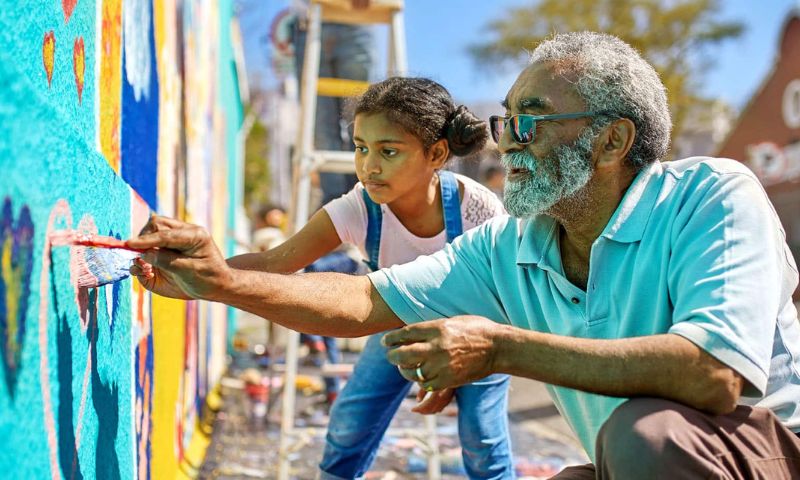



KEY POINTS
- A 20-year study of 30,000 adults found regular helpers had slower cognitive decline.
- Benefits were seen with just 2–4 hours per week, slowing brain aging by 15–20%.
- Informal help (e.g., assisting neighbours) was as effective as formal volunteering.
- Consistency matters—those who stopped helping saw greater decline over time.
AUSTIN, US: Research suggests that regularly dedicating just a few hours a week to helping others can effectively slow the clock on your brain’s aging process.
Researchers from the University of Texas at Austin and the University of Massachusetts Boston found that routinely helping those outside your own home can significantly slow down memory and thinking decline in adults over 50.
Scientists followed over 30,000 American adults for 20 years. They discovered that people who regularly helped others had slower memory and thinking decline. This was true for both formal volunteering, like at a food bank, and informal help, like assisting a neighbour.
The Right Amount of Help
“You don’t need to spend all your time helping; the best results came from helping for about two to four hours each week. People who did this had their brain aging slow down by 15-20% compared to those who didn’t help others,” lead researcher Dr. Sae Hwang Han said.
“The benefits build up over time,” the researcher said.
Small Acts Count
A key finding was that small, everyday help is just as good as organized volunteering. Things like driving a friend to a doctor, watching a grandchild, or helping with yard work all counted.
“This is great news because more than half of older adults already help in these ways,” said Dr. Han.
Keep Doing It
The study found that keeping up the helping habit year after year is important. People who stopped helping others saw more brain decline. Staying engaged is key.
“Finding ways for older adults to keep contributing is very important,” Dr. Han said.
Why It Matters
As more people live longer, keeping brains healthy is a major concern. Helping others fights loneliness and stress, which are bad for the brain. It also keeps people socially and mentally active.
“Helping isn’t just good for your community, it’s good for your brain,” Dr. Han concluded. “It’s a key part of healthy aging.”
The study was published in the journal Social Science & Medicine and funded by the National Institutes of Health.