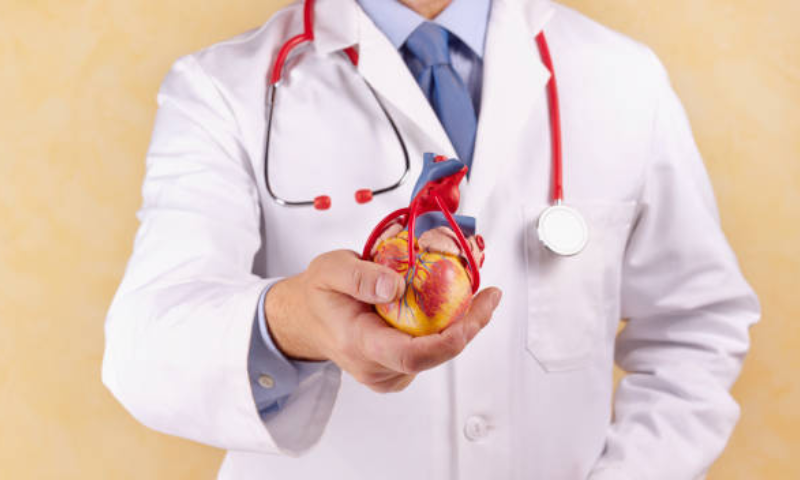



ISLAMBAD: Even if an electrocardiogram (ECG) appears normal, heart attacks and other serious cardiac events remain possible, experts warn. While an ECG is a key tool for assessing heart health, it cannot detect all forms of heart disease, and unusual symptoms should never be ignored.
Timely and thorough medical evaluation can be lifesaving, according to cardiologists.
Why Heart Attacks Can Be Missed
A heart attack occurs when the supply of blood and oxygen to the heart is suddenly blocked. Nearly half of heart attack–related deaths happen within hours of the first symptoms.
Although ECGs detect roughly 65 to 70 percent of heart attacks, mild or early-stage events may not appear on the test. Physicians often recommend additional investigations, including blood tests measuring cardiac troponin levels, treadmill stress tests, and CT coronary angiography, to ensure accurate diagnosis.
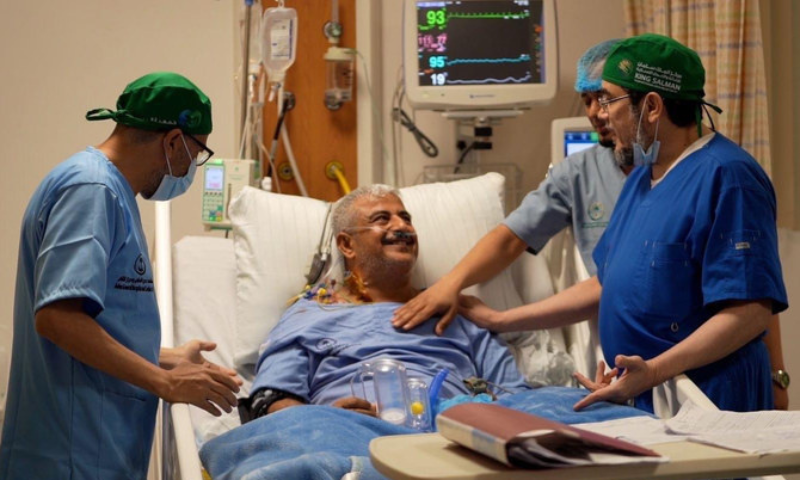
Symptoms and Warning Signs
Warning signs that warrant immediate medical attention include chest pain or a burning sensation, shortness of breath, pain in the back, shoulders, or throat, unusual fatigue, and symptoms such as anxiety, gas, or belching. These may appear days before a heart attack, making early recognition critical for prevention.
Lifestyle, Risk Factors, and Women’s Heart Health
Mental stress, sleep deprivation, overwork, smoking, alcohol consumption, poor diet, diabetes, high blood pressure, high cholesterol, and a family history of heart disease all increase risk.
Women have partial protection from heart disease during their reproductive years due to estrogen, but risk rises after menopause, particularly for those leading a sedentary lifestyle.
Cardiologists recommend daily exercise of 45 to 50 minutes, a balanced diet with adequate protein and low fat and carbohydrates, reducing abdominal fat, managing stress, and regularly monitoring key health metrics such as blood sugar, cholesterol, and blood pressure.