



Key Points
- Health experts urge caution, not panic
- WHO-linked flu strain already circulating
- Vaccination reduces severe illness risk
- No deaths reported in Pakistan so far
- Standard precautions remain effective
ISLAMABAD: Pakistani health authorities and infectious disease experts have reassured the public that while seasonal flu cases — often referred to as the so-called “super flu” — are on the rise, the situation does not warrant panic and can be managed with timely vaccination and standard preventive measures.
According to the World Health Organisation (WHO), the current global surge in influenza cases is mainly driven by influenza A(H3N2) and a genetically drifted variant known as subclade K. Although this strain has contributed to increased hospitalisations in parts of Europe, particularly the United Kingdom, WHO data indicate that it does not cause more severe disease than previous influenza strains.
The organisation has noted an early rise in flu activity in several countries but emphasised that vaccination remains one of the most effective tools to prevent serious illness and hospitalisation, especially among high-risk groups such as older adults, children, and people with chronic conditions.
Pakistan situation remains manageable
Health experts in Pakistan say local factors — including seasonal flu patterns and a relatively smaller elderly population — mean the overall impact is expected to be less severe, though caution is still advised.
Former Punjab health minister and Chairman of the Pakistan Society of Internal Medicine, Dr Javed Akram, said the virus has undergone genetic changes that may increase risks for vulnerable groups. He stressed that vaccination ahead of winter can significantly reduce infection risk and complications, adding that flu vaccines reduce the likelihood of illness by up to 70 per cent on average, according to Dawn.
Dr Rana Safdar, an expert in emerging infectious diseases and former head of Pakistan’s Covid-19 response, confirmed that Pakistan is currently in its peak flu transmission period. While younger people often drive community spread, he said serious complications mainly affect elderly individuals and those with underlying health conditions.
He also confirmed the presence of the H3N2 subclade K strain in Pakistan, noting that although it differs slightly from strains selected for upcoming vaccines, immunisation still provides strong protection against severe disease.
Vaccination and precautions strongly advised
Microbiologist Professor Javaid Usman highlighted that diagnosing flu based on symptoms alone is difficult due to the simultaneous circulation of multiple respiratory viruses, including RSV and Covid-19. He said the optimal time for vaccination is September to October, allowing sufficient time for immunity to develop.
National Institutes of Health Islamabad’s Chief of Public Health Laboratories Dr Muhammad Salman reiterated that seasonal influenza is widespread globally and locally, urging elderly and immunocompromised individuals to prioritise vaccination.
Urban centres see higher cases
In Punjab, medical experts have reported a noticeable rise in flu cases in major cities such as Lahore, Rawalpindi, Gujranwala and Faisalabad, largely due to crowding and close contact in markets, weddings and residential buildings. However, no deaths linked to the variant have been reported so far.
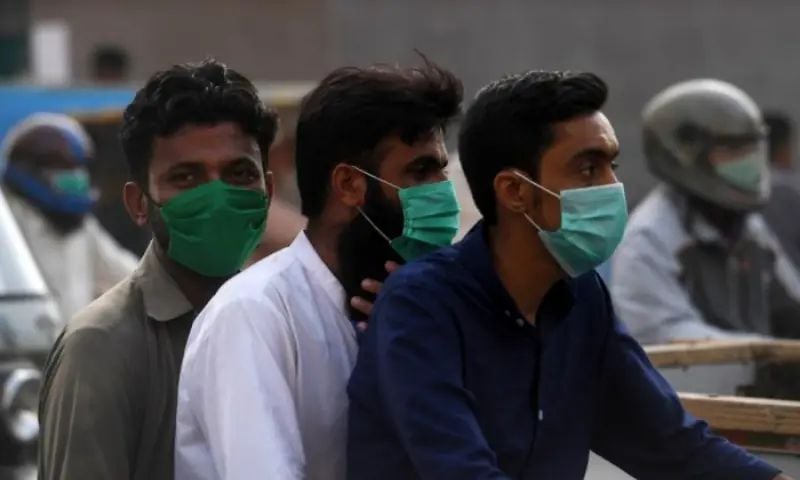
Senior physicians also advised that most flu patients recover with rest, hydration and supportive care. Antiviral medication such as oseltamivir may be used for high-risk patients but is not required for everyone. Experts cautioned against unnecessary antibiotic use and stressed the importance of masks, hand hygiene, ventilation and staying home when symptomatic.
Health professionals continue to emphasise that influenza remains a familiar, seasonal illness that evolves gradually each year. With vaccination, awareness and basic preventive measures, they say Pakistan is well-positioned to manage the current flu season without alarm.
Public health experts note that seasonal flu surges also place avoidable pressure on hospital emergency rooms, particularly in winter when respiratory illnesses peak. Simple actions — such as staying home when unwell, avoiding crowded indoor gatherings during outbreaks, and protecting elderly family members — can significantly slow transmission at the community level.
They further emphasise that improving flu vaccination uptake could reduce not only hospital admissions but also economic losses caused by missed workdays and school absences. Strengthening routine surveillance and timely public communication, experts say, will help Pakistan respond more effectively to future seasonal outbreaks and emerging variants without resorting to emergency measures.