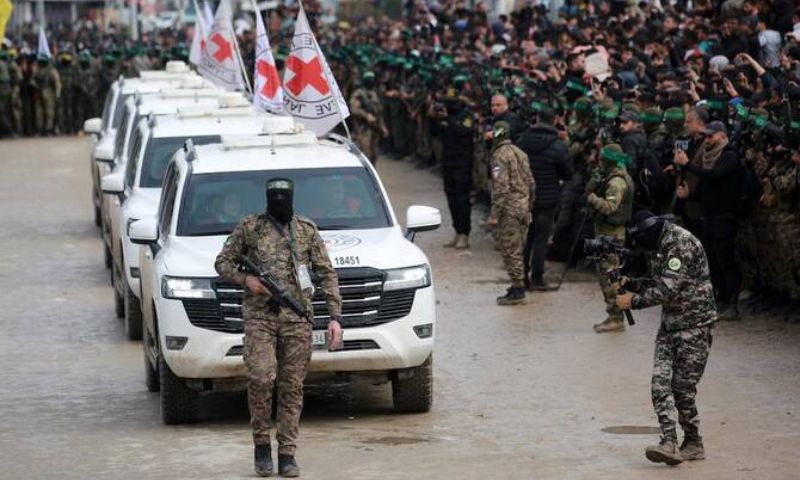



GAZA CITY / TEL AVIV / SHARM EL-SHEIKH: Hamas has handed over the first seven living Israeli hostages to the International Committee of the Red Cross (ICRC) as part of a U.S.-brokered ceasefire agreement, Israeli officials confirmed Monday. The transfers mark the start of a sweeping hostage-prisoner exchange designed to cement a fragile truce after two years of devastating war in Gaza.
Under the deal, 20 living Israeli captives and the bodies of 28 deceased hostages are to be released in exchange for nearly 2,000 Palestinian prisoners and detainees held by Israel.
How the Exchange Works
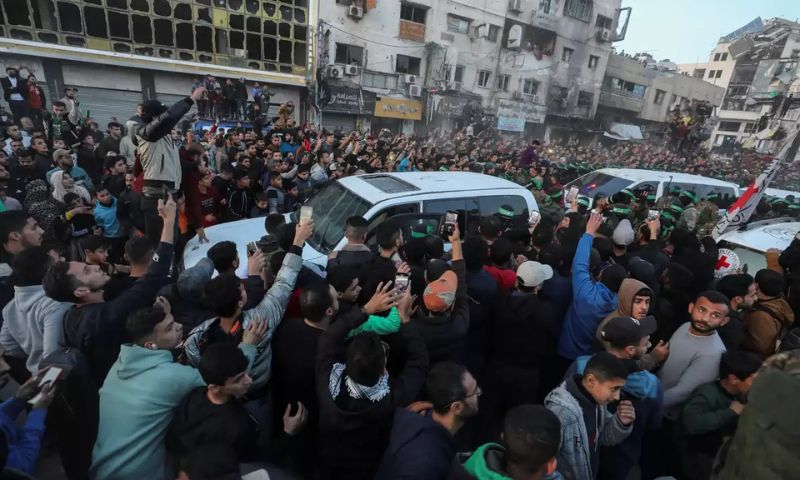
The ICRC is overseeing the operation, which began Monday morning in northern and southern Gaza. Hostages are being moved through designated corridors before being received by Israeli military personnel and transported to hospitals. They will later reunite with their families at the Re’im military base in southern Israel.
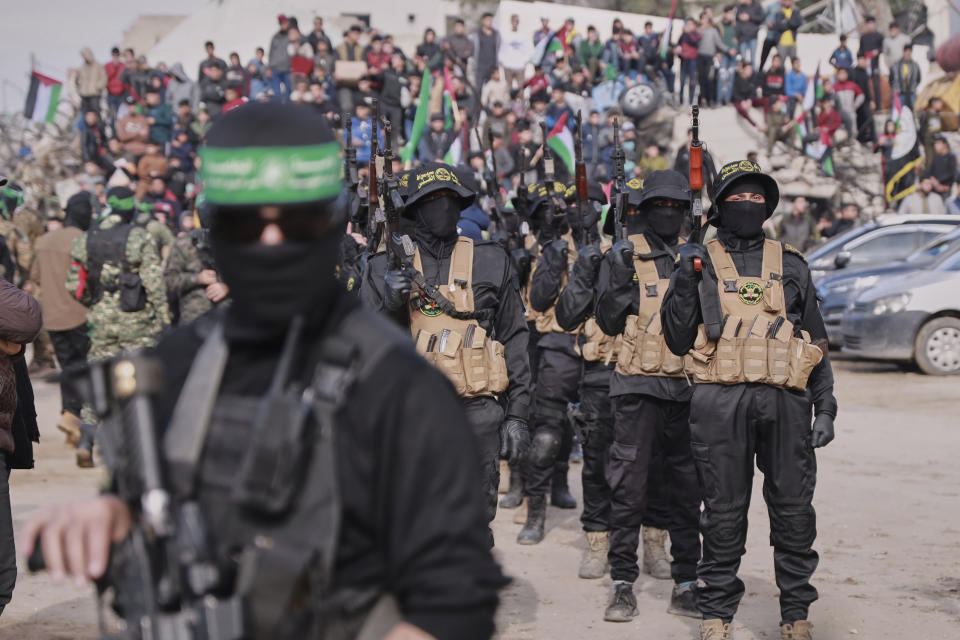
Hamas has opted for a quiet, ceremonial-free transfer, in contrast to past high-profile exchanges. Israel will begin releasing Palestinian prisoners once it confirms the safe return of all Israeli hostages.
The agreement — negotiated by the U.S., Egypt, and Qatar — represents the first phase of a broader peace plan that includes a sustained ceasefire, large-scale humanitarian aid, and future talks on Gaza’s post-war governance and Hamas’s disarmament.
According to the terms, Israel will free 250 Palestinians serving life sentences and about 1,700 detainees rounded up in Gaza since October 2023, many of whom have not been charged.
Global Reaction and Symbolic Gestures
As the exchange began, the office of Israeli President Isaac Herzog announced that U.S. President Donald Trump will receive Israel’s highest civilian honor, the Israeli Presidential Medal of Honor, for his role in brokering the ceasefire and securing the release of captives.
World leaders have also rallied behind the peace agreement. A major international gathering — dubbed the “Summit for Peace” — is underway in Sharm el-Sheikh, Egypt, co-chaired by Trump and Egyptian President Abdel Fattah el-Sisi.
Leaders from Turkey, Jordan, Britain, Germany, France, Italy, and representatives of the United Nations and European Union are attending the summit, which aims to consolidate the ceasefire and chart Gaza’s reconstruction.
The truce, in effect since October 10, has allowed a major influx of humanitarian aid into Gaza, though UN officials warn that food, medicine, and clean water remain critically scarce.
Subsequent negotiation rounds — including discussions over Hamas’s future role, security arrangements, and governance of Gaza — are expected to follow but are likely to face intense political and logistical challenges.