


Key Points:
- International airport reinforces Gwadar as strategic trade and transit hub.
- It supports regional integration with China’s western provinces and Central Asia.
- NGIA is capable of handling wide-body aircraft, including Airbus A-380.
- It is expected to serve over 400,000 passengers annually.
- The facility is expected to boost economic activity, employment, and infrastructure development in Balochistan.
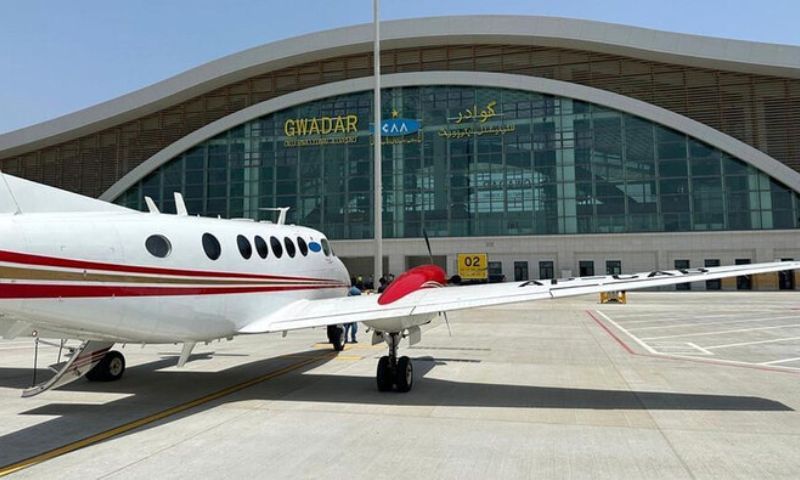
ISLAMABAD: The New Gwadar International Airport (NGIA) in south-western Balochistan province is a key gateway, boosting Pakistan’s access to global markets and reinforcing Gwadar’s role as a strategic trade and transit hub.
The NGIA, spanning over 4,300 acres, is Pakistan’s second-largest airport and is capable of handling a wide range of aircraft, including ATR-72, Boeing 737, Boeing 747, and Airbus A-380.
The project was funded primarily through a $246 million grant from China as a flagship project of the China-Pakistan Economic Corridor (CPEC).
Its expansion marks a critical milestone in Gwadar’s transformation into a regional hub for trade, connectivity, and investment.
The successful landing of PIA flight PK-503 from Karachi in 2025 formally inaugurated NGIA’s commercial operations, symbolising a new phase of growth for Balochistan.
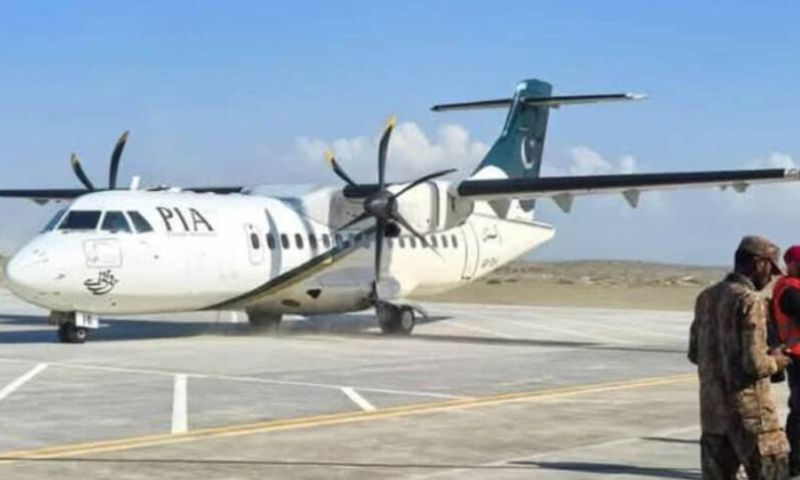
The airport replaced the old Gwadar facility (OPGD), which was permanently closed to civilian traffic on January 20, 2025.
The facility is expected to serve over 400,000 passengers annually, enhancing connectivity and boosting the region’s aviation capabilities.
As airline traffic increases and international interest grows, NGIA is set to accelerate economic activity, generate employment, and strengthen critical infrastructure across the province.
By enhancing Pakistan’s access to global markets, the airport further consolidates Gwadar’s role as a strategic trade and transit node.
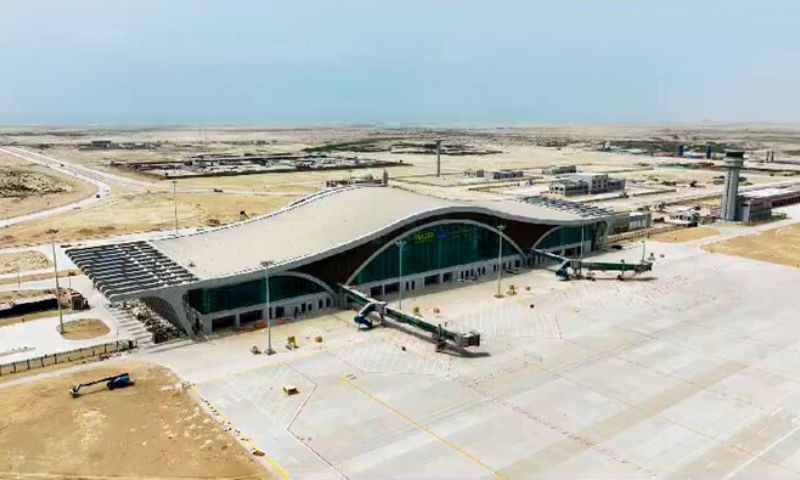
Gwadar is not merely a development project; it is a cornerstone of Pakistan’s economic sovereignty and geopolitical influence.
Geographically, it is better positioned for regional integration. Gwadar also provides seamless access to Pakistan’s hinterland, China’s western provinces, and Central Asia—all under Islamabad’s jurisdiction.
Economically, Gwadar directly benefits Pakistan by creating employment, boosting revenue, and spurring industrial growth.
This rapid progress also explains why hostile forces, particularly Fitna-e-Hindustan and their local agents, remain opposed to development in Balochistan.
The state refers Fitna al Hindustan to the banned Indian backed terrorist groups involved in terrorist activities in Balochistan province.
Their agenda is not rights or welfare, but deliberate obstruction of progress, aiming to keep the local population deprived of modern infrastructure, economic opportunity, and an uplifted lifestyle.
NGIA stands as a direct rebuttal to that agenda development, integration, and prosperity over chaos and deprivation.