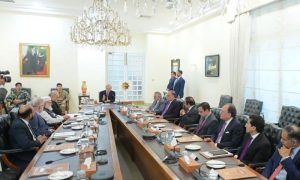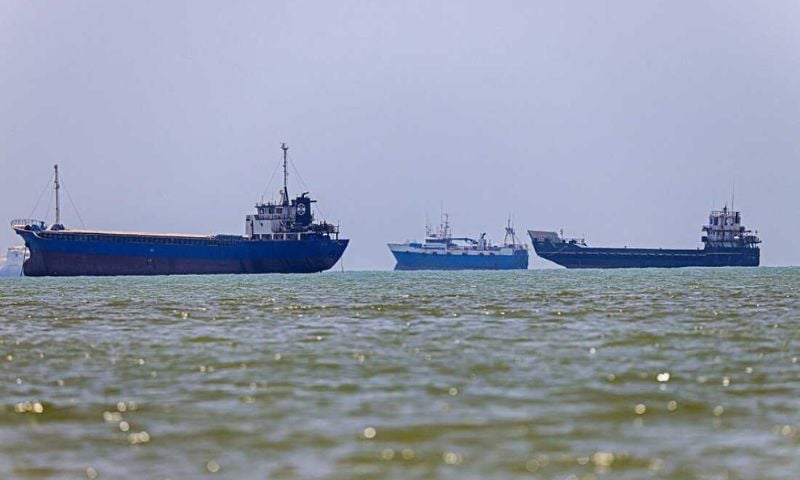
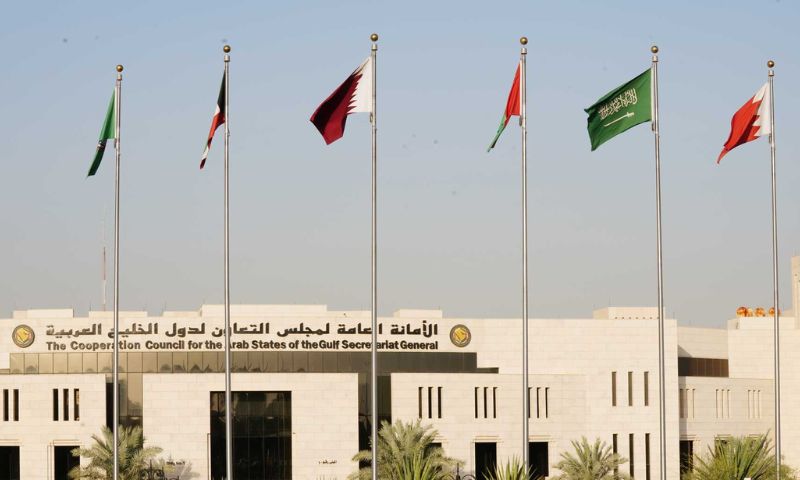
DOHA: Foreign ministers of the Gulf Cooperation Council (GCC) held a virtual meeting on Tuesday to discuss strengthening coordination on regional developments and addressing concerns related to the freedom and safety of navigation in the strategically important Strait of Hormuz.
The ministers exchanged views on recent regional developments and ongoing diplomatic efforts aimed at reaching practical understandings to reduce tensions and enhance security and stability in the Gulf region, according to a statement issued by Qatar’s Foreign Ministry.
Gulf ministers stress safe passage and international law
The meeting focused on ways to enhance cooperation among GCC member states regarding maritime security, particularly ensuring freedom of navigation, safe passage and transit rights through the Strait of Hormuz.
Prime Minister and Minister of Foreign Affairs @MBA_AlThani_ Participates in GCC Foreign Ministers’ Consultative Meeting
Doha | July 28, 2026
HE Prime Minister and Minister of Foreign Affairs Sheikh Mohammed bin Abdulrahman bin Jassim Al-Thani participated on Tuesday in a… pic.twitter.com/WZGsBDM6Zt
— Ministry of Foreign Affairs – Qatar (@MofaQatar_EN) July 28, 2026
The Strait of Hormuz, located between Iran and Oman, is one of the world’s most important maritime chokepoints, carrying about 20 per cent of global oil consumption and serving as the principal export route for oil producers in the Gulf region.
The Qatari Foreign Ministry said the ministers emphasised the importance of maintaining the uninterrupted movement of commercial vessels, trade flows and essential supplies in accordance with international law.
They also reaffirmed the need to respect and preserve the sovereign rights of all Gulf littoral states.
GCC backs diplomatic solutions to ease tensions
Oman’s Foreign Ministry said the ministers highlighted the importance of prioritizing political and diplomatic approaches to address regional challenges.
📸 | عقد معالي السيد بدر بن حمد بن حمود البوسعيدي @badralbusaidi وزير الخارجية، لقاءً تشاورياً مع أصحاب السمو والمعالي وزراء خارجية دول مجلس التعاون لدول الخليج العربية، اليوم عبر الاتصال المرئي.
وتبادل أصحاب السمو والمعالي الوزراء الرؤى حول تطورات المرحلة الراهنة، ومستجدات… pic.twitter.com/oUUzRBAlBE
— وزارة الخارجية (@FMofOman) July 28, 2026
The ministers called for confidence-building measures and efforts to create conditions conducive to reaching solutions acceptable to all parties, stressing dialogue as the most effective path toward lasting regional security.
Strait of Hormuz tensions ease after US-Iran escalation
A cautious calm has returned to the region since Friday after the United States and Iran halted military actions following a 13-day escalation that began on July 11.
During the confrontation, the United States carried out strikes inside Iran, while Tehran responded with attacks targeting what it described as US military facilities and equipment in several Arab countries.
The escalation came despite a memorandum of understanding signed by Washington and Tehran in June, which called for an end to hostilities and the beginning of negotiations aimed at reaching a broader agreement.
سمو وزير الخارجية الأمير #فيصل_بن_فرحان @FaisalbinFarhan يشارك – عبر الاتصال المرئي – في لقاء تشاوري مع أصحاب السمو والمعالي وزراء خارجية دول مجلس التعاون لدول الخليج العربية. pic.twitter.com/WPoe9f3GLa
— وزارة الخارجية 🇸🇦 (@KSAMOFA) July 28, 2026
US calls for freedom of navigation
US President Donald Trump announced a ceasefire with Iran following attacks on vessels in the Strait of Hormuz, which Washington attributed to Tehran.
The United States has called on Iran to halt attacks on commercial shipping and guarantee freedom of navigation through the vital waterway, a key route for global energy supplies.
Iran, however, has maintained that maritime traffic in waters close to its coastline should be managed through a mechanism under its supervision.
Trump confirms ‘good talks’ with Iran
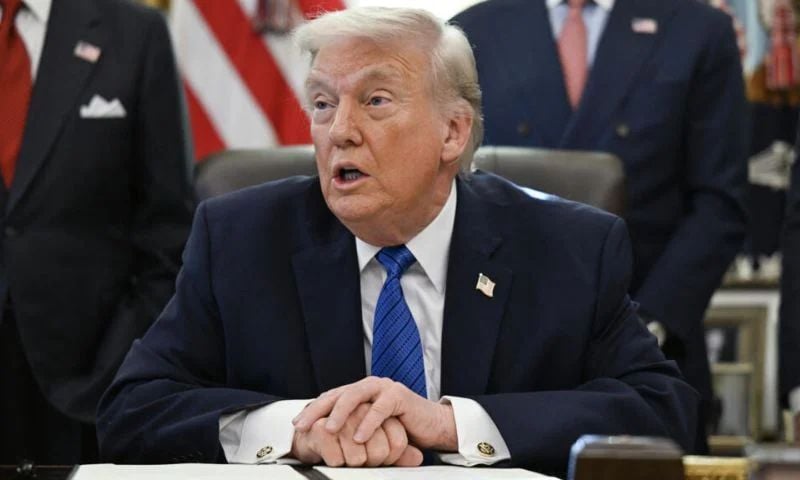
US President Donald Trump on Tuesday confirmed that the United States has held “good talks” with Iran to produce a peace agreement as mediators Pakistan and Qatar intensified diplomatic efforts to permanently end the conflict through dialogue and diplomacy.
Also Read: Trump Confirms ‘Good Talks’ with Iran as Mediators Push for De-Escalation
Speaking in an interview with Fox News, US President Donald Trump said the United States had held “good talks” with Iran but accused Tehran of publicly denying the negotiations even while discussions were underway.
“For some reason we can be in the midst of a beautiful discussion, and they’ll come out and say we’re not talking or we didn’t discuss nuclear. Well, that’s all we discussed because they’ll never have a nuclear weapon. They understand that,” Trump said.
Trump warned that the United States would resume military strikes against Iran if the negotiations failed to produce an agreement, saying Washington remained prepared to use force to prevent Tehran from acquiring a nuclear weapon.