
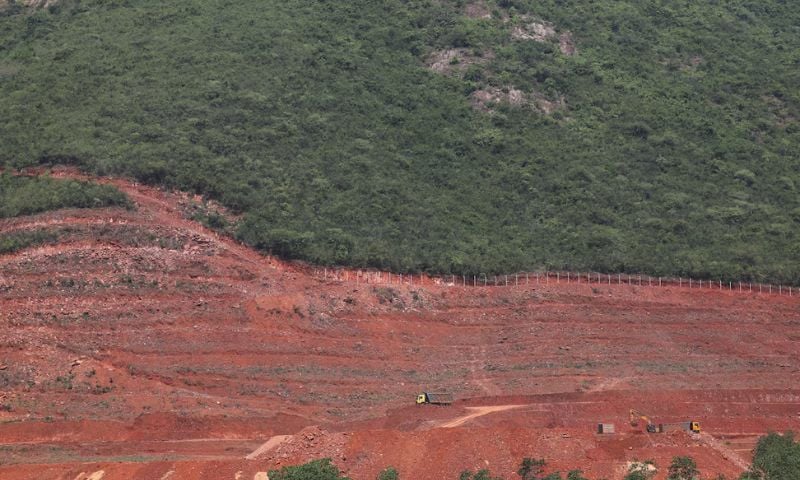



VISAKHAPATNAM: Google’s planned $15 billion data centre hub in southern India is facing environmental concerns over its potential impact on water supplies and nearby wildlife as construction work on the project moves ahead.
The development in Visakhapatnam, Andhra Pradesh, is Google’s largest-ever investment in India and is being built in partnership with Indian billionaire Gautam Adani’s group.
Environmental groups have raised concerns about the project’s water requirements in a city where supplies are already under pressure. Government figures show Visakhapatnam receives around 410 million litres of water daily against a requirement of 480 million litres.
Activists have staged demonstrations and are planning further awareness campaigns over the development.
Legal challenges
The Andhra Pradesh High Court has asked the state government to respond to claims by activist group Jal Biradari that the project could put additional pressure on local water resources. The case is scheduled to be heard again on August 24.
ALSO READ: Chinese AI Model Kimi K3 Breaks Out of Cybersecurity Test Environment
Other legal challenges have raised concerns about construction noise and the project’s proximity to Kambalakonda Wildlife Sanctuary, which is home to species including leopards and pangolins.
The Andhra Pradesh government has rejected claims that environmental risks were overlooked, describing some concerns as incorrect and misleading while saying it remains open to legitimate feedback.
Google said the project would comply with applicable laws and use advanced air-cooling technology to protect local water resources. It also plans sound-dampening measures to limit noise.
The state government said water intended for rural or residential use would not be diverted to the data centres.
The project is expected to create up to 188,000 jobs, making it a major technology investment for the region despite continuing environmental scrutiny.