


Key Points:
- Germany calls for China’s inclusion in future arms control agreements
- New START treaty expiry raises global nuclear restraint concerns
- US backs broader arms control framework involving China
SYDNEY: Germany has stepped forward with a renewed call for global cooperation on arms control, urging China to play an active role in future agreements following the expiry of the last remaining US-Russian nuclear treaty.
The appeal underscores a growing international consensus on the importance of dialogue, restraint, and shared responsibility in maintaining global security.
Speaking in Canberra during an official visit to Australia, German Foreign Minister Johann Wadephul emphasized that the conclusion of the New START treaty on February 5 highlights both the challenges and opportunities facing the international community.
According to AFP, the treaty, which capped the number of strategic nuclear launchers held by the United States and Russia, has long been seen as a cornerstone of global arms control.
“Any armaments control treaty that expires must be cause for concern for us,” Wadephul told reporters. “It shows how large the task is when it comes to building new trust in the world that can be a basis for new agreements.”
Campaigners and diplomats alike see this moment as a critical juncture—one that could either spark renewed competition or inspire broader, more inclusive frameworks for cooperation. Germany is firmly backing the latter path, stressing that future arms control efforts should reflect today’s global realities.
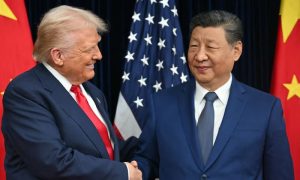
Wadephul made clear that China’s involvement would be essential to any meaningful progress. “China has to be included,” he said, noting Beijing’s frequent emphasis on multilateralism.
“They also have to show in the field of arms control that they are ready to show restraint and that they invest trust in international relations.” The call aligns with recent comments from the United States.
US Secretary of State Marco Rubio reiterated Washington’s support for a new agreement that brings China into the fold, describing such inclusion as vital for effective arms control in the 21st century.
“The president’s been clear in the past that in order to have true arms control in the 21st century, it’s impossible to do something that doesn’t include China,” Rubio said, pointing to China’s rapidly expanding nuclear capabilities.
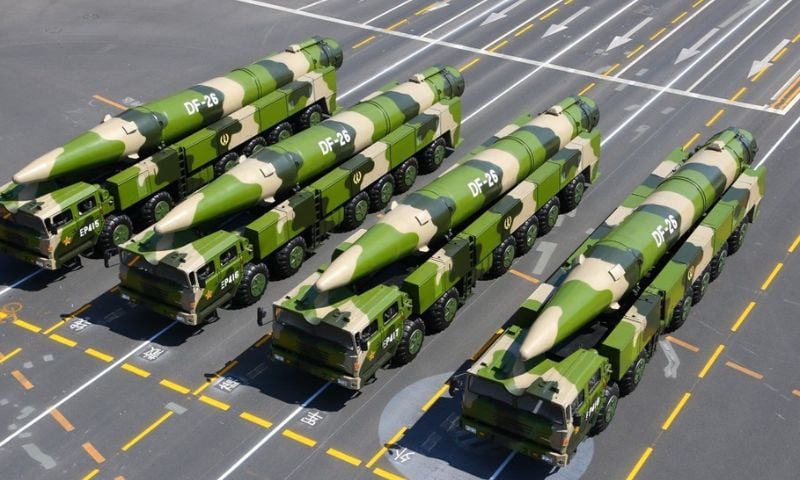
While China’s nuclear arsenal is growing, analysts estimate it currently has around 550 strategic nuclear launchers—still significantly fewer than the 800 each held by the United States and Russia under the former New START limits. France and Britain, both treaty-bound US allies, collectively account for about another 100.
As diplomatic voices converge on the need for broader participation and renewed trust, Germany’s message reflects cautious optimism that the next chapter of arms control can be more inclusive, cooperative, and stabilizing for the global order.