


Key Points
- GCC and UK hold emergency meeting over Iran attacks.
- Ministers condemn Iranian strikes on GCC states and Jordan.
- 136 UN members show solidarity with GCC countries.
- GCC, UK reaffirm strategic partnership and security cooperation.
- Ministers stress freedom of navigation in Strait of Hormuz.
- GCC says its territories will not be used to launch attacks on Iran.
- GCC reiterates commitment to neutrality in attacks on Iran.
- Bloc emphasizes dialogue and diplomacy to resolve crisis.
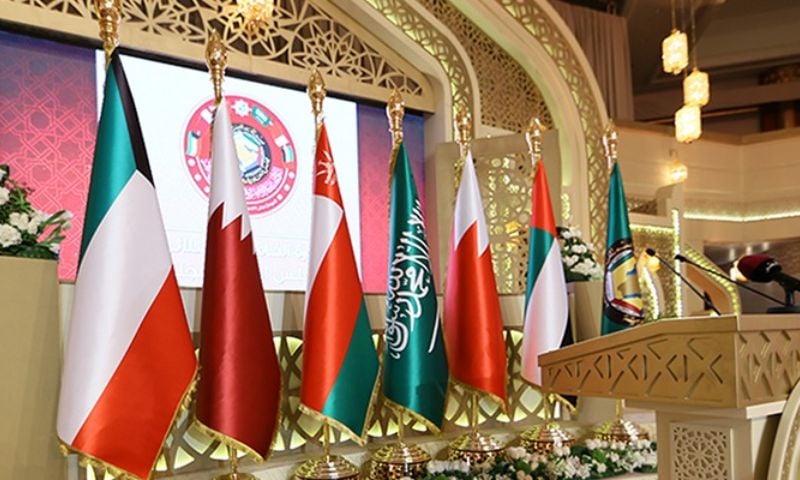
RIYADH: Foreign ministers from the Gulf Cooperation Council (GCC) and the United Kingdom convened an extraordinary meeting on March 12, 2026, to address the escalating tensions in the Middle East and what they described as Iranian attacks against GCC member states and Jordan, the Saudi Press Agency (SPA) reported on Sunday.
The meeting brought together senior officials from both sides to discuss regional security developments and coordinate diplomatic responses to the situation.
The GCC delegation was led by Bahrain’s Minister of Foreign Affairs Dr. Abdullatif bin Rashid Al Zayani, who currently chairs the GCC Ministerial Council, while the United Kingdom was represented by Foreign Secretary Yvette Cooper.
Foreign ministers from GCC member states and GCC Secretary-General Jasem Albudaiwi also participated.
During the discussions, the ministers reaffirmed the importance of the GCC-UK strategic partnership, which was established following the GCC-UK Summit held in Bahrain in November 2016.
Both sides welcomed the progress made in negotiations toward a GCC-UK Free Trade Agreement (FTA) and expressed hope that the agreement would be finalized in the near future.
The meeting also welcomed the adoption of United Nations Security Council Resolution 2817 (2026), which strongly condemned attacks attributed to Iran against the territories of GCC countries and Jordan.
The resolution described the incidents as violations of international law and a serious threat to global peace and security.
Ministers noted that the attacks had reportedly targeted civilian infrastructure, including residential areas, oil facilities and public service installations, resulting in casualties and damage to buildings.
They highlighted the broad international backing for the resolution, noting that 136 UN member states co-sponsored it, signaling strong global support for the GCC and Jordan.
Participants thanked the United Kingdom for its solidarity and longstanding commitment to the security, stability and territorial integrity of GCC countries.
The ministers also emphasized the need to protect civilians and ensure full adherence to international humanitarian law and the principles of the United Nations Charter.
The council reiterated longstanding concerns regarding Iran’s nuclear and ballistic missile programs, as well as activities they described as destabilizing in the region, including the use of proxy groups and interference in the affairs of neighboring states.
GCC rules out use of its territory for attacks on Iran
GCC ministers highlighted diplomatic initiatives undertaken prior to the recent escalation and reiterated their commitment that GCC territories would not be used to launch attacks against Iran.
At the same time, they reaffirmed the right of GCC states to defend themselves under Article 51 of the UN Charter, which recognizes the right to self-defense in response to armed attacks.
Both sides agreed to strengthen joint diplomatic efforts aimed at preventing nuclear proliferation, halting the development and spread of ballistic missiles and drones, and promoting long-term regional stability.
The ministers also stressed the importance of protecting regional airspace, maritime routes and global supply chains, particularly the freedom of navigation through strategic waterways such as the Strait of Hormuz and the Bab el-Mandeb.
They warned that any threats to these routes could disrupt global energy markets and international trade.
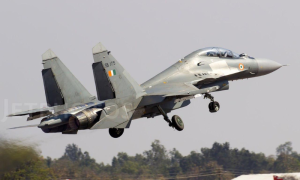
Officials further acknowledged the United Kingdom’s role in enhancing regional security, including the deployment of Royal Air Force Typhoon fighter jets to support defensive operations in the region.
The UK delegation also expressed appreciation to GCC member states for their cooperation and support extended to British nationals living in the Gulf.
The meeting concluded with a renewed commitment from both sides to pursue diplomacy and dialogue to reduce tensions and restore stability across the Middle East.