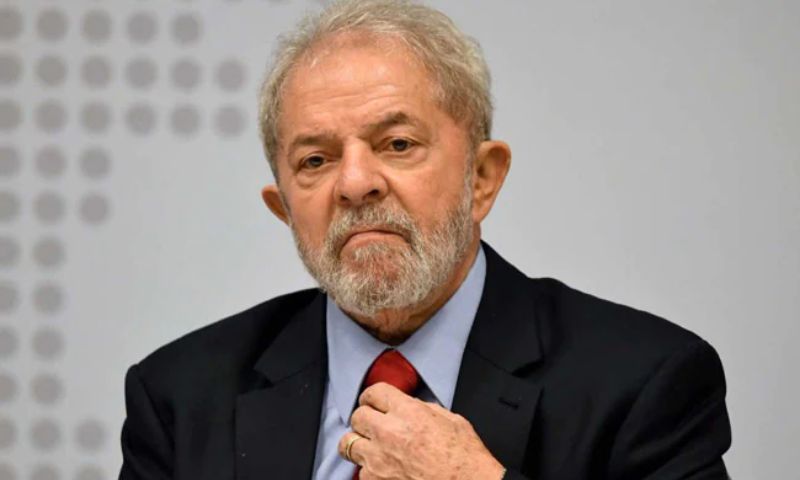



NEW DELHI: In a compelling address to world leaders at the G20 Summit held in New Delhi, Brazilian President Luiz Inacio Lula da Silva delivered a sobering message about the dire state of our planet’s climate.
He emphasized that the Earth is currently facing an “unprecedented climate emergency,” underscoring the urgent need for global action.
Lula’s statement comes at a critical juncture, as G20 leaders gather during what is likely one of the hottest years in recorded human history. Despite these alarming conditions, there are growing concerns that the divided G20 nations may struggle to reach a consensus on ambitious climate actions.
The stakes are exceptionally high, as any failure to unite and take meaningful steps toward addressing the climate crisis could significantly impact the upcoming COP28 climate talks scheduled to commence in November in the United Arab Emirates. These talks represent a crucial opportunity for the international community to solidify commitments and implement concrete measures to combat climate change.
One of the glaring issues raised by President Lula is the lack of commitment to environmental protection, which he argued has directly contributed to the escalating climate emergency. He pointed out that the world is witnessing a disturbing increase in the frequency and severity of climate-related disasters, including droughts, floods, storms, and wildfires. These catastrophic events are not only affecting vulnerable communities but also threatening global stability and economic prosperity.
The urgency of the situation is further underscored by the failure of G20 energy ministers to address the role of coal in their final statement during their meeting in July. This glaring omission, along with the absence of progress on renewable energy goals, has cast a shadow of doubt over the G20’s ability to effectively tackle climate change.
The G20 countries collectively represent a staggering 85 percent of global GDP and are responsible for a similar proportion of global climate-warming emissions. As such, their actions—or lack thereof—have far-reaching consequences for the fate of our planet. The G20 remains a pivotal forum where significant strides in climate action can be achieved, but this hinges on the willingness of its member nations to set aside their differences and prioritize the environment.