


Key Points
- Finance Minister Muhammad Aurangzeb highlights macroeconomic turnaround
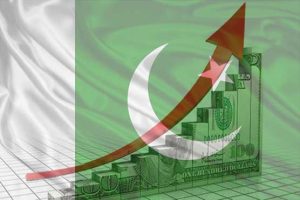
- Inflation falls to single digits; reserves exceed $14.5 billion
- Export-led growth strategy prioritises IT, textiles, agriculture
- Structural reforms, privatisation and tariff liberalisation drive competitiveness
- Climate resilience, education and social inclusion integral to long-term growth
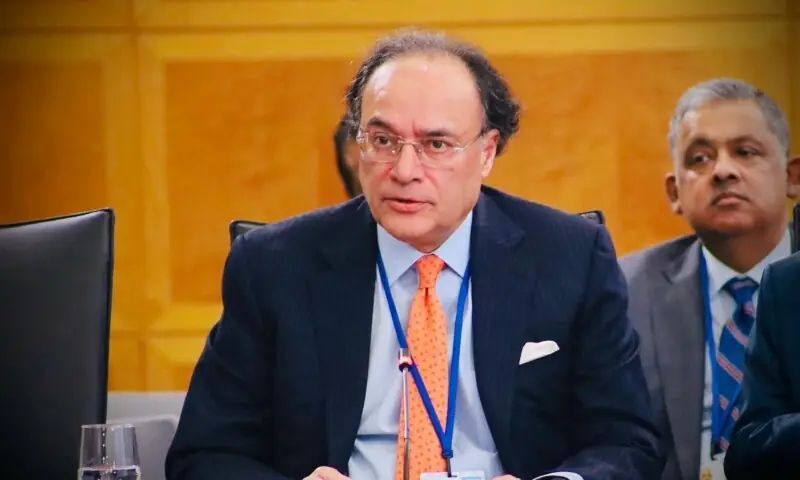
ISLAMABAD: Pakistan has reached a critical turning point, with macroeconomic stability, sustained reforms and policy continuity restoring confidence in the economy, Finance Minister Muhammad Aurangzeb told USA Today in a wide-ranging interview published as part of a 16-page Special Report on Pakistan.
He said the government is shifting the economy from stabilisation to export-led growth, opening new horizons for domestic and global investors, and positioning Pakistan for sustainable, long-term economic development.
“Macroeconomic stabilisation, easing inflation and improved external balances have enabled us to drive export-led, productivity-based growth through structural reforms,” Aurangzeb said in the USA Today Special Report. He emphasised that Pakistan has achieved both a primary fiscal surplus and a current account surplus, while strong remittance inflows and stable exchange rates are helping restore investor confidence.
The Minister outlined that the country is consciously moving away from a consumption- and debt-driven model toward an export-led strategy. “Structural reforms in taxation, energy pricing and state-owned enterprises, alongside far-reaching tariff reforms, are enhancing global competitiveness,” he said.
Highlighting key sectors, Aurangzeb noted that IT exports have already crossed $4 billion and could double within five years with continued regulatory clarity and infrastructure support. Textiles and agricultural exports are also being prioritised, with government efforts to simplify tax regimes and reduce bureaucratic hurdles to boost productivity and competitiveness.
On structural reforms, the Finance Minister pointed to privatisation of state-owned enterprises, tariff liberalisation, and energy sector restructuring as measures to address long-standing inefficiencies. He echoed the World Bank’s view of Pakistan’s potential “East Asia moment” and referenced the ten-year Country Partnership Framework, which emphasises economic reform alongside climate resilience and population management.
Aurangzeb further highlighted social and climate challenges as central to long-term economic sustainability. Population growth, climate change, child stunting, learning poverty, and girls’ education are critical issues, while increasing women’s participation in education and the workforce is both a social and economic imperative. The government is also working with multilateral partners to strengthen preparedness against floods and droughts.
Inviting global investors, the Minister pointed to opportunities in agriculture, minerals, mining, and the emerging digital economy, including AI and data services. He stressed that updated regulatory frameworks are designed to support innovation and encourage foreign investment, particularly from the United States.
“Pakistan is transitioning from a narrative of crisis management to one of opportunity and transformation,” Aurangzeb told USA Today. “We offer promising prospects for those willing to engage with a market on the cusp of sustainable growth.”