



KEY POINTS
- Jos Buttler remains England’s most reliable big-game T20 batter.
- Abhishek Sharma has become India’s most explosive Powerplay hitter.
- Dewald Brevis offers South Africa fearless, high-speed strokeplay.
- Shai Hope will be central to West Indies’ hopes as captain and anchor.
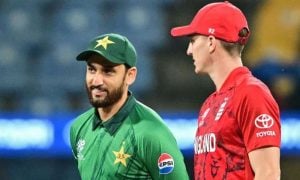
- Salman Ali Agha enters the tournament as Pakistan’s in-form leader at No. 3.
ISLAMABAD: As the tenth edition of the ICC Men’s T20 World Cup prepares to launch on Saturday, February 7, in India and Sri Lanka, a thrilling month of cricket awaits until the final on March 8.
With the global spectacle set to unfold, the fastest format’s evolution hinges on explosive starts. WE News English examines five premier batters poised to dominate and define the tournament’s narrative through sheer firepower and tactical brilliance.
Jos Buttler (England): Still England’s most dangerous card
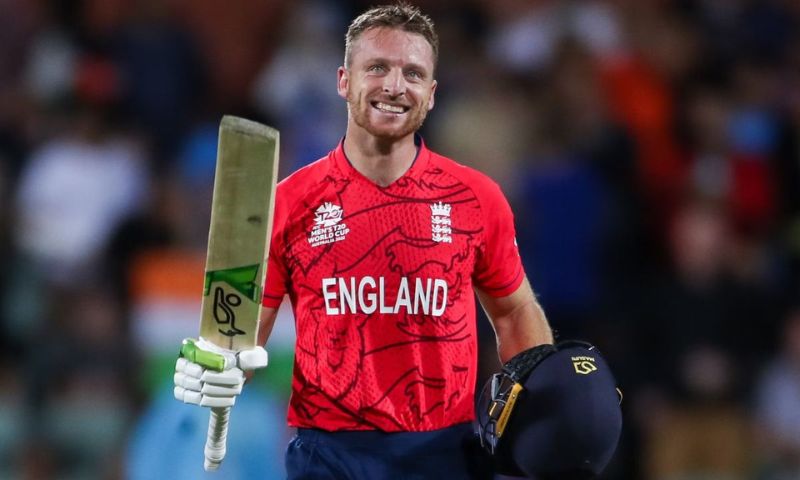
Even without the captain’s armband, Jos Buttler remains the heartbeat of England’s T20 batting. Few players have proven themselves as consistently in World Cups, and his record in the competition places him among the most productive run-scorers in tournament history.
What keeps Buttler so valuable is his flexibility. He can explode from ball one at the top, but he can also pace an innings when a chase requires calm control. England’s batting plans often revolve around how long he stays at the crease — because once he settles, he can dismantle any attack in a matter of overs.
At 35, Buttler is no longer a new-generation star. He is a fully-formed T20 specialist: experienced, adaptable, and still capable of match-winning destruction.
Abhishek Sharma (India): A powerplay hitter built for home conditions
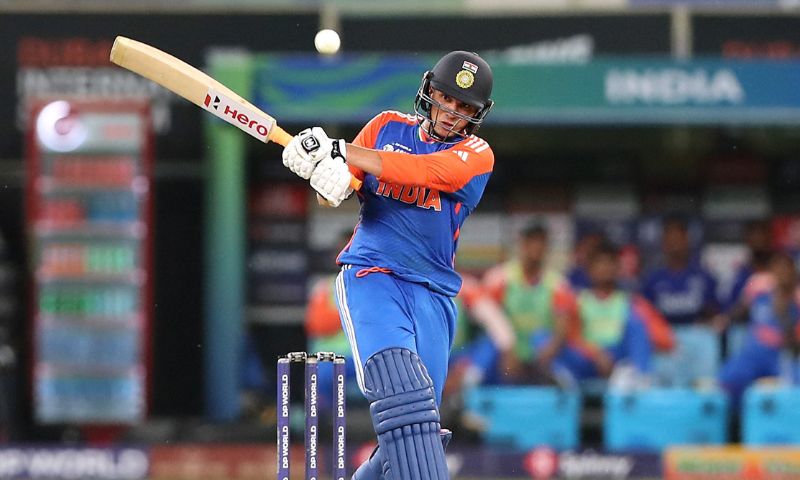
India’s rise in recent T20 cycles has been driven by players who attack early, and Abhishek Sharma has quickly become the most feared among them.
Currently sitting at the top of the ICC T20I batting rankings, the 25-year-old left-hander has turned the Powerplay into his personal scoring zone. His clean striking and fearless approach allow India to start at a pace that many sides struggle to match.
Several former greats have already tipped him as a potential leading run-getter at the tournament. If he strings together a few confident innings, Sharma has the kind of momentum-building style that can carry an entire campaign, especially in home conditions where India will expect to dominate.
Dewald Brevis (South Africa): A batter who plays at a different speed
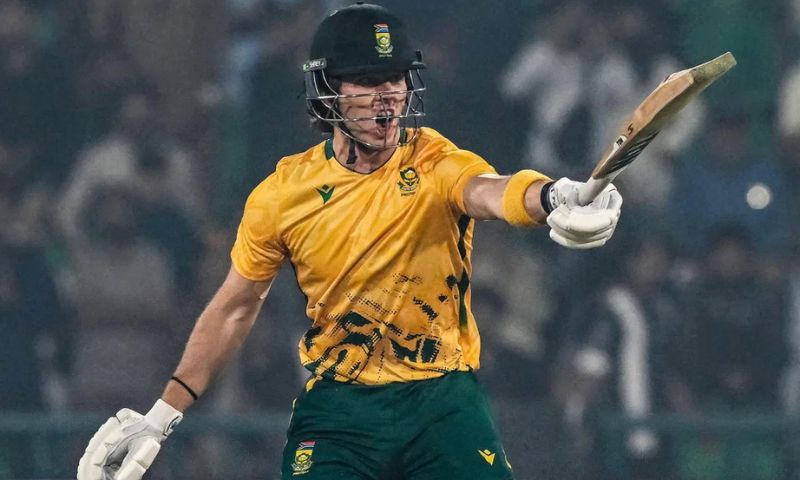
South Africa’s most exciting young T20 talent remains Dewald Brevis, a player whose batting often feels designed for highlight reels.
Known to fans as “Baby AB,” Brevis combines timing with power in a way that makes his innings unpredictable, for bowlers, and sometimes even for fielding captains. His strike rate in T20 internationals is already among the most explosive seen at this level, and his boundary-hitting frequency reflects a player who rarely takes a backward step.
One of his standout performances, an unbeaten 125 off 56 balls in Australia, underlined what he is capable of when he gets going. While he is still early in his international career, Brevis has already shown that big occasions do not intimidate him.
If South Africa are going to make a serious run, they will need his aggression to fire at the right time.
Shai Hope (West Indies): Captain, anchor, and finishing threat
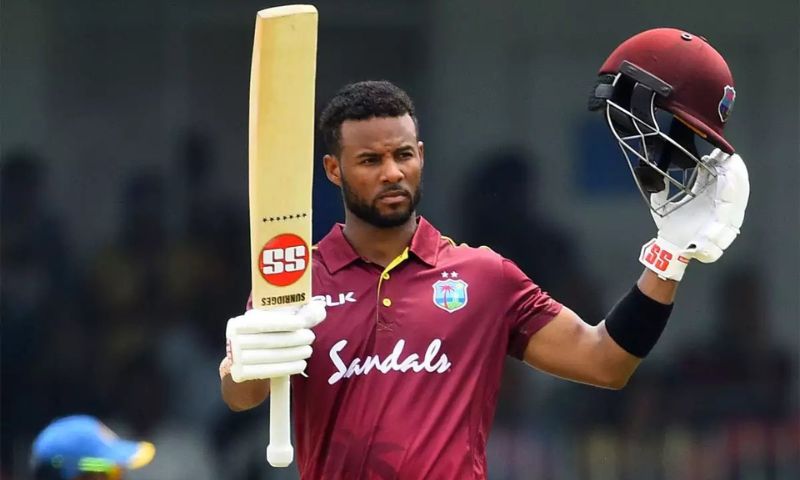
The West Indies carry a proud T20 history, and in 2026, their hopes will be heavily tied to the form of Shai Hope.
As captain, Hope has to do more than score runs, he has to set the tone for the entire batting group. His game is built around balance: he looks classical at the crease, but he is capable of accelerating quickly without appearing reckless.
Operating at a strike rate around 140, Hope often gives the West Indies stability while still keeping the run rate competitive. His biggest opportunity in this World Cup will be to turn that consistency into one defining tournament, particularly on pitches in India and Sri Lanka, where calm decision-making can be just as valuable as brute force.
Salman Ali Agha (Pakistan): The leader in form at No. 3
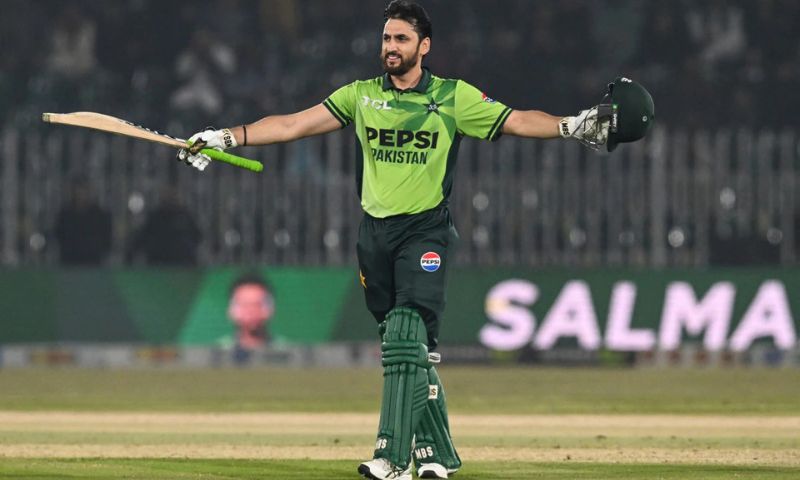
Pakistan’s campaign may depend greatly on Salman Ali Agha, who enters the World Cup as captain and as the batter expected to control the crucial No. 3 position.
His recent performances — including a Player of the Series display against Australia — suggest he is arriving in excellent rhythm. The challenge for Salman will be managing two roles at once: leading Pakistan tactically while also adapting his batting approach based on match situations.
At No. 3, he may be required to attack early if wickets fall, or to build an innings if Pakistan lose momentum. His technical stability gives him the tools to do both, but the World Cup will test whether he can deliver consistently under the pressure of leadership.
If Pakistan are to contend for the title, Salman’s runs could be as important as his decision-making.
T20 World Cups often become defined by a handful of batters who seize form at the right moment. Whether through experience, fearless power, or the responsibility of captaincy, these five players have the tools to shape the tournament’s biggest matches.
If they hit their peak in February and March, the T20 World Cup 2026 could become their stage.