


Key Points
• Syrian-Palestinian director accuses Germany of complicity in Gaza war
• Reports claim Berlinale festival chief faced possible dismissal
• Hundreds of filmmakers defend artistic freedom
• Debate reflects wider tensions in Germany over Israel policy
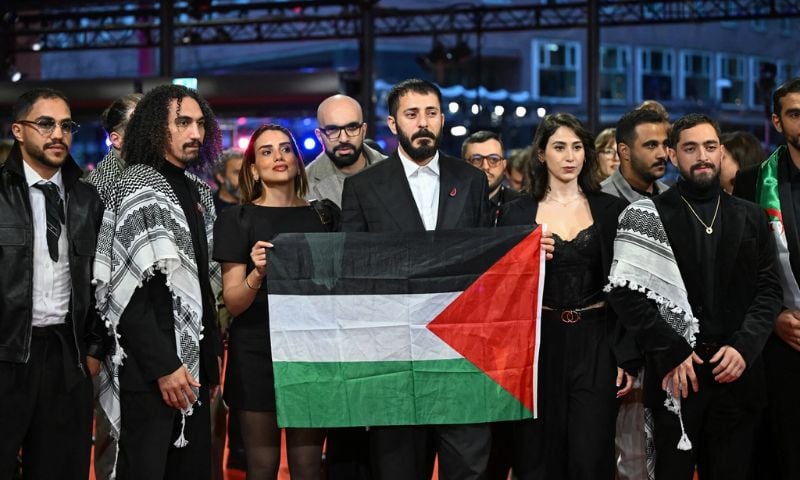
ISLAMABAD: Europe’s leading showbiz event has entailed a heated political confrontation after filmmakers from around the world rallied to defend the head of the Berlin International Film Festival, whose job was in danger over a pro-Palestine speech at the closing ceremony.
The dispute erupted when Syrian-Palestinian filmmaker Abdallah Al-Khatib used the awards stage to accuse Germany of being complicit in what he described as genocide in Gaza through its political backing of Israel.
His remarks drew sharp criticism from segments of Germany’s pro-Israel political establishment and triggered reports that festival director Tricia Tuttle could face dismissal.
According to AFP, the state-backed body overseeing the Berlinale convened an emergency meeting after tabloid reports claimed Tuttle’s position was under review.
However, officials later described the discussions as “constructive and open” and gave no confirmation of her removal.
In response, hundreds of filmmakers, actors and cultural figures signed an open letter defending the Berlinale as a vital space for artistic expression and political dialogue.
Prominent names from international cinema warned that punishing festival leadership over a filmmaker’s speech would set a dangerous precedent for cultural institutions across Europe.
Supporters argued that film festivals exist to amplify diverse perspectives, especially from communities experiencing conflict and occupation.
They stressed that silencing Palestinian voices or disciplining organisers for hosting them would undermine freedom of expression and damage Germany’s reputation as a champion of democratic values.
The controversy has once again exposed Germany’s sensitive political landscape regarding Israel and Palestine.
Berlin has long maintained firm diplomatic support for Israel, rooted in historical responsibility over the Holocaust.
Critics say that stance has led to a narrower public space for outspoken solidarity with Palestinians compared with many other countries.
The 76th edition of the Berlinale had already faced tension before the closing ceremony.
Dozens of film professionals had earlier criticised what they described as the festival’s reluctance to address the humanitarian crisis in Gaza.
Some artists accused European cultural institutions of marginalising voices that speak openly about Palestinian suffering.
Germany’s environment minister reportedly walked out during Al-Khatib’s speech, calling his remarks unacceptable.
Conservative lawmakers demanded accountability and suggested leadership changes at the festival.
Yet writers’ associations and artist groups countered that political speech at cultural events falls under protected freedom of expression.
They warned that removing the festival chief under political pressure would inflict lasting harm on Germany’s cultural credibility.
As the debate continues, the Berlinale stands at the centre of a broader global reckoning over art, politics and solidarity.
For many in the international film community, the issue transcends a speech or a festival.
It represents a test of whether cultural platforms will remain open to voices speaking against war, occupation and human rights violations, including those endured by Palestinians in Gaza.