


ISLAMABAD: Pakistan on Saturday dismissed the latest claim of the so called Ministry of Defence of Afghan Taliban Regime regarding capturing some posts and inflicting major losses.
The ministry of Information in a post on X said that the claims are false, fabricated, and clearly designed to mislead Afghan domestic audiences—many of whom are already enduring severe hardships under the regime’s rule.
It noted the claims being circulated by Taliban outlets lack any credible or verifiable evidence. Independent observers and media sources have not substantiated the alleged captures or damages.
Historically, similar announcements by Taliban propaganda channels have repeatedly proven inaccurate once subjected to verification and fact-checking.
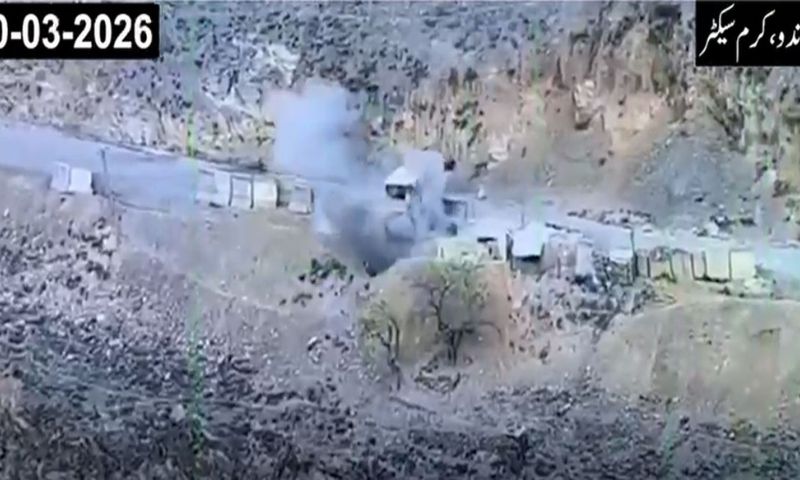
The Ministry of Information and Broadcasting (MOIB) said that it systematically documents and regularly updates damages and losses inflicted on terrorist elements.
It said applicable, video and pictorial evidence is shared with the media to ensure transparency and public accountability.
This approach reflects a deliberate effort to provide credible, timely, and evidence-based information regarding ongoing targeted operations against terrorist networks and their support infrastructure operating inside areas under the Afghan Taliban regime, the ministry said.
🔎 Fact Check | Ministry of Information & Broadcasting
◼️ This latest claim of the so called Ministry of Defence of Afghan Taliban Regime regarding capturing some post and made up damages etc is false as always, fabricated and designed to mislead Afghan internal public opinion,… pic.twitter.com/bjmsdskN7q
— Fact Checker MoIB (@FactCheckerMoIB) March 14, 2026
Security officials note that significant losses have been incurred by the “Master Proxy” Afghan Taliban and their extension, Fitna Al Khawarij during these operations. Updates related to these developments continue to be released through official channels to maintain factual clarity.
The statement further added, the Taliban’s narrative appears to rely heavily on an amplification cycle driven by terrorist propaganda outlets and segments of Indian media and social media networks. Outside this echo chamber, no independent or credible evidence exists to support the repeated claims being circulated.
It said past experience shows that such statements frequently collapse under scrutiny once fact-checked, further reinforcing concerns that these claims are part of a coordinated propaganda effort rather than an accurate account of events.
Given the pattern of misinformation, analysts emphasise the importance of relying on verified information, documented evidence, and responsible media reporting rather than unsubstantiated claims designed to manipulate public perception.