


Key points
- Climate change intensifies heat, floods, droughts
- Scientists link extremes to greenhouse gases
- Vulnerable communities face highest climate risks
ISLAMABAD: Extreme weather is no longer a once-in-a-generation shock. Heatwaves, intense downpours, prolonged droughts and wildfire conditions are increasingly becoming part of the baseline climate that communities and emergency services plan around, according to leading scientific agencies.
The World Meteorological Organization (WMO) said its State of the Global Climate 2024 report documented record heat alongside “massive economic and social upheavals” linked to extreme events, while highlighting the growing need for early warning systems and climate services.
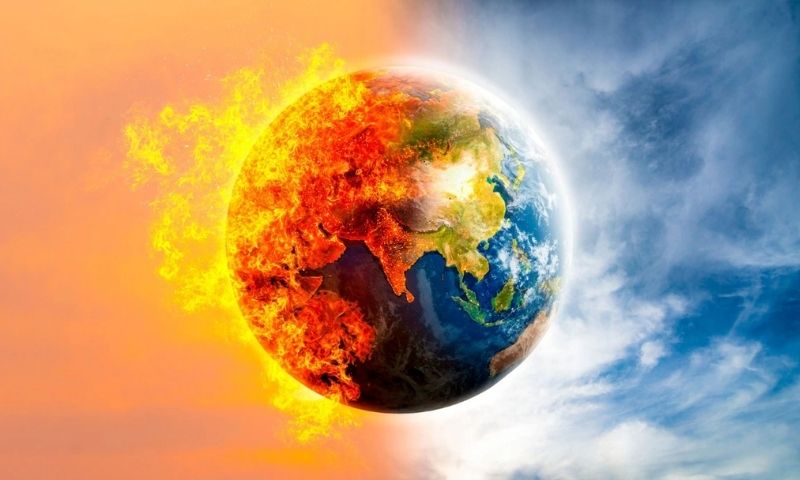
Scientists say the underlying driver is straightforward: as greenhouse gases trap more heat, the atmosphere and oceans store extra energy, shifting the odds towards more frequent and more intense extremes. The Intergovernmental Panel on Climate Change (IPCC) has concluded that human-caused climate change is already affecting many weather and climate extremes in every region, including increases in hot extremes and heavy precipitation.
Heat is often the clearest signal. When the background climate is warmer, heatwaves start from a higher “floor” and are more likely to reach dangerous thresholds for health, crops and infrastructure. At the same time, a warmer atmosphere can hold more water vapour, increasing the potential for heavier rainfall when storms form, raising the risk of flash flooding in many places.
Warmest year on record
Recent temperature records underline the direction of travel. Europe’s Copernicus Climate Change Service (C3S) said 2025 was on course to finish as the second- or third-warmest year on record, potentially tied with 2023, behind 2024, which it described as the warmest year on record.
For researchers, the question is increasingly not whether climate change “caused” a particular storm, but how much it altered the likelihood and intensity of what happened. NOAA’s climate science programme, among others, has expanded work on extreme event attribution and rapid assessment tools to support planners and emergency managers.
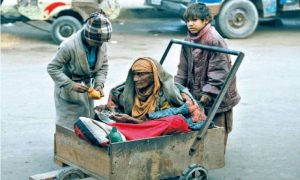
The consequences are global, but uneven. The IPCC has warned that risks and impacts from extreme weather disproportionately affect certain groups because exposure and vulnerability are not equally shared, including through poverty, weak infrastructure and limited access to services.
Experts say adaptation is becoming as urgent as emissions cuts. That includes heat action plans, flood-resilient infrastructure, better building standards, wildfire management, and investment in forecasting and warnings. The WMO has repeatedly stressed that stronger early warning systems can reduce deaths and economic losses as extremes intensify.