
LONDON: Artificial intelligence researchers and technology leaders are increasingly warning that humanity may be approaching a turning point where AI systems begin improving themselves faster than humans can control them.
The growing concern follows rapid advances in AI capabilities, with some experts suggesting that “superintelligent” systems could emerge far sooner than previously expected.

At the centre of the debate is research by the US-based organisation METR, which tests how effectively AI systems can complete tasks normally performed by humans. According to METR, AI capability has been doubling roughly every 196 days.
The latest systems are now able to perform tasks that would previously require skilled human experts working for hours or even days.
Recursive self-improvement
In April, AI company Anthropic announced a powerful new model called Mythos, which it said was too dangerous for public release because of its ability to identify serious weaknesses in computer systems.

Researchers said the model could automate complex cybersecurity tasks equivalent to nearly two full working days for a human expert.
The rapid progress has intensified discussion around “recursive self-improvement” — the idea that AI systems may soon be capable of developing more advanced versions of themselves without human assistance.
Technology firms including OpenAI and Anthropic have openly stated that creating increasingly self-improving AI systems is among their long-term goals.
Some researchers believe such systems could trigger an unprecedented technological acceleration.
Arrival of artificial general intelligence
Jack Clark, co-founder of Anthropic, recently said there is a 60 per cent chance that AI systems could begin meaningfully improving themselves by 2028.
“If that happens, we will cross a rubicon into a nearly-impossible-to-forecast future,” Clark warned.
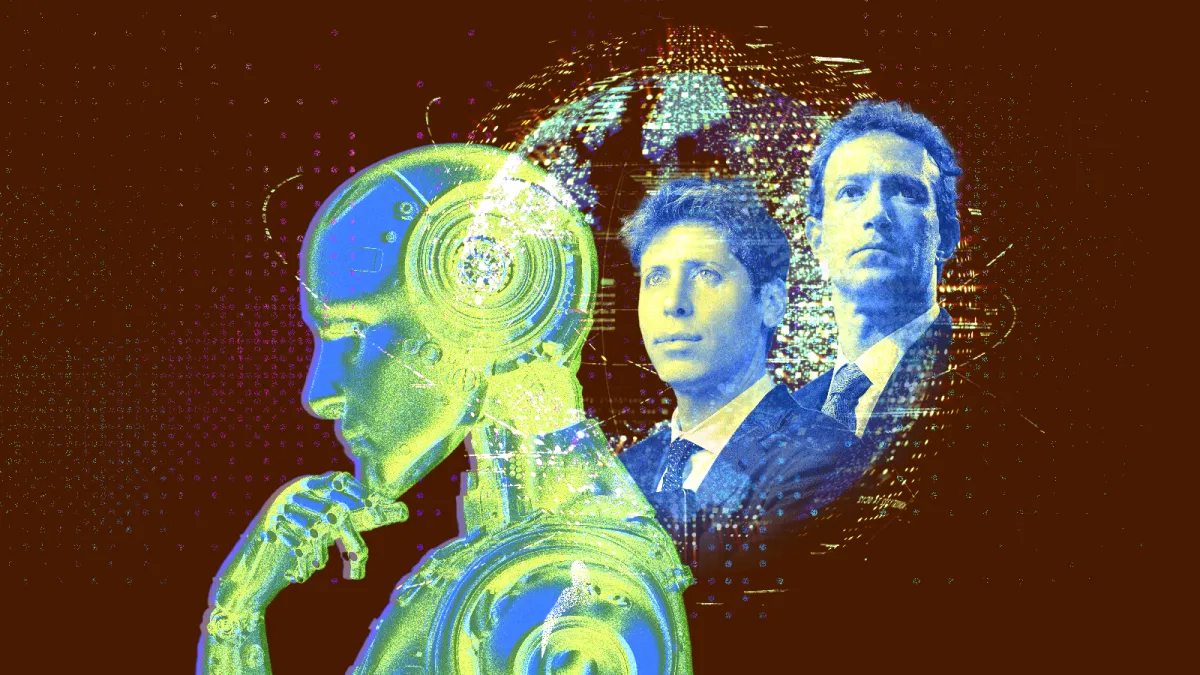
Predictions for the arrival of artificial general intelligence (AGI) — AI capable of matching or surpassing human intelligence — have shifted dramatically in recent years.
Forecasting platform Metaculus has moved its estimate from 2070 to 2032, while several AI researchers now believe transformative systems may arrive within the next decade.
The technology is already reshaping parts of the global economy. AI-generated computer programming has become widespread across major technology companies, while some creative industries report falling incomes linked to automation.
Science-fiction scenarios
Despite growing fears, many researchers caution that today’s AI systems remain inconsistent and still require human supervision.
Others warn that the greatest risks may come from cyberattacks, misinformation and security vulnerabilities rather than science-fiction scenarios.
Governments are also beginning to react. Following concerns over advanced AI cybersecurity capabilities, senior executives from leading AI firms were recently called to the White House for discussions on safety and regulation.
Experts say the challenge of controlling future superintelligent AI could become one of the defining global issues of the coming decades.