


Key Points
- The decision follows widespread international concern over the suppression of protests in Iran and reports of significant loss of life
- Listing allows EU states to impose travel bans, asset freezes, and other restrictive measures on individuals and entities linked to the IRGC
- EU action reflects a diplomatic and financial response to rights violations while maintaining broader engagement channels with Tehran
ISLAMABAD: The European Union is preparing to add Iran’s Islamic Revolutionary Guard Corps (IRGC) to its list of organisations subject to restrictive measures, following a notable policy shift by France and support from Germany, Italy, and other member states.
The measure, expected to be approved by EU foreign ministers, responds to international concern over the Guard’s role in suppressing recent mass protests in Iran and the wider implications of its activities, according to the Financial Times.
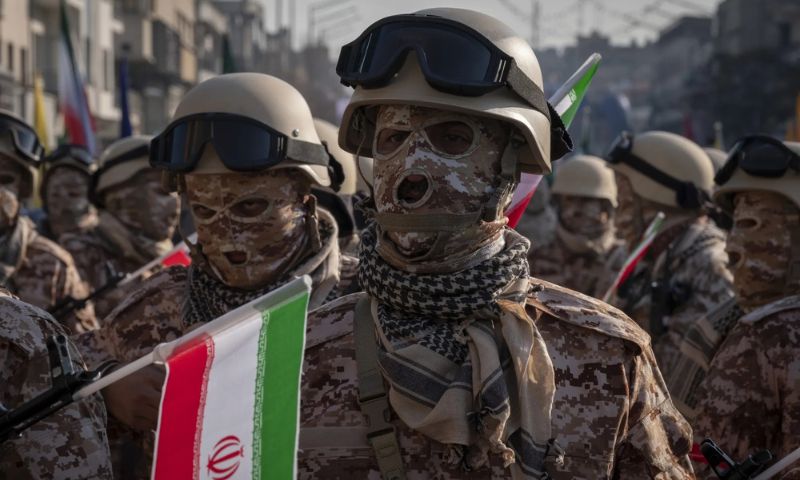
The IRGC, established after Iran’s 1979 revolution, is a key institution within the country’s security and defence framework, overseeing units of the armed forces and contributing to the nation’s strategic programmes.
It also operates extensive economic and logistical networks within Iran, according to Al-Monitor.
France’s shift and European consensus
Previously, France had hesitated to support the EU listing, citing concerns about diplomatic channels with Tehran and the safety of European citizens detained in Iran. French Foreign Minister Jean-Noël Barrot announced that Paris would now back the proposal, emphasising that recent events in Iran “cannot go unanswered.”
With France’s reversal, the EU consensus has strengthened, making adoption of the measure likely, according to Anadolu Agency.
Italy has also formally urged the EU to adopt the move, highlighting the importance of a unified response to the reported crackdown on demonstrations, Reuters reported.
Implications of the listing
If adopted, the IRGC’s inclusion on the EU sanctions list would allow member states to extend existing restrictions, including travel bans and freezing assets held in the EU financial system by individuals or entities linked to the Guard.
The EU’s sanctions regime operates independently of UN sanctions and aims to restrict economic and financial interactions with designated organisations, according to the EU Council’s official statements.
EU officials have indicated that the step is largely symbolic, adding a political statement to existing EU sanctions. However, it would signal a stronger stance against actions that have raised international concern.
EU foreign policy chief Kaja Kallas said those acting in ways that meet the bloc’s criteria for listed status should face appropriate consequences, Al-Monitor notes.
Protests and international response
International rights organisations report that protests in Iran, sparked by economic and political grievances, have been met with forceful responses by security services, resulting in several deaths and mass detentions.
European capitals and other international actors have expressed concern and discussed appropriate diplomatic and financial responses, according to an AP report.
Iranian authorities have warned that such steps could hinder diplomatic engagement and have summoned ambassadors from several EU states to voice concerns over what Tehran calls “ill-considered policies,” Reuters reports.
The EU’s planned action occurs amid an already complex relationship with Tehran, marked by ongoing negotiations on regional and security issues. Officials note that listing a state institution on the sanctions register is unusual but reflects an effort to express political and economic disapproval of actions viewed as inconsistent with international norms, according to Al-Monitor.