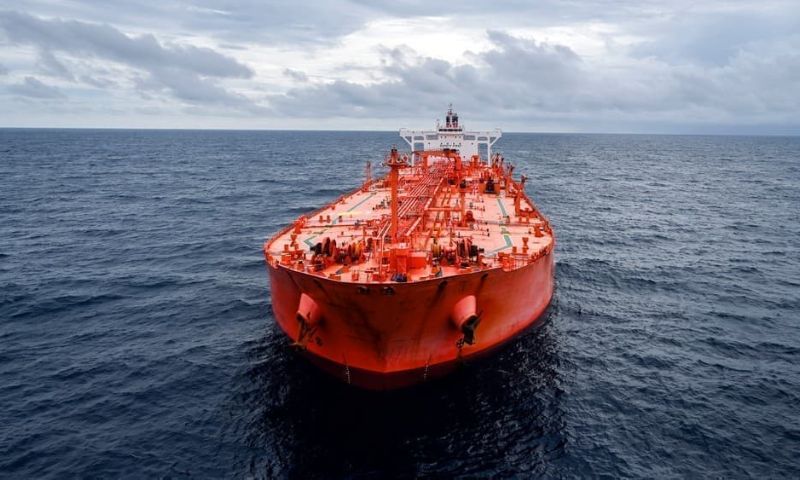
BRUSSELS: The European Union (EU) on Thursday approved its 21st package of sanctions against Russia over the war in Ukraine, ending weeks of negotiations by agreeing to maintain the existing $44 per barrel price cap on Russian crude exports for the next 12 months.
The agreement, reached by ambassadors from the EU’s 27 member states, prevents the oil price cap from automatically rising amid recent increases in global energy prices driven by the conflict in the Middle East. EU officials believe the measure will continue to restrict Moscow’s oil revenues while limiting disruption to international energy markets.
European Council President Antonio Costa said the latest sanctions focus on sectors considered most critical to Russia’s ability to sustain its war effort.
“Our 21st sanctions package targets the sectors with the highest impact: energy, financial services, crypto, and trade,” Costa said in a post on social media, reaffirming the bloc’s commitment to supporting Ukraine and pursuing a just and lasting peace.
The sanctions package also introduces fresh restrictions on Russia’s financial sector and cryptocurrency-related businesses, while adding dozens of Russian officials and individuals to the EU’s sanctions blacklist over their involvement in the conflict.
The breakthrough came after Greece secured an exemption allowing its shipping companies to continue transporting Russian liquefied natural gas (LNG) from Arctic projects, resolving one of the final obstacles to the agreement. Several other proposed measures, however, were either diluted or dropped during negotiations.
Diplomats said plans for a broad visa ban targeting Russians who had fought in Ukraine failed to gain unanimous backing. Instead, EU member states agreed only to continue discussions on introducing such a measure in the future.
Bulgaria also succeeded in blocking a proposal to impose asset freezes and travel restrictions on Russian Orthodox Patriarch Kirill. Meanwhile, Portugal and France opposed a proposal to prohibit imports of Russian cod and Alaskan pollock, leading to its removal from the final package.
The sanctions come at a time when European leaders believe Ukraine has regained military momentum after years of intense fighting. European Commission President Ursula von der Leyen said the latest measures are designed to further weaken Russia’s capacity to finance its military campaign.
“At a time when Ukraine has built military momentum, our sanctions continue to weaken the economic foundations of Russia’s war effort,” she said.
Although Russia has adapted to years of Western economic restrictions and continued its military operations, EU officials maintain that the cumulative impact of successive sanctions is placing increasing pressure on the Russian economy.
Diplomats, however, acknowledged that after 21 rounds of sanctions since Russia’s full-scale invasion of Ukraine in 2022, it is becoming progressively more difficult for all member states to agree on new punitive measures.