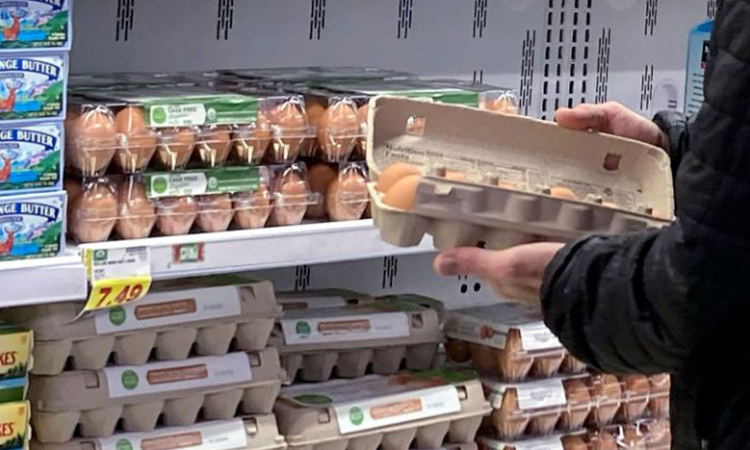



ISLAMABAD/Hong Kong: Eggs soared in cost around the globe over the previous year as avian flu decimated chicken flocks and fallout from the Russia-Ukraine war raised the prices of energy and animal feed.
In the US, egg prices have far surpassed the rise in other grocery items, soaring nearly 60 per cent in the 12 months to December compared to the previous year. Japan wholesale prices reached a record.
In New Zealand, which consumes more eggs per person than most nations, the squeeze has been exacerbated by the change in farming regulations. And rising costs sparked a frenzy, with the people hunting for hens online so they could secure their supplies of the pantry staple.
On Tuesday, famous local auction site, Trade Me, said that searches for chickens, and equipment related to caring for them, had spiked 190 per cent this month, compared to the same period a month ago.
Egg shortage in market
Silvester, a spokesperson for the company, said that since the start of the new year, they have seen over 65,000 online searches for chickens and other chicken-related items such as feeders, food, and coops.
“All the people are now trying to buy chickens for the house because they can’t get eggs,” said Ron van Til, the bakery owner near the city of Christchurch, who had had to adjust how he makes his muffins and cakes.
Van Til said that his sister was selling “four brands of fresh chicken” on auction via Trade Me, fetching over double the usual price.
A trend has prompted animal welfare advocates to warn against making impulse buys.
Gabby Clezy Chief Executive Officer of the Society for the Prevention of Cruelty to Animals in New Zealand, said that “Chickens live for a long time,” and “They live from eight to ten years, sometimes even longer, depending on the breed.”
New Zealand’s eggs shortage has been linked to a long-anticipated change in the farming law, which took effect on January this year.
According to the SPCA, the law prohibits the production of an egg from chickens kept in conventional or “battery cages,” typical cramped metal spaces do not provide adequate welfare for hens.
That’s why in 2012, the government announced the ban on such facilities.
But “a ten-year transition period away from conventional cages was introduced, to allow eggs producers time to shift farming practices,” a representative for New Zealand’s Ministry of Primary Industries Peter Hyde said when asked about the current eggs shortage.
“Eggs producers had the option to move to colony cages, and free-range systems,” added Peter, the ministry’s acting national manager of animal welfare and national animal identification and tracking compliance.
Peter said over the last 18 months, the ministry had “been in regular contact with the operators and visited farms needing to transition.”