


Key points
- Deep winter dryness entrenched since late September after unusually extended monsoon
- Pakistan Meteorological Department (PMD) indicates cold and dry conditions persisting across most regions
- Isolated light rain or snow may appear soon in northern mountains
- No widespread rain system in the immediate outlook, raising concern over health, crops and water supply
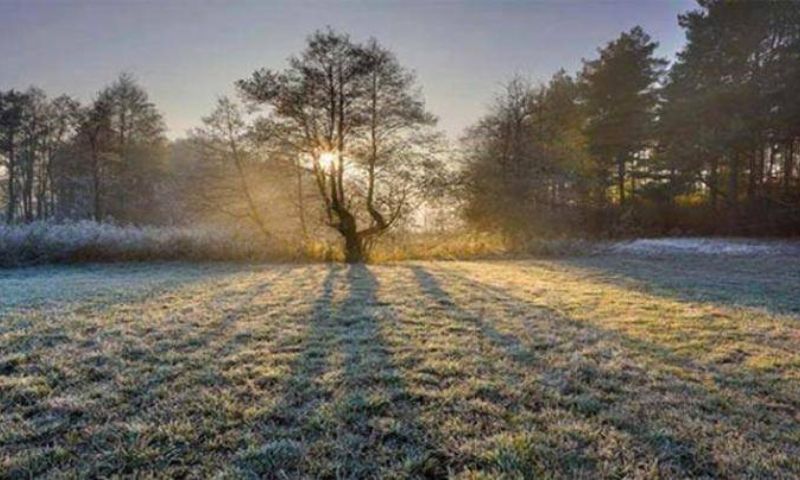
ISLAMABAD: Pakistan’s winter has opened under a persistent and moisture-starved spell that took hold soon after the unusually prolonged monsoon tapered off in late September.
The countrywide pattern of cold, dry weather has now pushed deep into early December. This rising unpredictability of climate is drawing concern from public health officials, farmers and disaster-risk agencies. However, forecasters (PMD) point to a faint but important sign of change: a weak system could deliver isolated rain or snowfall to the northern mountains in the coming days.
What Is Going On ?
Meteorologists say continental air is dominating low-lying regions, keeping humidity suppressed and blocking the development of broader precipitation. This sustained dryness is affecting parts of Punjab, Sindh, Balochistan and central Khyber Pakhtunkhwa, many of which rely on early winter showers to stabilise soil moisture, ease smog formation and support the start of the Rabi crop cycle.
Winter-Risk Monitoring
The insufficient rainfall has increased the urgency of monitoring winter risks in a country already recognised as one of the most climate-exposed regions globally. Pakistan is experiencing a prolonged dry spell that has persisted through winter, starting from early fall, following an extended and unprecedented monsoon.
PMD Short-Term Assessment
The National Weather Forecasting Centre reports that the northern highlands stand the best chance of receiving moisture in the near term. Light rain or snow is possible in Gilgit-Baltistan, upper Khyber Pakhtunkhwa and Kashmir as a shallow westerly wave approaches. Forecasters caution that the system is weak and unlikely to extend its influence to the plains, which are expected to remain dry through the current forecast window.
Dry Spell Timeline
Pakistan’s monsoon lingered until the end of September, longer than usual, delivering heavy, scattered downpours through parts of the month. As the season finally withdrew in October, the atmosphere shifted rapidly into a drier phase. Almost immediately, moisture availability declined and has since remained low across much of the country. With no major western disturbance flagged on the immediate horizon, the dry spell has grown progressively more entrenched.
Implications For Climate-Vulnerable Regions
Farmers: The continued lack of rain in the plains poses challenges for agriculture, particularly wheat germination and early root development, which depend on timely winter moisture.
Urban Folks: Urban centres face heightened smog and air-quality pressure, aggravated by cold nights and stagnant winds. Water-scarce districts, including areas already under climate stress, are bracing for additional strain if the dryness persists.
Health Issues
Public-health specialists are reporting an uptick in respiratory and skin-related cases linked to low humidity and particulate buildup.
Prospects of Wider Relief
Although the approaching light precipitation in the mountains may mark the first break in the pattern since September, broader relief will depend on the arrival of a stronger western disturbance. Forecasters say such a system has not yet appeared in short-term modelling.
Seasonal Outlook
The seasonal outlook for early winter continues to show limited chances of significant rainfall across the plains, keeping attention focused on how quickly the regional circulation patterns evolve through December. Although Meteorologists are not that confident, comparative forecasts suggest that the latter fortnight of the last month of 2025 would have a better chance of proper rains across the country. It is relevant that the dry spell unfolding in winter has also defied the PMD’s seasonal outlook, which had predicted ‘above normal’ rainfall in November-December-January, especially in the southern part of the country.