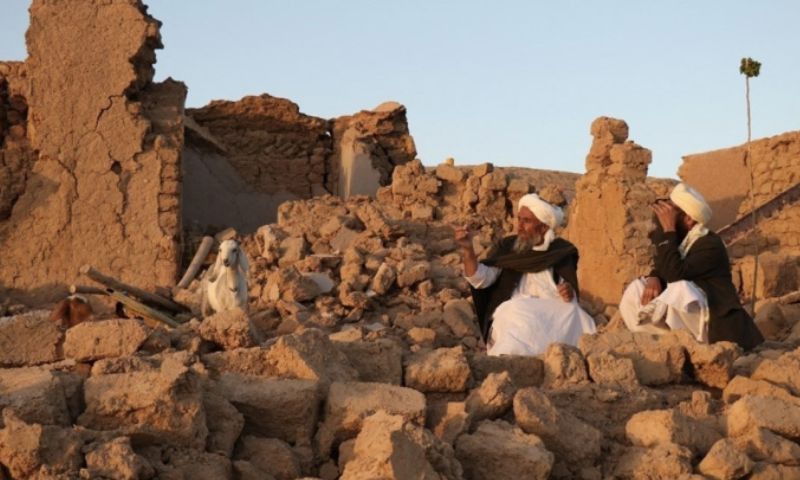



KABUL: A series of strong earthquakes struck Afghanistan late Saturday, killed at least 2,053 people and injured 9,240 others, according to a government spokesperson who confirmed the devastating impact of the disaster to Reuters news agency on Sunday.
Initial reports had indicated 120 casualties, but the death toll surged dramatically as rescue operations revealed the true extent of the devastation. Deputy government spokesman Bilal Karimi stated, “Unfortunately, the casualties are practically very high,” emphasizing the gravity of the situation.
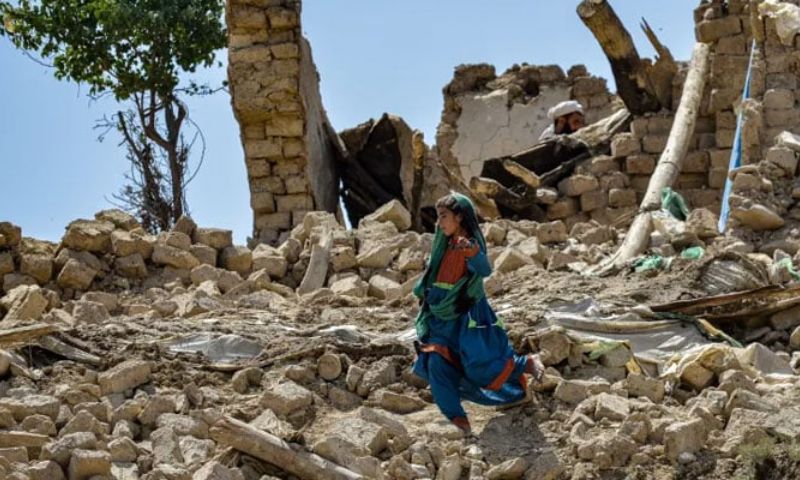
The powerful earthquakes, with a magnitude of 6.3, originated 30 kilometers northwest of Herat, triggering eight aftershocks that flattened 1,328 houses in the affected regions. Sarboland village in the Zinda Jan district was among the hardest hit, where families were buried under collapsed homes. Rescue efforts were underway, but the full scope of the tragedy was yet to be realized.
“Those who were inside the houses were buried,” said Bashir Ahmad, a local resident. “There are families we have heard no news from.”
Earthquake Destruction in Afghanistan
The World Health Organization (WHO) reported significant destruction across 12 villages in Herat province, with more than 600 houses destroyed or partially damaged, affecting 4,200 individuals.
The earthquake disaster struck Afghanistan amidst an existing humanitarian crisis exacerbated by a severe drought, particularly affecting Herat province, home to 1.9 million people along Iran’s border. The province had already been grappling with agricultural challenges due to the drought, intensifying the difficulties faced by local communities.
Afghanistan, situated in the seismic-prone Hindu Kush mountain range, frequently experiences earthquakes. This recent catastrophe is another blow to a nation already dealing with significant hardships.