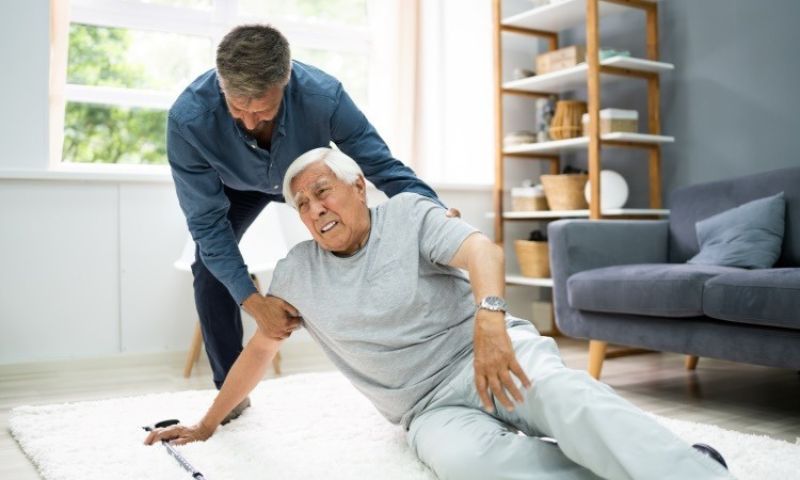



ISLAMABAD: Falls are one of the biggest health threats for older adults. Each year, about one in three people over 65 suffers a fall. These accidents often cause fractures, hospital stays, and long-term loss of independence. A new study from Korea warns that some commonly used medicines may sharply increase this risk.
Researchers studied the health records of hundreds of thousands of older adults between 2007 and 2015. They compared seniors who had fall-related injuries—such as broken bones—with those who didn’t. The team checked which medications the patients were taking in the weeks and months before their accidents.
To be thorough, they used two different methods:
- Case–control design (comparing people with and without fall injuries)
- Case-crossover design (comparing the same person’s medicine use before and after their fall, to spot short-term effects).
Medicines Most Linked to Falls
The study found several drugs that made seniors more likely to fall:
- Muscle relaxants
- Drugs for Parkinson’s disease
- Strong painkillers (opioids)
- Epilepsy medications
- Antipsychotics (used for mental health problems)
Other medicines, such as antidepressants, sleeping pills, anxiety drugs, and NSAID painkillers, were also linked to higher risks.
Interestingly, some medications—like blood pressure drugs, cholesterol-lowering drugs, and medicines for prostate problems—were linked to falls mainly when people first started taking them.
Short-Term vs. Long-Term Risks
The study highlighted an important difference:
- Some drugs cause immediate risks when first prescribed (like dizziness or sudden drops in blood pressure).
- Others build up risk over time by weakening balance, muscles, or alertness.
What Seniors Can Do
Experts stress that older adults should not stop medicines on their own. Instead, they should:
- Regularly review all prescriptions with their doctor or pharmacist.
- Ask about safer alternatives for drugs linked to falls.
- Be extra careful during the first weeks after starting a new medicine.
- Invest in prevention—like exercise to improve balance, checking home safety, and using support aids if needed.
The Bottom Line
Medications save lives, but they also carry risks—especially for seniors. This Korean study confirms that many common drugs can make falls more likely. The good news: with careful prescribing and regular medication reviews, much of that risk can be reduced.