



PARIS: Scientists warn that the world’s main coffee-producing regions are experiencing an increasing number of extreme heat days each year, driven by climate change, posing serious risks to crop yields, quality, and consumer prices.
An independent analysis by Climate Central found that, between 2021 and 2025, coffee-growing countries saw an average of 47 additional days per year with temperatures high enough to harm coffee plants.
The study covered 25 nations responsible for nearly all of global coffee production, according to AFP.
Major coffee producers under heat stress
Brazil, Vietnam, Colombia, Ethiopia, and Indonesia – collectively supplying 75 percent of the world’s coffee – experienced an average of 57 extra days annually above 30°C.
For Arabica coffee plants, temperatures above this threshold are considered “extremely harmful,” while Robusta plants also suffer under suboptimal heat conditions.
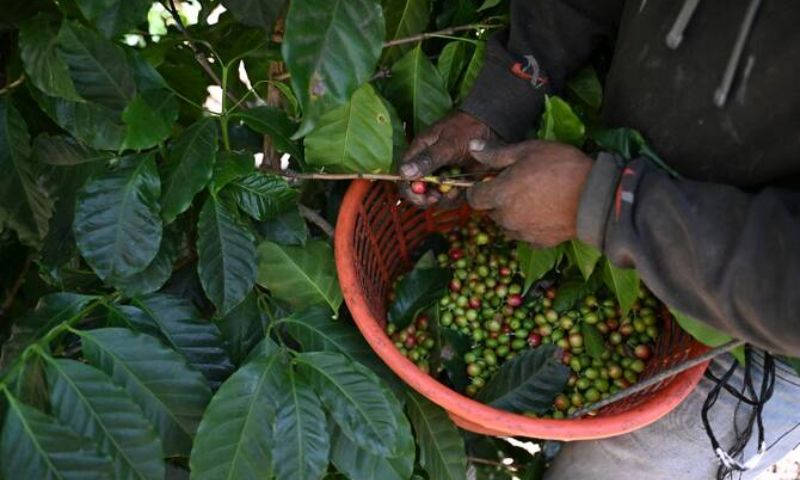
Kristina Dahl, Climate Central’s vice president for science, said, “Climate change is coming for our coffee. Nearly every major coffee-producing country is now experiencing more days of extreme heat that can harm coffee plants, reduce yields, and affect quality.”
She added, “In time, these impacts may ripple outward from farms to consumers, right into the quality and cost of your daily brew.”
Impact on prices
The analysis notes that extreme weather is “at least partly to blame” for the recent surge in coffee prices worldwide, alongside factors such as US import tariffs on Brazilian coffee, which supplies roughly a third of US consumption.
Climate Central assessed how many days would have remained below 30°C in a world without carbon pollution but instead exceeded that level, quantifying the heat days added by climate change.
The study underscores that the last three years have been the hottest on record globally.
Broader implications
Coffee cultivation relies on specific temperature ranges and rainfall patterns for optimal growth. The added heat days threaten not only crop yields but also the quality and consistency of beans, with potential ripple effects across global supply chains and consumer markets.
Farmers, exporters, and industry stakeholders are increasingly concerned that continued warming could lead to further price hikes, reduce production stability, and challenge sustainability efforts in the coffee sector.