


BEIJING: As the Middle East conflict entered its third day, Beijing made a formal appeal on Monday for an end to the hostilities, urging all parties to pursue diplomatic talks.
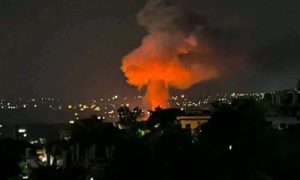
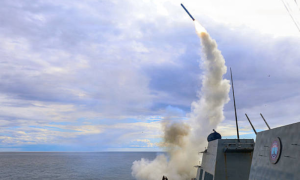
The call for a ceasefire follows ongoing strikes by Israel and the US on targets in Iran and Lebanon, prompting Iran to launch missile strikes on US bases across the Middle East.
The escalating conflict has raised fears of a broader war engulfing the region.
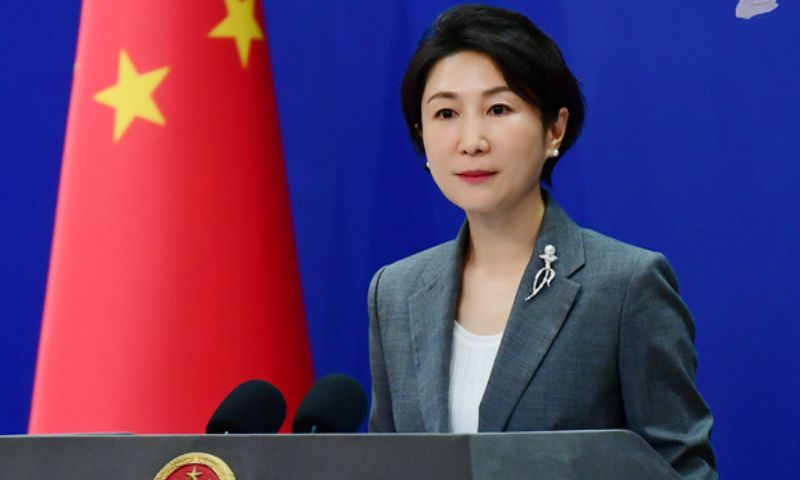
“The most urgent task is an immediate cessation of military operations and preventing a spread and spillover of conflict,” Foreign Ministry Spokesperson Mao Ning told a news conference.
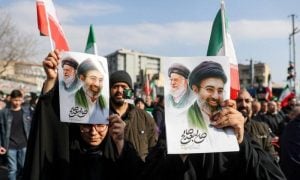
A Chinese national was killed in Tehran during ongoing strikes by Israel and the United States, an operation that also killed Iran’s Supreme Leader Ayatollah Ali Khamenei, according to a spokesperson.
“The foreign ministry has instructed the Chinese embassy in Iran to provide assistance to the individual involved and the family,” Mao said.
She confirmed that China was not informed in advance about the US military action in the region.
In response to the escalating crisis, Beijing and Moscow have jointly called for an emergency session of the UN Security Council.
The announcement came as China ramped up its efforts to protect its citizens amid the widening conflict.
Citing the deteriorating security situation, Beijing renewed its warning against travel to Iran last week.
As of Monday, over 3,000 Chinese nationals have been evacuated from the country.
The crisis deepened further as Iran’s Revolutionary Guards vowed to launch the “most ferocious” operation in history against both Israel and US military bases in the Gulf.
The threat places American allies in the region on high alert, as they already grapple with the fallout from an unprecedented series of deadly Iranian strikes.
Trump’s China visit in spotlight
The escalating Middle East crisis casts a shadow over an upcoming high-profile diplomatic engagement.
US President Donald Trump is scheduled to visit China from March 31 to April 2—his first trip to the Asian power since the start of his second term.
When asked about the planned visit amidst the current tensions, spokesperson Mao said that Beijing and Washington are “maintaining communication regarding the interactions between the leaders of the two countries.”
She declined to provide further details.