Key Points
- China to fully cover childbirth-related medical costs nationwide from 2026
- Policy aims to achieve “no out-of-pocket expenses” for delivery and prenatal care
- Move targets declining birth rates and population shrinkage
- Several provinces already offering near-free childbirth services
- Part of broader push including childcare subsidies and free preschool education
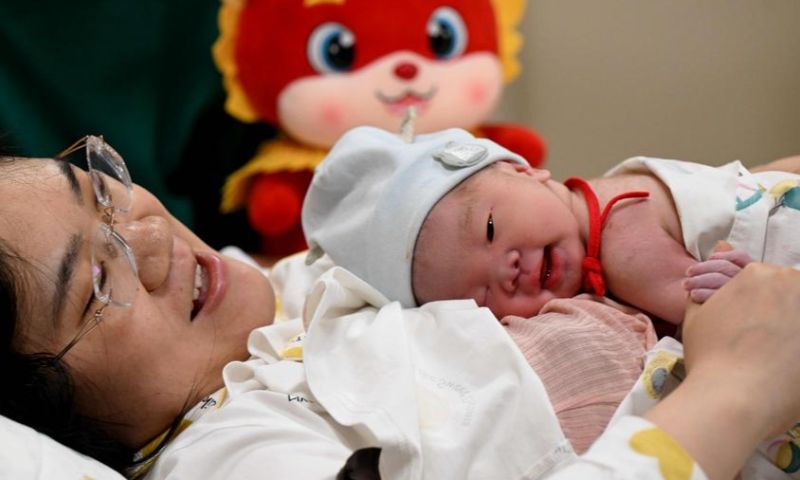
BEIJING: China will begin covering all out-of-pocket medical expenses related to childbirth nationwide from 2026, the country’s National Healthcare Security Administration announced, as authorities intensify efforts to address the country’s falling birth rate.
Under the new policy, all policy-covered medical costs associated with childbirth — including prenatal checkups — will be fully reimbursed, with the goal of achieving “no out-of-pocket expenses” for families, according to an official report released on Saturday.
The initiative comes amid mounting concern over China’s demographic challenges. The country’s population began shrinking in 2022 for the first time in decades and continued to decline through 2024.
Experts warn that persistently low birth rates, combined with an ageing population and a shrinking workforce, could place further pressure on economic growth and already strained local government finances, according to Reuters.
China’s declining fertility rate has been linked to the long-term impact of the one-child policy, which was in place from 1980 to 2015, as well as rapid urbanisation. High childcare and education costs, job insecurity, delayed marriages and a slowing economy have further discouraged young couples from starting families.
Several provinces, including Jilin, Jiangsu and Shandong, have already introduced measures to make childbirth nearly free, serving as pilots for the nationwide rollout.
Earlier this year, Beijing said it would “actively” respond to demographic shifts by introducing policies to support both the elderly and young families, including childcare subsidies and free preschool education. Authorities have also expanded maternity leave, tax incentives, financial support and housing subsidies in an effort to encourage higher birth rates.