


Key Points
- British nuclear-powered submarine HMS Anson reported in the northern Arabian Sea
- Equipped with Tomahawk cruise missiles and Spearfish torpedoes
- London maintains stance against deeper involvement in wider conflict
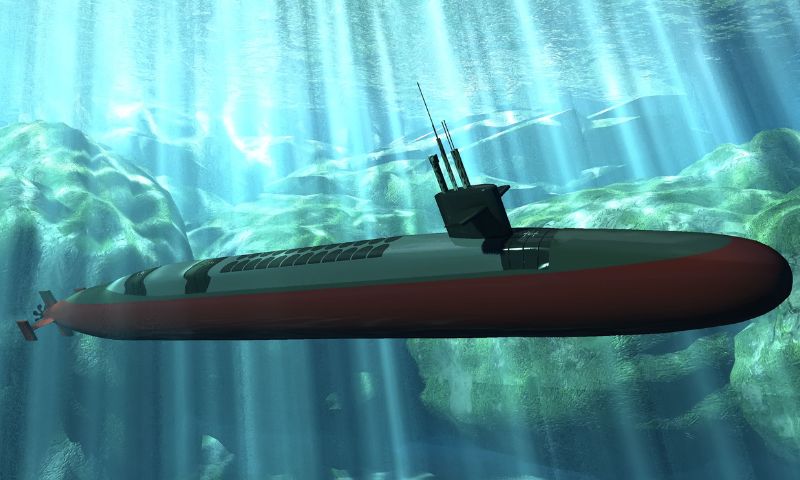
ISLAMABAD: A British nuclear-powered submarine has reportedly been deployed to the Arabian Sea, enhancing the United Kingdom’s potential strike capability in the event of further escalation involving Iran, according to British media reports.
The HMS Anson, an advanced attack submarine operated by the Royal Navy, is believed to be positioned in the deep waters of the northern Arabian Sea.
The Daily Mail, citing defence sources, reported that the vessel is equipped with Tomahawk Block IV land-attack cruise missiles and Spearfish heavyweight torpedoes. The submarine can carry out precision strikes at long range, the report added.
According to the report, the submarine could be ordered to approach the surface and launch multiple cruise missiles if authorised by the British prime minister, indicating that British forces retain a ready option to respond militarily should the need arise.
The presence of such a platform underscores a calibrated posture that combines deterrence with operational flexibility.
The development comes after Britain agreed to allow the United States to use British military bases for what officials described as limited operations aimed at degrading missile capabilities threatening shipping in the Strait of Hormuz.
At the same time, London has reaffirmed that it does not seek to be drawn into a broader regional conflict.
The reported deployment reflects growing concerns over maritime security in one of the world’s most critical energy transit corridors. It also highlights the role of undersea assets in modern military strategy.
With the reported move, the US expressed its ability to project power discreetly without immediate visible escalation.
The UK Ministry of Defence has not officially confirmed the submarine’s exact location or mission, and the details remain based on media reports citing unnamed sources.
Analysts say such deployments are often deliberately ambiguous, allowing governments to maintain strategic signalling without formal escalation.