



Key points
- Pakistan stars under fire after India loss
- Australia hit by injuries and unsettled XI
- New Zealand forced into Bracewell replacement change
ISLAMABAD: With the ICC Men’s T20 World Cup 2026 group stage nearing its end, several teams are facing uncomfortable selection calls — the kind that can define a tournament. Injuries have already forced changes, while form, match-ups and pressure have pushed even established stars into the spotlight.
Pakistan: Babar, Shaheen and Shadab under fire
No side is under heavier selection scrutiny than Pakistan after their 61-run defeat to India in Colombo. The loss triggered blunt public criticism from former captain Shahid Afridi, who called for senior players Babar Azam, Shaheen Afridi and Shadab Khan to be benched in favour of younger options ahead of the must-win clash against Namibia.
The pressure is not limited to former-player commentary. A report citing a source within Pakistan’s team management said Babar and Shaheen were likely to be dropped for the Namibia game — an extraordinary possibility given both players’ status.
Pakistan’s bowling selection is also a flashpoint. The decision to persist with Shaheen while leaving out in-form seamer Salman Mirza has become a talking point across local discussion shows and commentary, framing Pakistan’s dilemma as form versus reputation.
Australia: injuries, omissions and a batting squeeze
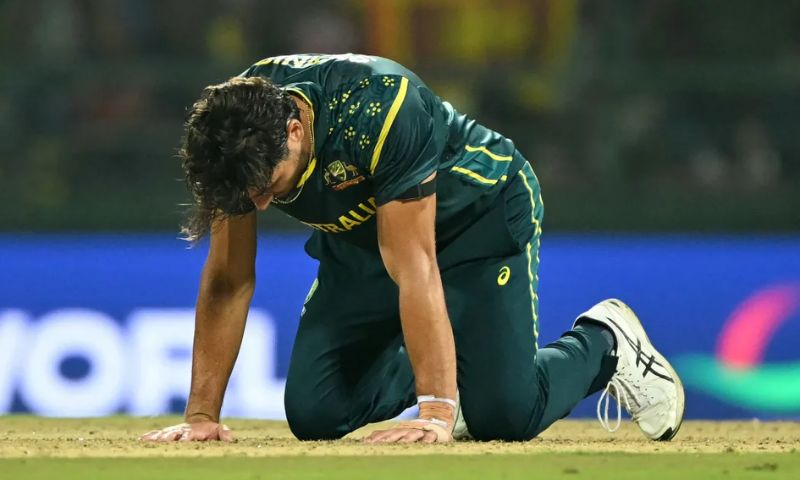
Australia’s campaign has been rocked by injuries and results — and that combination often triggers swift selection churn. The ICC confirmed before the tournament that Pat Cummins and Matthew Short would miss the event due to injury setbacks, weakening Australia’s balance before a ball was bowled.
Now, after defeats that have pushed them towards the edge of elimination, scrutiny has intensified. The Guardian reported that Australia’s aura has been “ruthlessly exposed” by the absence of champion fast bowlers, with the team on the brink of an early exit.
Selection debate has centred on personnel and role clarity. Australian media reports have highlighted the late inclusion of Steve Smith (brought in after Josh Hazlewood was ruled out) — and the awkward reality that Smith still did not make the XI for a major group game, underlining how unsettled Australia’s combination has become.
When a side starts making reactive changes, the next step is often the toughest: deciding whether to persist with trusted names or reshuffle again to chase form and match-ups.
New Zealand: forced changes with qualification in sight
For New Zealand, the selection headache has been less about out-of-form stars and more about managing squad disruption at the worst time. NZC confirmed Michael Bracewell was ruled out injured and replaced by Cole McConchie, a change approved by the tournament’s Event Technical Committee.
With qualification on the line, these forced switches can still alter tactical plans — particularly when an all-rounder’s skillset underpins balance in both innings. Even for settled sides, losing a player mid-tournament can trigger chain reactions: batting order tweaks, bowling overs redistributed, and fielding roles reassigned.
England: through to Super Eights, but questions remain
England have qualified for the Super Eights, but not without warning signs. They beat Italy by 24 runs after posting 202/7, yet still allowed the chase to become nervy — a result that reinforced how fine margins remain even against an associate side playing fearless cricket.
That context matters because teams that progress often use the transition into the Super Eights to make one or two “tough” calls — dropping a big name out of form, reshaping the bowling attack, or selecting horses-for-courses depending on venue and opponent.
Why the next selections will be ruthless
The Super Eights phase compresses the margin for error. Teams are no longer choosing XIs for “tournament building” — they’re choosing for survival. Injuries have already reshaped squads, and form slumps have made reputations less secure than usual. The next team sheets will reveal who believes in continuity — and who thinks change is the only path forward.