


DHAKA, Bangladesh: Bangladesh’s Chief Advisor warned on Tuesday of a surge of disinformation that he said threatened to impact critical national elections next month, the first since a 2024 uprising toppled the government.
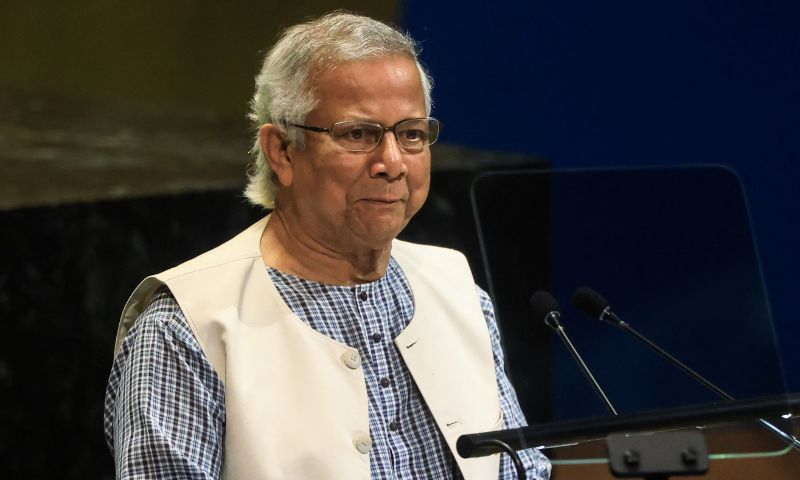
Muhammad Yunus, the 85-year-old Nobel Peace Prize laureate, said he had called on the United Nations human rights team to “counter a surge of misinformation targeting the February 12 elections”, his office said in a statement.
“There has been a flood of misinformation surrounding the elections,” Yunus told UN rights chief Volker Turk in a telephone call, according to a statement.
“It is coming from both foreign media and local sources.”
Bangladesh has been in political turmoil since a student-led revolt overthrew former prime minister Sheikh Hasina in August 2024, ending her 15-year autocratic rule.
“They have flooded social media with fake news, rumours and speculation,” Yunus added. “We are concerned about the impact this may have on the elections.”
Turk, according to the Bangladesh press statement, offered the UN’s support.
European Union election observers say the vote in the country of 170 million people will be the “biggest democratic process of 2026”.
Yunus said he inherited a “completely broken” political system, and championed a reform charter he argues is vital to prevent a return to authoritarian rule.
A referendum on the proposed changes will be held on the same day. He says the reforms will strengthen checks and balances between the executive, judicial and legislative branches.
In recent months, Indian media outlets have embarked on an aggressive misinformation campaign aimed at discrediting the interim government in Bangladesh, which was set up following the fall of Sheikh Hasina’s regime.
Many in Bangladesh believe that a section of the Indian media has been working with the Indian deep state to legitimize Bangladesh’s past autocratic ruler Sheikh Hasina and her regime.
During her 16-year rule, Hasina ensured that Indian security concerns in its Northeast were addressed. She provided India with transit and port access along with numerous other facilities, essentially aligning Bangladesh with India’s strategic goals.
In exchange, India bolstered Hasina’s regime by providing it with unwavering support in the face of mounting international backlash. The Hasina regime lacked a genuine popular mandate, as the last three elections were either boycotted by the political opposition or marred by widespread electoral rigging.