


DHAKA: Bangladesh’s capital remained tense on Saturday as fresh calls for nationwide protests followed two consecutive nights of violent demonstrations triggered by the killing of prominent youth leader Sharif Osman Hadi, a leading face of the 2024 uprising that toppled former prime minister Sheikh Hasina.
Hadi, 32, died late Thursday at a hospital in Singapore, a week after he was shot by masked gunmen outside a mosque in Dhaka. His death has ignited widespread anger, particularly among young protesters who describe him as a martyr of the anti-India, pro-democracy movement.
Saturday protests, mounting anger
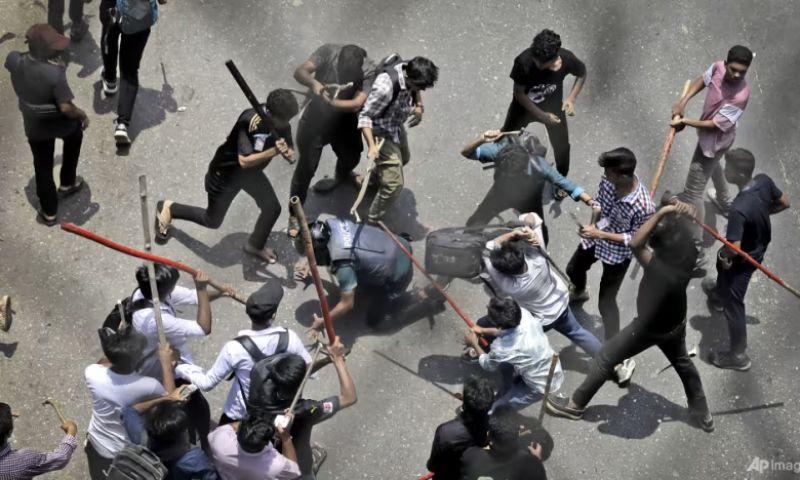
On Saturday, protest organisers announced new demonstrations in Dhaka and other major cities, demanding justice for Hadi and accusing neighbouring India of sheltering both the killers and the ousted former premier. Protesters are also calling on New Delhi to hand over Sheikh Hasina, who has been living in India since fleeing Bangladesh in 2024.
Bangladesh police said they believe the attackers who killed Hadi fled across the border into India after the shooting, a claim that has further inflamed public sentiment. Indian authorities have not commented on the allegation.
What happened on Thursday and Friday
The unrest began Thursday night after news broke that Hadi had succumbed to his injuries. By Friday, large crowds had poured into the streets of Dhaka, Gazipur, Sylhet and Chattogram, with demonstrations marked by mourning, slogans against India, and clashes with security forces.
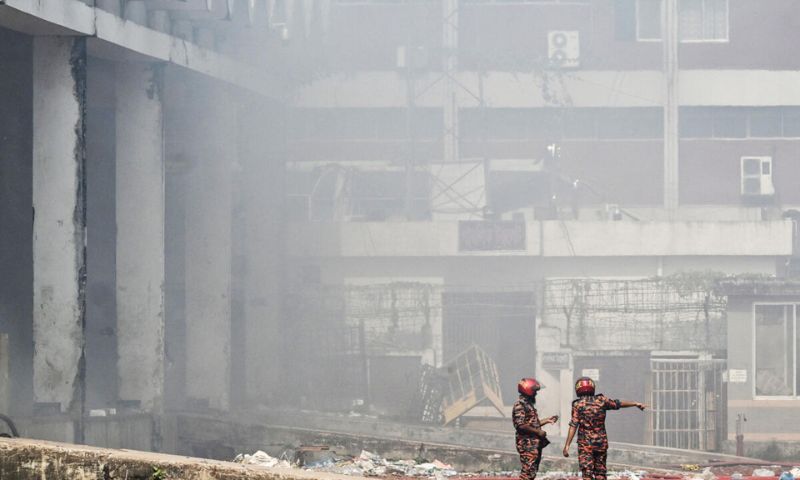
Late Thursday and into Friday, protesters vandalised and set fire to the offices of two of the country’s most influential newspapers — The Daily Star and Prothom Alo — accusing them of favouring India and the former Hasina government. Both outlets suspended operations after their offices were badly damaged. By Friday morning, Prothom Alo’s Dhaka office appeared largely gutted by fire, with smoke still rising as firefighters continued extinguishing efforts.
Editors and journalists described the attacks as unprecedented. Staff trapped inside the Daily Star building reported heavy smoke, while Prothom Alo’s management called the arson an assault on press freedom and dissent.
Funeral arrangements and security
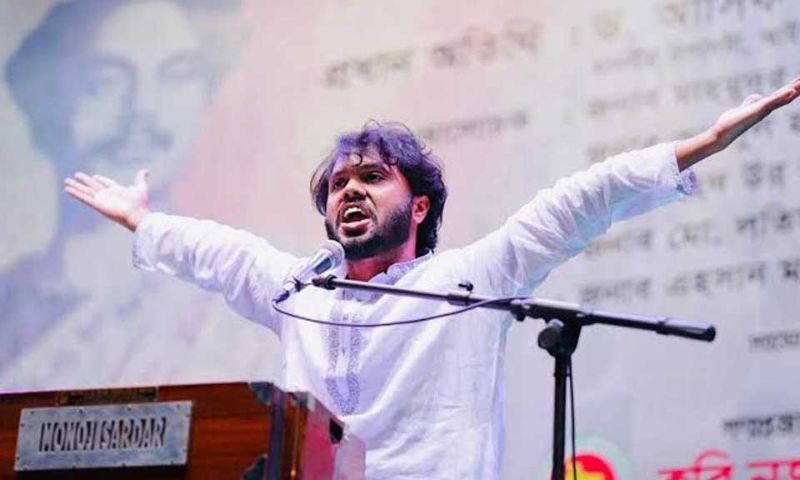
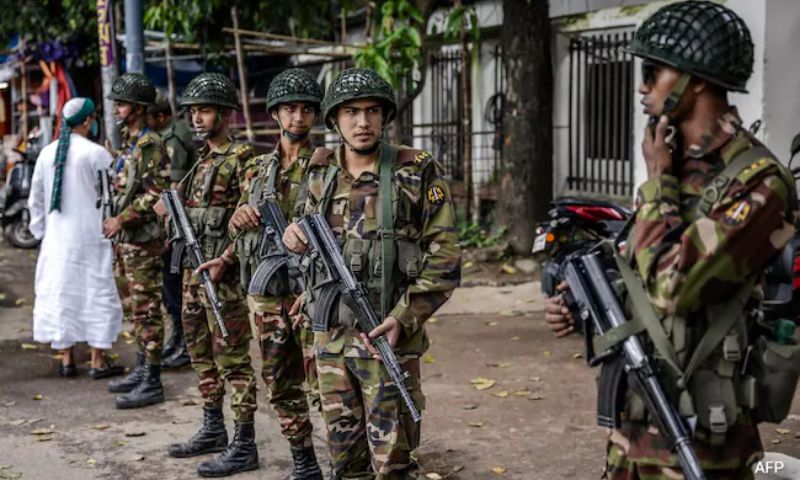
Hadi’s body was flown back to Dhaka on Friday evening. Authorities said his funeral prayers would be held on Saturday in front of the parliament building, followed by a public viewing at Dhaka University’s central mosque. Security has been tightened across the capital, including restrictions on drone flights near key state buildings.
Interim leader Muhammad Yunus, who heads the caretaker government, described Hadi’s death as an “irreparable loss for the nation” and urged restraint. His administration warned against mob violence, calling the current moment a critical phase in Bangladesh’s “historic democratic transition” ahead of elections scheduled for February — the first since Hasina’s ouster.
Hadi had been preparing to contest those elections as a candidate of the student-led platform Inqilab Mancha, positioning himself as a fierce critic of Indian influence in Bangladesh’s politics.
International concern has also grown. UN human rights chief Volker Turk called for a prompt, impartial and transparent investigation, warning that retaliation would deepen divisions.
A volatile moment
With protests set to continue through the weekend, Bangladesh faces one of its most volatile moments since the fall of Sheikh Hasina. For many demonstrators, Hadi’s killing has become a symbol not only of political violence but of unresolved anger toward India’s role in Bangladesh’s recent history — anger now spilling onto the streets, the media, and the fragile transition process itself.