


KEY POINTS
- BCB and ICC failed to resolve standoff over moving Bangladesh’s World Cup matches from India to Sri Lanka.
- Bangladesh’s refusal is rooted in security fears following Mustafizur Rahman’s IPL release.
- Officials discussed moving Bangladesh to different group as logistical compromise
- Bangladesh Cricket Board’s relocation demand remains unchanged.
- Impasse creates a major scheduling and diplomatic crisis for the ICC.
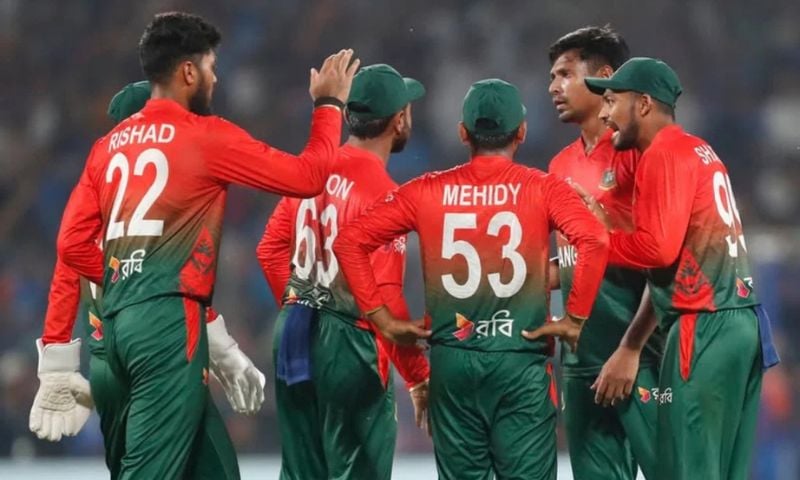
DHAKA, Bangladesh: With just three weeks remaining until the start of the ICC Men’s T20 World Cup 2026, a critical impasse between the Bangladesh Cricket Board (BCB) and the International Cricket Council (ICC) remains unresolved.
The central issue is Bangladesh’s steadfast refusal to play its scheduled matches in India, citing unresolved security concerns for its team and supporters.
Meeting ends without resolution
The two bodies held a high-level meeting on Saturday in an effort to break the deadlock. While the discussions were described as “constructive, cordial and professional,” no agreement was reached.
In a statement released afterward, the BCB confirmed it will “continue engaging in constructive dialogue on this matter,” indicating the standoff persists with time running out before the February 7 kick-off.
BCB reiterates formal request for relocation
The BCB’s position was unambiguous during the talks. “During the discussions, the BCB reiterated its formal request to the ICC to relocate Bangladesh’s matches to Sri Lanka,” the board stated.
It further emphasised that it conveyed “Bangladesh government’s views and concerns on safety and security of the team, Bangladeshi fans, media and other stakeholders.”
Logistical alternatives discussed
In search of a compromise, the meeting explored potential logistical workarounds.
One discussed option involved moving the Bangladesh team to a different tournament group, which could facilitate a shift in venues with “minimum logistical adjustments.”
Bangladesh is currently in Group C with England, Nepal, the West Indies, and Italy, slated to play matches in Kolkata and Mumbai.
Diplomatic tensions
The crisis stems from broader diplomatic tensions.
It was triggered earlier this month when the Board of Control for Cricket in India (BCCI) directed the Kolkata Knight Riders to release Bangladeshi fast bowler Mustafizur Rahman from their IPL squad, a move that drew strong condemnation in Bangladesh.
In retaliation, the Bangladeshi government banned IPL broadcasts, and the BCF formally refused to play World Cup matches in India.
The BCB’s stance has remained unchanged through multiple ICC meetings.
While an independent security assessment report notes a “moderate-high” general threat level in India, it also states there is “no information to indicate a direct threat against participating teams.”
This assessment has so far failed to alleviate Bangladesh’s concerns.
High-level representation at talks
The meeting featured senior officials from both sides. The ICC was represented virtually by General Manager (Events) Gaurav Saxena, whose physical attendance was hindered by a delayed visa, and in person by Integrity Unit head Andrew Ephgrave.
The BCB delegation was led by President Aminul Islam and included senior board members and CEO Nizam Uddin Chowdhury.
As the clock ticks down, ICC faces a mounting logistical and diplomatic challenge.
The BCB’s unwavering stance leaves the tournament schedule in limbo, with the cricket world watching to see if a last-minute solution can be found or if a major team’s participation will be fundamentally altered.