ISLAMABAD: Bangladesh heads to the polls on Thursday in its first general election since the dramatic 2024 student-led uprising that ended former Prime Minister Sheikh Hasina’s 15-year rule.
The vote is widely seen as a defining moment for the South Asian nation, with approximately 127 million registered voters eligible to elect 350 members of the Jatiya Sangsad, the country’s parliament.
The country has been governed by an interim caretaker administration led by Nobel laureate Muhammad Yunus since August 2024, following months of unrest triggered by protests over a controversial civil service quota system.
The demonstrations escalated into a nationwide movement that ultimately forced Hasina from power. She later fled to India and was sentenced to death in absentia by a special tribunal in Bangladesh over the violent crackdown on protesters.
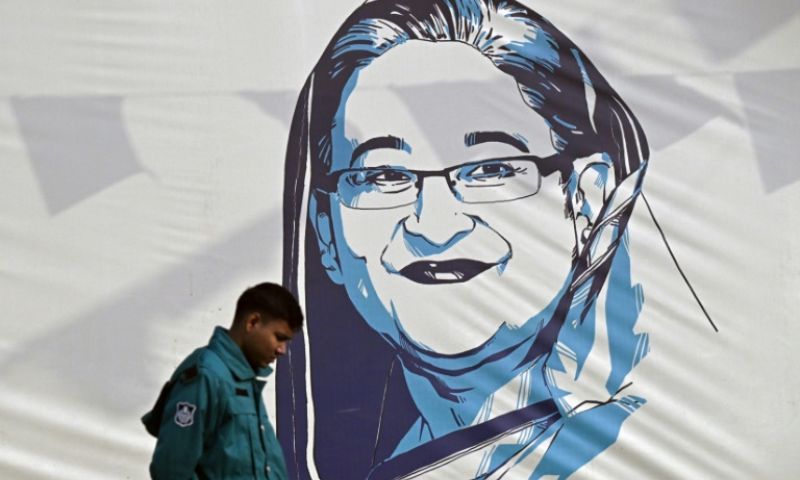
Her party, the Awami League, which dominated Bangladeshi politics for decades, has been barred from contesting the election.
Alongside parliamentary elections, voters will also decide in a referendum on the July National Charter 2025, a reform document drafted after the protests to reshape the country’s governance framework.
The BNP and Jamaat-e-Islami lead the main contest for Bangladesh’s 300 parliamentary seats, heading rival multi-party alliances, while the Awami League has been barred from contesting.
Other parties, including Islami Andolan Bangladesh and the Jatiya Party, are running independently outside the two major blocs. Jamaat leaders say the party has reformed its organisational structure and is committed to democratic governance, anti-corruption measures, and broader national inclusion, while BNP leaders say the party is focused on restoring democratic institutions, ensuring economic stability, and promoting inclusive governance after years of political turmoil.
Below is a detailed look at the key parties, alliances, and political figures shaping this landmark election.
The Main Contenders
Bangladesh Nationalist Party (BNP)
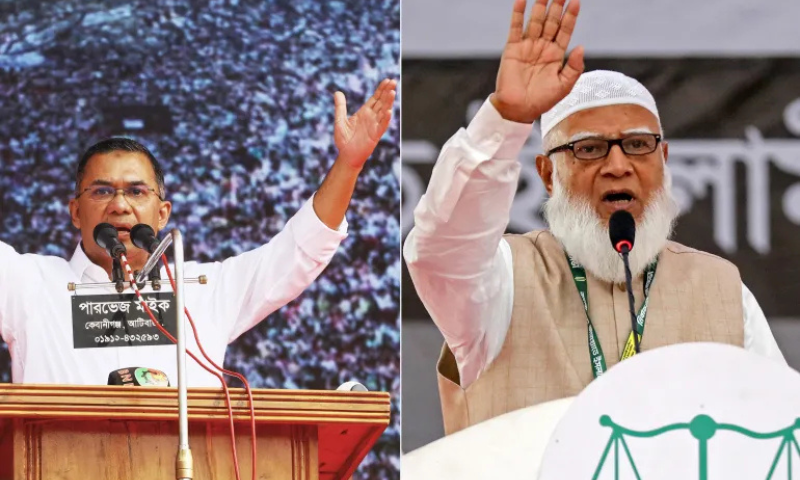
The Bangladesh Nationalist Party (BNP) is widely seen as a frontrunner in the election. It leads a coalition of 10 parties and is headed by Tarique Rahman, son of former Prime Minister Khaleda Zia.
Founded in 1978 by Ziaur Rahman, a key military figure during Bangladesh’s 1971 independence war, the BNP is rooted in the ideology of Bangladeshi nationalism. The party describes this as an “ideology that recognises the right of Bangladeshis from all walks of life, irrespective of their ethnicity, gender or race”.
Traditionally considered a centre-right political force, the BNP alternated in power with the Awami League for decades.
After the assassination of Ziaur Rahman in 1981, Khaleda Zia led the party for nearly four decades. She served as Bangladesh’s first female prime minister from 1991 to 1996 and again from 2001 to 2006. During that time, Jamaat-e-Islami was an ally in its struggle against Hasina’s Awami League.
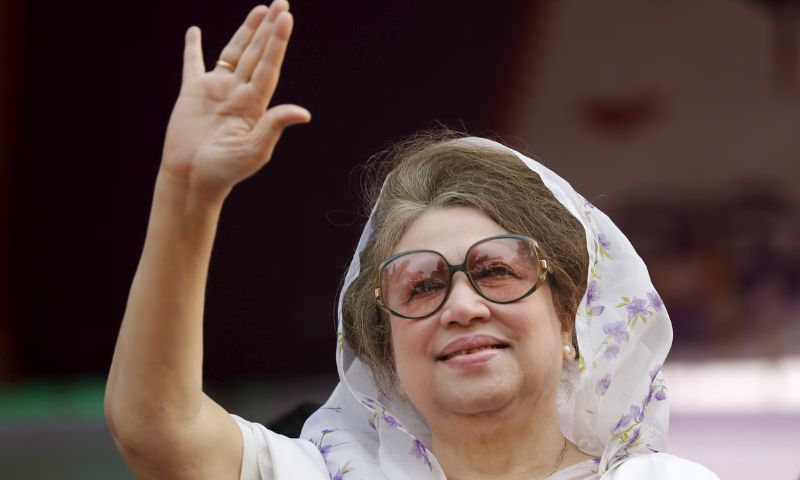
Following Hasina’s return to power in 2009, the BNP faced mounting legal pressure. Khaleda Zia was placed under house arrest in 2018 on corruption charges but was acquitted after Hasina’s removal in 2024.
Since the 2024 political upheaval, the BNP has regained momentum. Tarique Rahman, 60, returned to Dhaka in December 2025 after living in London since 2008, where he had sought refuge from what he described as politically motivated persecution. He arrived days before the death of his mother, Khaleda Zia.
“We will build a Bangladesh that a mother dreams of,” he said upon his return, calling on citizens from “the hills and plains – Muslims, Hindus, Buddhists and Christians – to join him in creating a secure and inclusive nation.”
At rallies, Rahman has pledged infrastructure upgrades, better healthcare, and job opportunities.
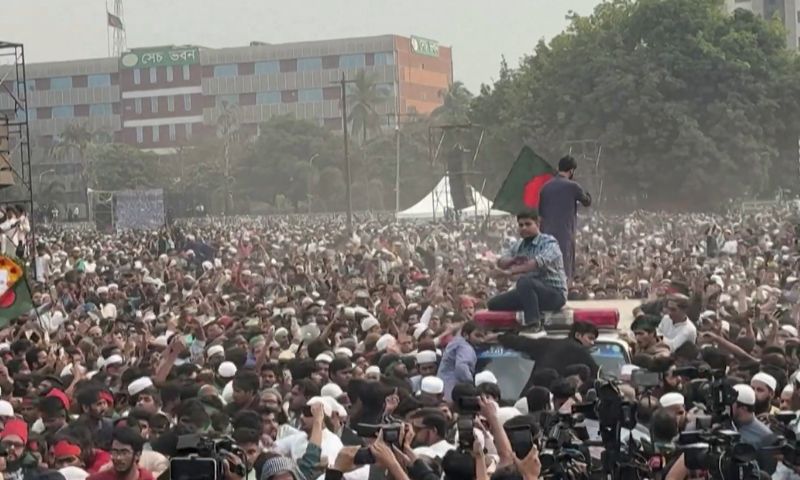
“If elected, the healthcare system will be improved, a flyover will be constructed in Sherpur, permanent embankments will be built in the river erosion areas of Dhunat, and the youth will be made self-reliant through the establishment of IT education institutions,” he said.
Political analyst Khandakar Tahmid Rejwan of Independent University Bangladesh noted the BNP has become more structured since Rahman’s return.
“The party has basically revived with a newfound spirit in both its central and grassroots-level leadership,” he said.
“Typical objections against BNP and affiliated party activists, like [allegations of] extortion … have also significantly declined. Top leaders of the central committee have also been comparatively cautious to avoid any statement that might create popular outrage. Significantly, the people are flocking in thousands to hear from Rahman at his electoral rally, even late at midnight,” he added.
Rejwan said Rahman is widely seen as capable of uniting the country with an inclusive vision.
Jamaat-e-Islami and Its Alliance
Jamaat-e-Islami (JIB) leads an 11-party alliance that includes the National Citizen Party (NCP). It is the second major bloc in the election, and polls suggest it trails the BNP closely in public support.
Founded in 1941 by Sayyid Abul Ala Maududi during British rule in India, Jamaat supported staying with Pakistan during Bangladesh’s 1971 independence war and was subsequently banned. The ban was lifted in 1979 under President Ziaur Rahman.
During Hasina’s tenure from 2009 until 2024, five senior Jamaat leaders were executed and others imprisoned for alleged crimes during the 1971 war. In 2013, the party was barred from contesting elections.
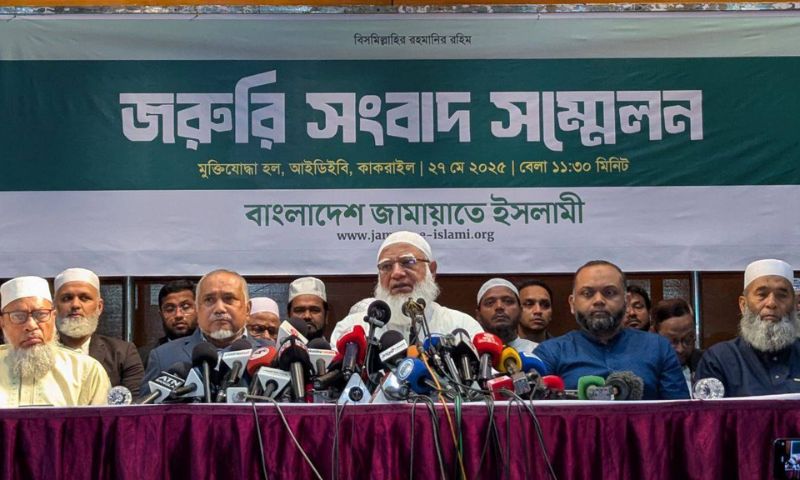
In June 2025, Bangladesh’s Supreme Court restored Jamaat’s registration, enabling it to return to electoral politics.
Its current leader, 67-year-old Shafiqur Rahman, has described the February 12 election as historic.
“It is an election to end the cries of the families of martyrs. It is an election to bury the rotten politics of the past,” he said at a rally in Jamalpur.
Jamaat has faced criticism from those concerned about its ideological stance, particularly regarding women’s rights and minority protections. The party has rejected such concerns and says it seeks broader electoral outreach.
For the first time in its history, Jamaat is fielding a Hindu candidate, Krishna Nandi, from Khulna.
Rejwan noted Jamaat’s growing grassroots mobilisation.
“Its student wing has literally outperformed any other political rivals in the university union elections. We are also seeing the Jamaat-affiliated women’s wing reaching out door-to-door in both rural and urban areas to expand their base of voters.
Moreover, since the fall of Hasina, we are seeing pro-Jamaat active and retired elites from security forces, university academics, and civil services constantly pushing the pro-Jamaat narratives within their respective capacities,” he said.
“Jamaat’s upper hand and pragmatic postures are now being extended to its allies, like NCP, which is explicitly reaping all the benefits of its senior partner in the alliance,” he added.
National Citizen Party (NCP)
The National Citizen Party (NCP) was formed in February 2025 by student leaders who spearheaded the July 2024 protests.
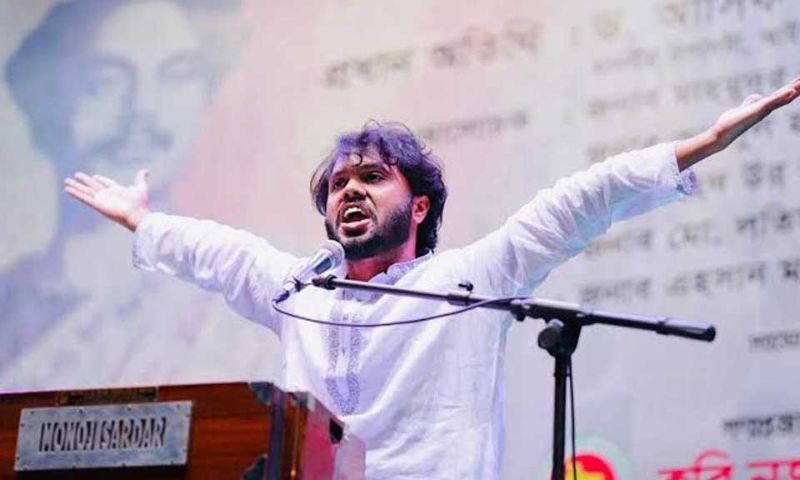
Led by 27-year-old Nahid Islam, the party advocates “governance without corruption” and national unity, along with greater press freedom and women’s representation.
Due to financial limitations, the NCP joined Jamaat’s alliance. The move triggered internal dissent, with some members resigning over ideological differences.
In an interview with ABC News, Nahid Islam defended the decision:
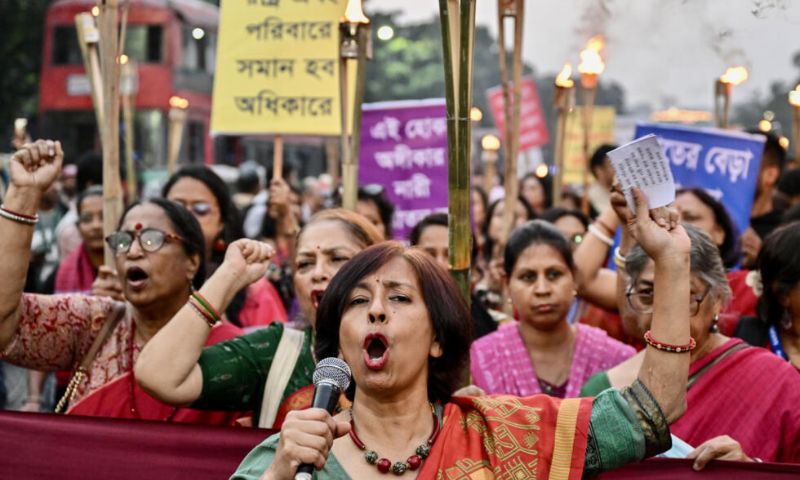
“When we are forming an electoral alliance, we are not abandoning our own political beliefs. It’s just a strategic alliance.”
Rejwan criticised the move.
“It’s unfortunate to see the leader of the political party that arguably claims to own and lead the 2024 mass uprising and depose Hasina, now become a junior partner to a major political party,” he said.
“As a result, we see defections of many top leaders of NCP, and astonishingly, by allying, it was only able to bargain for 30 seats for its own candidate. To sum up, Nahid has sold his political autonomy and image of an exclusive figure by de facto becoming subservient to Jamaat,” he added.
Other Influential Figures
Muhammad Yunus and the Referendum
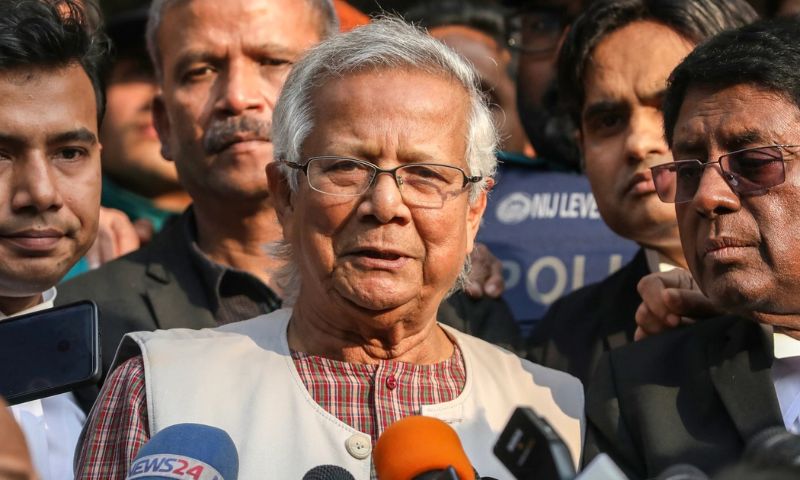
Caretaker leader Muhammad Yunus is not contesting but plays a central role in overseeing the election and promoting the July National Charter referendum.
The charter, drafted by the Constitution Reform Commission in 2025, proposes anti-corruption mechanisms, electoral reforms, and policing guidelines. Yunus has expressed confidence in its approval, though critics question its constitutional standing.
General Waker-Uz-Zaman
Army Chief General Waker-Uz-Zaman is also influential. While the military is not contesting elections, it will be deployed nationwide to ensure security amid political tensions.
Following the 2024 unrest, Zaman publicly backed Yunus’s interim government and suggested elections would be held within 18 months.
Rejwan stressed that cooperation between Yunus and the army will be crucial.
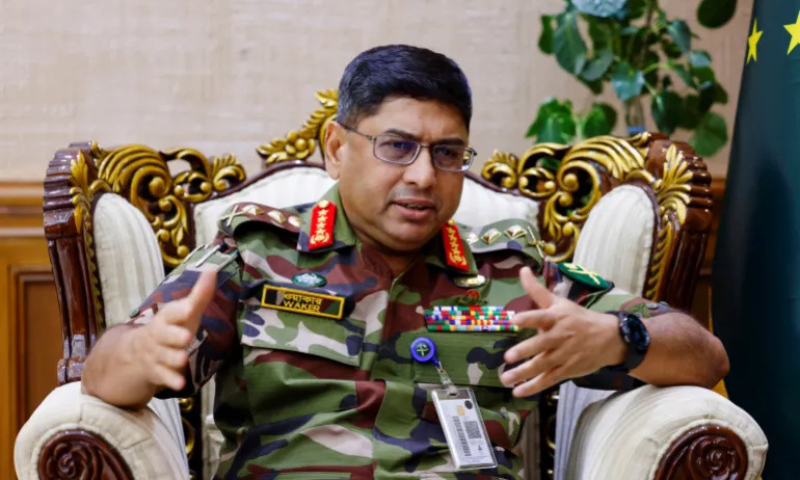
“Executives under the leadership of Yunus are critical to ensure the nationwide voting, while the Chief of Army Staff Waker’s forces, which would be deployed throughout the country, are indispensable to maintain public order and prevent the proliferation of political instability, violence, and chaos,” he said.
Sheikh Hasina: A Factor from Exile
Though barred from contesting and living in exile in India, Sheikh Hasina remains politically relevant.
In a message to the media, she warned:
“A government born of exclusion cannot unite a divided nation”.
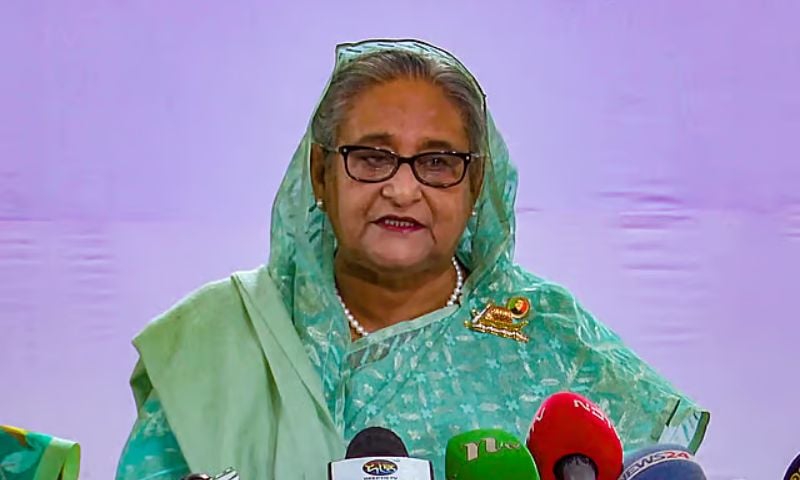
“Each time political participation is denied to a significant portion of the population, it deepens resentment, delegitimises institutions and creates the conditions for future instability,” she said.
Bangladesh authorities have objected to her public statements and sought her extradition.
Rejwan believes her influence persists.
“If Hasina were a negligible figure, then the interim government wouldn’t have banned all of her speeches and statements from being aired on television or printed in newspapers … the interim government would also not have reacted so firmly against India for allowing her to speak,” he said.
“This means Hasina is a factor that the interim government implicitly believes has an influence over the Awami League populace, who are yet undecided on whom to cast their vote for, given that AL is banned from the polls,” he added.
A Defining Vote
With youth voters forming nearly half the electorate, the Awami League barred, and new alliances reshaping political alignments, the February 12 election represents a turning point for Bangladesh.
The outcome will not only determine the next parliamentary majority but also test whether the country can transition from protest-driven upheaval to a stable democratic order.