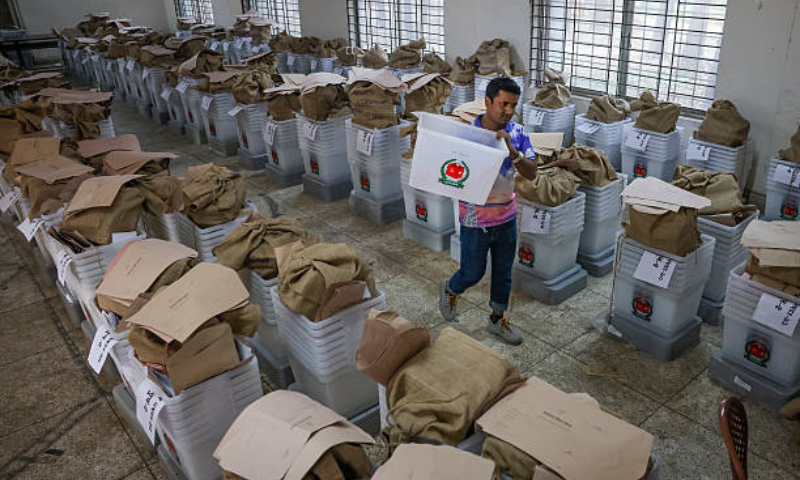



ISLAMABAD: Bangladesh is set to hold parliamentary elections on Thursday, in what is widely considered one of the most consequential votes in the country’s modern history.
This will be the first national election since the 2024 student-led uprising that forced former Prime Minister Sheikh Hasina from power and brought an interim administration to office.
For international observers, the significance of this election lies not only in the competition for political power but also in the institutional reset it represents.
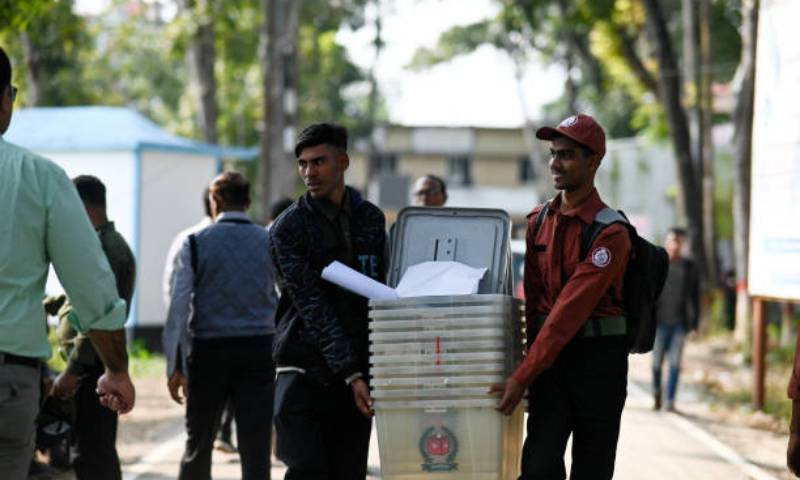
Alongside the parliamentary vote, Bangladeshis will participate in a national referendum on sweeping constitutional and governance reforms — an unprecedented development in the country’s electoral history.
This explainer breaks down what is happening, why it matters, and how the process works.
Why Are These Elections Important?
The February 2026 elections represent a turning point for Bangladesh’s democratic system.
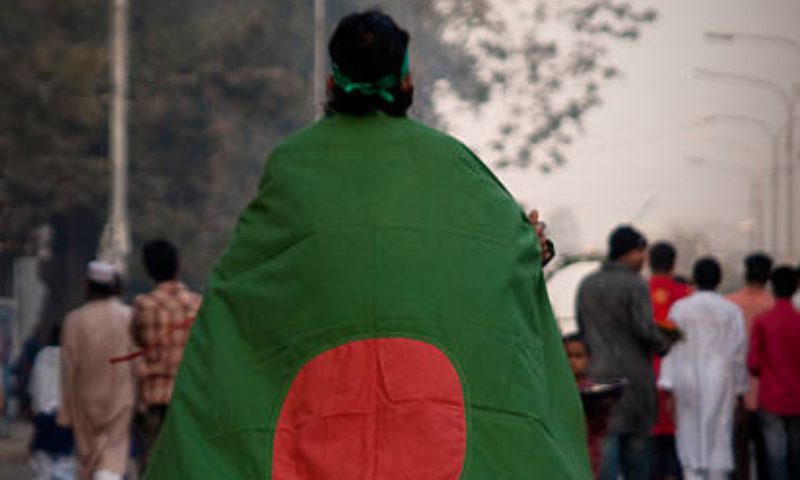
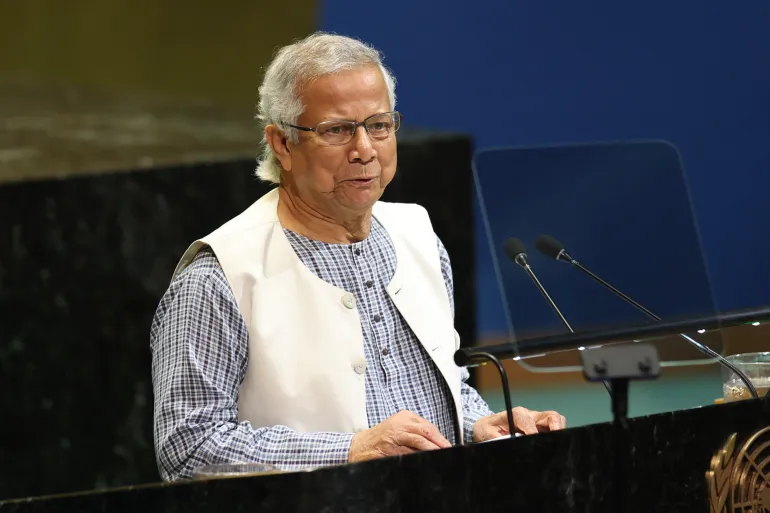
First, this is the first national vote since the abolition of the caretaker government system in 2011 to again be conducted under an interim administration framework. After the 2024 political crisis, Nobel Peace Prize laureate Muhammad Yunus was sworn in on August 8, 2024, to lead a caretaker government tasked with restoring order and organizing fresh elections.
Second, this election takes place without Sheikh Hasina’s Awami League party, which has been barred from participating following the protests that ended her 15-year rule. Her government was widely criticized by opposition groups for alleged repression, electoral manipulation, and centralization of power.
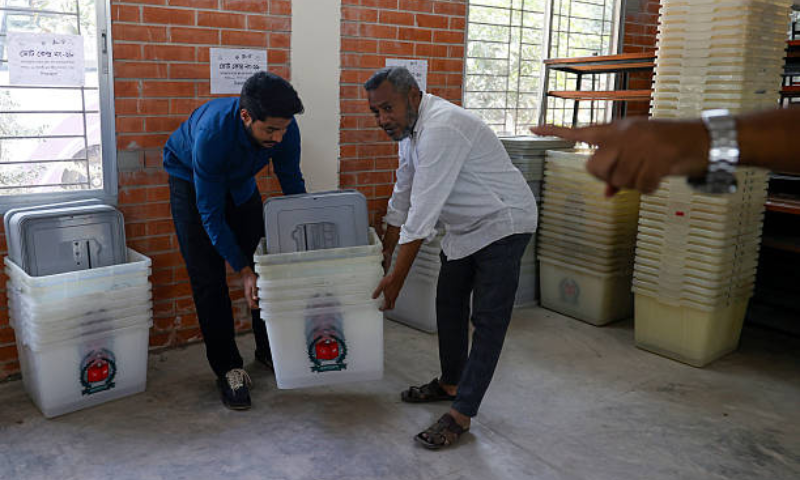
Third, the simultaneous national referendum significantly raises the stakes. Voters will not only choose Members of Parliament but also decide on a package of constitutional and institutional reforms intended to reshape the balance of power in the state.
In short, this vote is both about who governs next and how Bangladesh will be governed in the future.
What Triggered This Election?
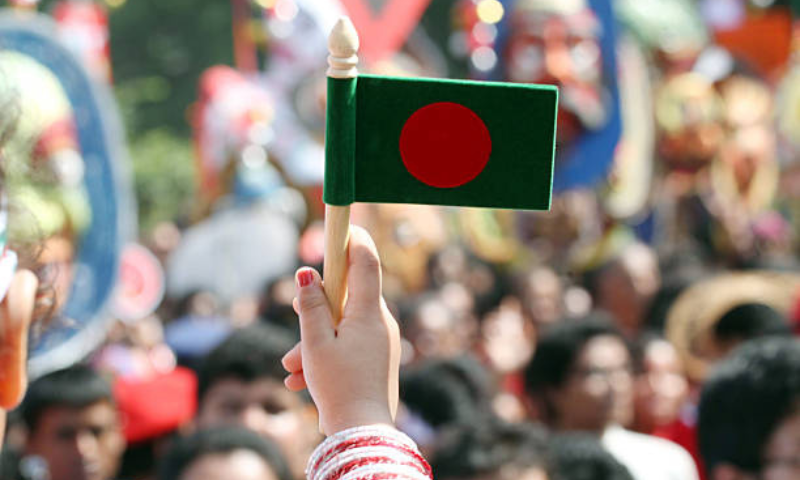
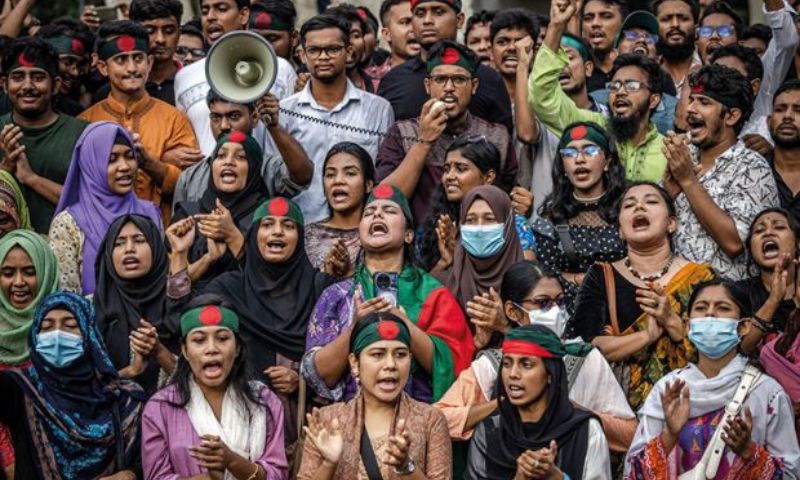
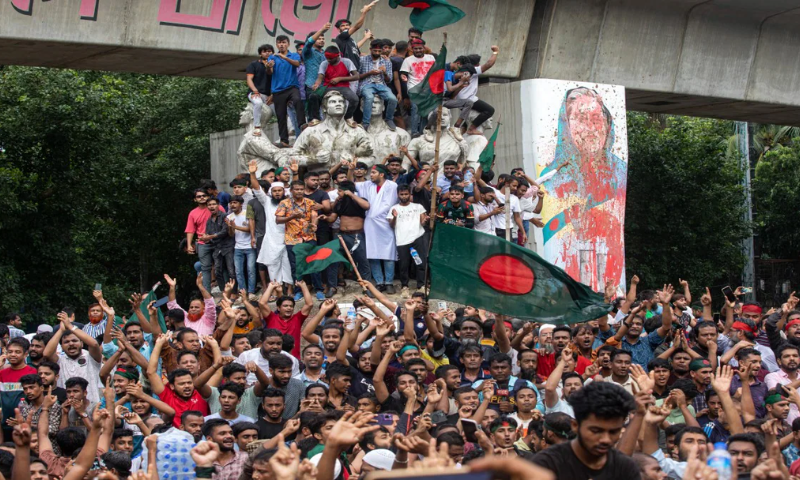
In 2024, student protests erupted over a controversial civil service job quota system. What began as opposition to employment rules escalated into a nationwide movement against the Hasina government.
The unrest resulted in more than 1,400 deaths, most attributed to security forces during violent crackdowns. Amid mounting pressure, Hasina resigned on August 5, 2024, and fled to India, where she remains in exile.
She was later sentenced to death in absentia by a special tribunal in Bangladesh for her role in the crackdown.
An interim administration under Muhammad Yunus was then established to stabilize the country and prepare for elections.
What Are Voters Deciding?
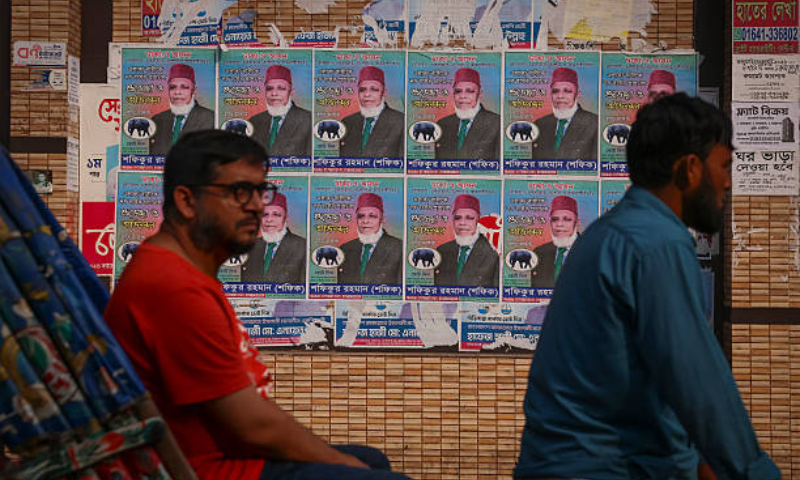
On Election Day, each voter will receive two ballots:
-
White ballot: To elect one Member of Parliament (MP) from their constituency.
-
Pink ballot: To vote Yes or No on a package of constitutional and institutional reforms in a national referendum.
The parliamentary election will determine the 300 directly elected members of the Jatiya Sangsad (National Parliament). An additional 50 seats are reserved for women and allocated proportionally to parties after the election.
The referendum asks voters to approve reforms addressing:
-
The structure and powers of caretaker or interim administrations during elections
-
The independence and authority of the Bangladesh Election Commission (BEC)
-
The balance of power among constitutional institutions
-
Mechanisms to strengthen electoral integrity
If approved by a simple majority of valid votes cast, the reforms will trigger constitutional and legislative implementation procedures.
Who Are the Main Political Parties?
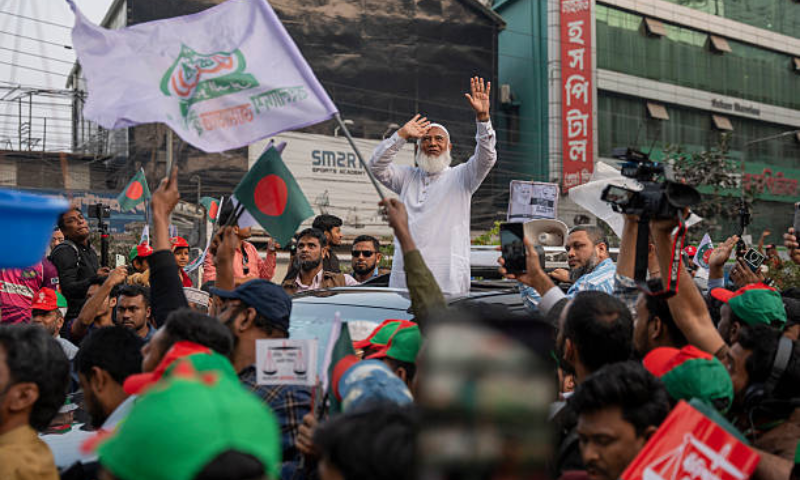
With the Awami League suspended from participation, the political field has been reshaped.
The main competitors include:
-
Bangladesh Nationalist Party (BNP)
-
Jamaat-e-Islami
-
Jatiya Party
-
Islami Andolan Bangladesh
-
Newly registered parties and independent candidates
Around 2,000 candidates are competing for 300 constituency seats. Notably, over 27 percent of candidates are between 25 and 44 years old, reflecting generational political shifts.
How Many People Are Voting?
The official voter list includes:
-
127,711,793 registered voters
-
64,825,361 men
-
62,885,200 women
-
1,232 third-gender voters
-
-
1,351,375 registered postal voters (both domestic and overseas)
Citizens who turned 18 by October 31, 2025, are eligible.
This makes it one of the largest electoral exercises in the world.
Where and How Will Voting Take Place?
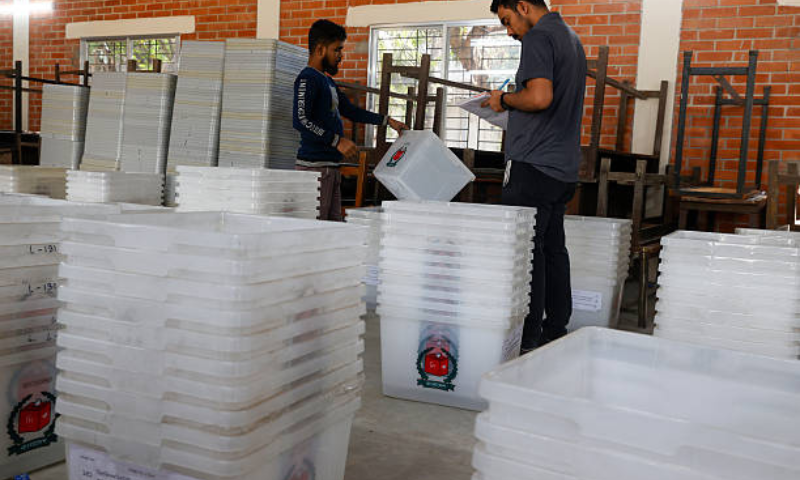
There are:
-
42,779 polling centers
-
247,499 polling booths
Voting hours are from 7:30 AM to 4:30 PM, extended by one hour compared to previous elections due to the dual-ballot process.
Key procedures include:
-
Voters must bring a National Identity Card (NID)
-
Postal ballots must reach returning officers by 4:30 PM on Election Day
-
Overseas voters cast ballots through a postal system
-
In-country postal voting is available for officials on election duty and certain other categories
Any voter inside the polling premises by 4:30 PM will be allowed to vote.
What Is the Structure of Government?
Bangladesh is a multiparty parliamentary democracy. The president, elected by parliament, serves largely ceremonial functions, while executive authority rests with the prime minister.
The 300 members of parliament are directly elected from single-member constituencies, with an additional 50 seats reserved for women and allocated proportionally.
For the 2026 electoral cycle, the interim administration is expected to limit itself to routine governance and avoid major policy decisions that could affect electoral competition
What Is the Role of the Bangladesh Election Commission (BEC)?
The BEC is a constitutional body consisting of a chief election commissioner and four commissioners.
Its responsibilities include:
-
Supervising all election-related matters
-
Appointing polling officials
-
Allocating polling centers
-
Managing the referendum
-
Certifying results
-
Resolving disputes
The BEC has expanded enforcement powers in 2026, including authority to sanction violations related to campaign finance, digital communications and misuse of state resources.
How Is Security Being Handled?
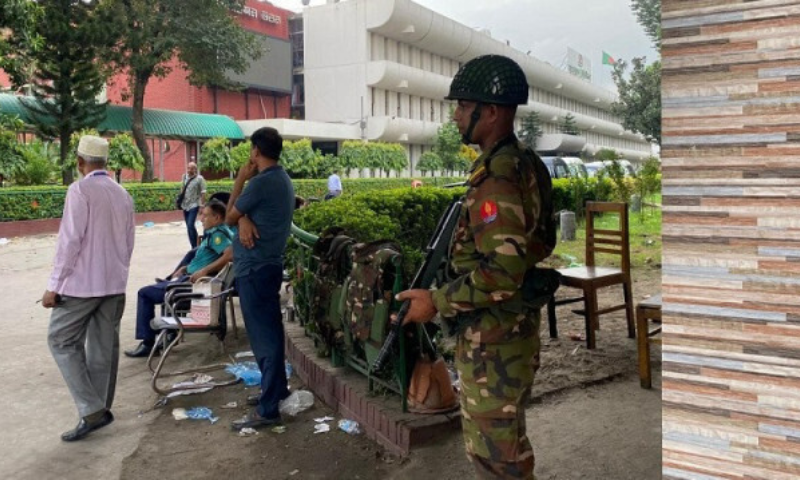
Security arrangements for the 2026 elections are among the most extensive in Bangladesh’s history.
Approximately 939,000 personnel from various agencies will be deployed, including:
-
Police
-
Border Guard Bangladesh
-
Rapid Action Battalion
-
Ansar forces
-
Armed Forces (Army, Navy, Air Force, Coast Guard)
-
National Cadet Corps
Security forces will remain mobilized before, during, and after Election Day to ensure a peaceful environment.
A national election situation room and results management system have been established for real-time monitoring.
When Will Results Be Announced?
Provisional results are expected on polling night or shortly thereafter.
Final certified results will be published in the Official Gazette after resolution of any complaints or legal challenges.
Parliamentary and referendum results will be announced separately.
Why This Vote Matters Internationally
For international observers, the 2026 elections are a test of:
-
Whether Bangladesh can conduct a competitive election under an interim framework
-
Whether institutional reforms can restore public confidence
-
Whether the political system can transition from protest-driven upheaval to stable democratic governance
Simultaneously holding a parliamentary election and a constitutional referendum represents an unprecedented institutional moment in Bangladesh’s electoral history.
The credibility and acceptance of the outcome will shape not only the next government, but also the long-term architecture of democracy in one of South Asia’s most populous nations.