



Key points
- Airbus recalled 6,000 A320 jets due to a software flaw affecting nose-angle control
- A manufacturing defect in fuselage panels prompted inspections and delayed some deliveries
- The incidents highlight risks of depending heavily on a single aircraft model for sales and profits
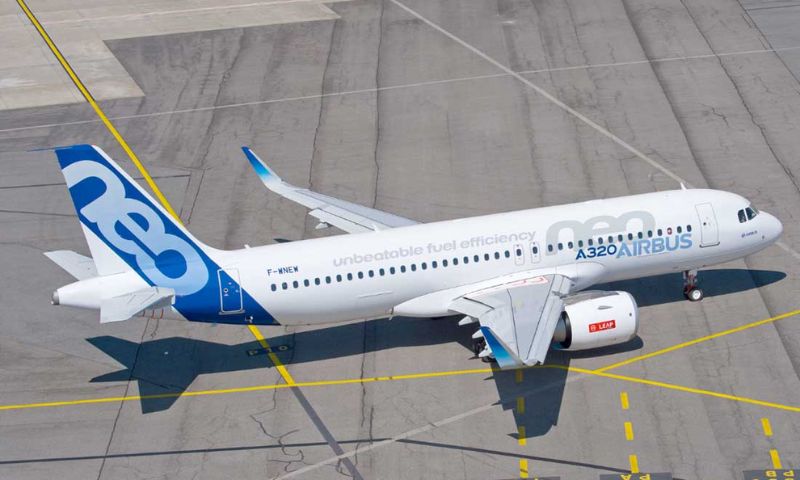
ISLAMABAD: Airbus has encountered two major problems with its A320 aircraft this week, underscoring the risks of relying heavily on one jet model.
According to international media, the company recalled approximately 6,000 A320 jets after discovering a software flaw that could affect the plane’s nose-angle control. Aviation insiders have nicknamed the issue the “Icarus bug,” linked to cosmic radiation that can interfere with aircraft electronics, Reuters reported on Sunday.
Shortly afterwards, Airbus discovered a manufacturing defect in the metal panels of certain A320 planes. While not considered a safety risk, the flaw required inspections and caused delays in some deliveries, affecting the company’s year-end delivery targets.
The A320 family, including the A321, accounts for the majority of Airbus sales and profits. Analysts warn that heavy reliance on a single model leaves the company vulnerable to operational disruptions, even as it continues to outperform Boeing’s 737 MAX as the most-delivered passenger jet in history.
According to Bloomberg, Airbus shares fell by around 3 per cent over the week, following an earlier drop of up to 11 per cent, as investors assessed the impact on deliveries and production schedules.
The company is under the regulator’s scrutiny, and some airlines are seeking guarantees on the quality of fuselage panels. Supply chain challenges remain, with Airbus working with suppliers to maintain production and quality standards amid rising global demand for air travel, according to AP News.
Airbus has said the fuselage flaw is not a safety concern, and supply chains are gradually improving after pandemic disruptions. Experts note the software issue highlights aviation’s vulnerability to cosmic rays and solar activity, which can interfere with modern aircraft electronics.