


GAZA CITY, Palestine: International humanitarian organisations are scrambling to assess the impact of Israel’s decision to revoke the licences of more than three dozen aid groups working in Gaza, a move that could significantly limit aid to a population facing severe food shortages and a fragile health system after more than two years of Israeli military offensive.
Israel this week suspended the licences of 37 nongovernmental organisations (NGOs), including Doctors Without Borders (MSF), Oxfam, the Norwegian Refugee Council (NRC) and Medical Aid for Palestinians.
The groups represent some of the most prominent NGOs operating in Gaza alongside United Nations agencies.
Under the decision, the organisations must halt operations by March 1. Israel will no longer allow them to bring supplies into Gaza or deploy international staff to the Palestinian territory.
Aid access severely restricted
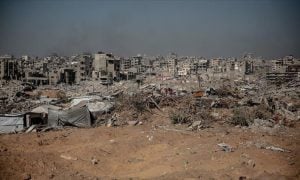
The ban comes as humanitarian conditions in Gaza remain dire.
The United Nations World Food Programme has warned that supplies entering the enclave fall far short of nutritional needs, with deliveries well below a daily target of 2,000 tonnes.
Only two border crossings into Gaza are open, and Israel tightly controls aid flows.
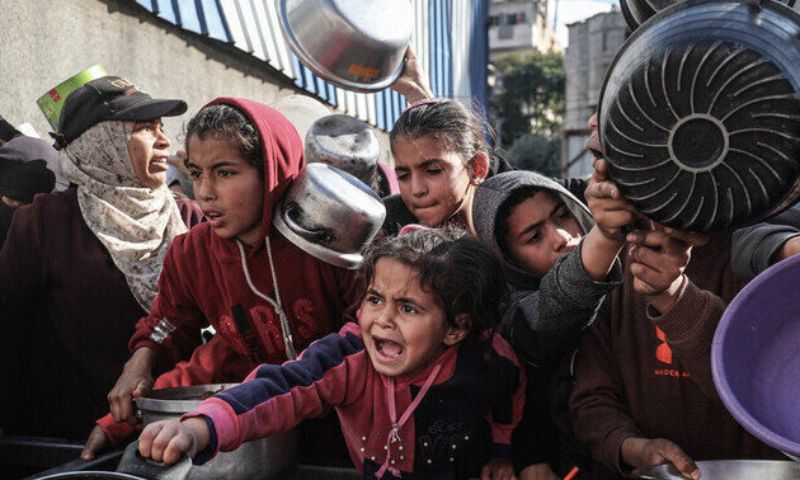
Gaza’s more than 2 million residents continue to face widespread hunger, high food prices and shortages of shelter.
The UN says more than a quarter of families eat only one meal a day, while over one million people need improved tents as winter storms batter the territory.
Gaza’s health ministry said that at least 71,386 Palestinians have been killed and 171,264 injured in the Israeli military offensive since October 7, 2023.
The ministry reported that three people were killed and 13 injured in the past 48 hours, with many victims still trapped under rubble.
Since a ceasefire came into effect on October 11, at least 421 Palestinians have been killed and 1,184 injured, with 684 bodies recovered from debris.
Israeli restrictions on aid supply
Earlier this year, Israel introduced stricter registration requirements for aid agencies working in Gaza.
The rules require organisations to provide names and personal details of local and international staff and allow Israel to deny registration based on criticism of Israeli policy.
Israel says the measures are intended to prevent Hamas and other Palestinia groups from infiltrating aid organisations.
The United Nations and independent NGOs reject Israeli allegations of widespread diversion of aid by Hamas.
Aid groups say they refused to comply with the new requirements partly out of concern that sharing staff information could put workers at risk.
According to the UN, more than 500 aid workers have been killed during the Israeli military offensive in Gaza.
“Demanding staff lists as a condition for access to territory is an outrageous overreach,” MSF said, adding that Israeli officials had rejected its efforts to find alternative arrangements.
Gaza’s shattered health system
An Israeli government report issued in December recommended rejecting MSF’s licence, citing public statements in which the group criticised Israel’s military campaign in Gaza.
The report said such statements violated neutrality and amounted to the “delegitimisation of Israel”.
Aid groups have until January 7 to appeal the licence suspensions.
Aid officials say medical services could be among the hardest hit. Independent NGOs play a critical role in supporting Gaza’s shattered health system.
MSF said the decision would have a catastrophic impact on its work.
The organisation supports six hospitals, runs two field hospitals and eight primary healthcare facilities, and operates two of Gaza’s five centres treating children with severe malnutrition.
MSF says its teams have treated 100,000 trauma cases, performed surgery on 10,000 patients and assisted with a third of all births in Gaza.
It employs more than 1,200 local staff and about 60 international staff in Gaza and the West Bank.
Since the ceasefire began, MSF has delivered about 7% of the 2,239 tonnes of medical supplies allowed into Gaza, making it the largest supplier after UN agencies and the Red Cross, according to UN data.
Medecins du Monde, another organisation affected by the ban, operates four primary health clinics in Gaza.