


Key points
- Algeria highlights its colonial history to seek compensation
- Economic cost of colonialism in Africa estimated in trillions
- Macron acknowledges colonial war crimes, avoids apology
ALGIERS, Algeria: African leaders convened on Sunday to push for the recognition, criminalisation, and redress of colonial-era crimes through reparations. At a conference in Algiers, diplomats and leaders worked to advance a resolution passed earlier this year by the African Union, calling for justice and reparations for victims of colonialism.
In his opening speech, Algerian Foreign Minister Ahmed Attaf highlighted Algeria’s experience under French rule as a basis for seeking compensation and reclaiming stolen property. He stated that a legal framework was necessary to ensure restitution is regarded as “neither a gift nor a favour,” reports AP News.
“Africa is entitled to demand the official and explicit recognition of the crimes committed against its peoples during the colonial period, an indispensable first step toward addressing the consequences of that era, for which African countries and peoples continue to pay a heavy price in terms of exclusion, marginalisation and backwardness,” Attaf emphasised.
While international conventions outlaw practices like slavery, torture, and apartheid, the United Nations Charter does not explicitly mention colonialism. This absence was central to discussions at the African Union’s February summit, where leaders proposed developing a unified position on reparations and formally defining colonisation as a crime against humanity.
Economic cost of colonialism in Africa
The economic cost of colonialism in Africa is believed to be immense, with estimates placing the cost of plunder in the trillions. European powers extracted vast wealth, particularly through gold, rubber, diamonds, and other minerals, often employing brutal methods, leaving local populations impoverished. In recent years, African nations have increasingly called for the return of looted artifacts still housed in European museums.
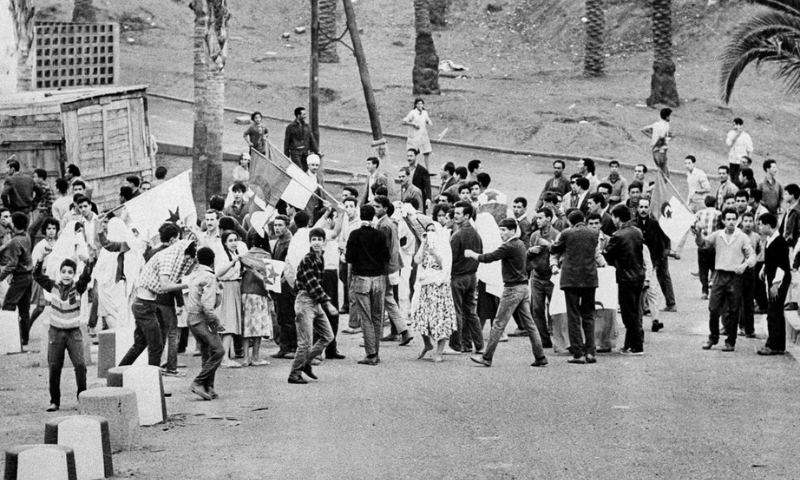
Attaf noted that the conference’s location in Algeria was significant, given the country’s brutal experience under French colonial rule and the bloody war it fought for independence. The war cost hundreds of thousands of lives, with French forces employing torture, forced disappearances, and destruction of villages in their counterinsurgency efforts.
Algeria’s bitter ordeal
“Our continent retains the example of Algeria’s bitter ordeal as a rare model, almost without equivalent in history, in its nature, its logic and its practices,” Attaf remarked.
Algeria’s experience has also shaped its position on the disputed Western Sahara, which it regards as “Africa’s last colony.” Attaf echoed the African Union’s stance, advocating for the Sahrawi people’s right to self-determination.
For decades, Algeria has pressed for colonialism to be addressed through international law, while cautiously navigating sensitive relations with France.
French President Emmanuel Macron, in 2017, acknowledged elements of the war as a crime against humanity but refrained from offering an official apology. Mohamed Arezki Ferrad, an Algerian parliamentarian, stated that compensation must be more than symbolic, noting the ongoing absence of returned looted Algerian artifacts, including a 16th-century cannon in Brest.