ISLAMABAD: When US forces withdrew from Afghanistan in August 2021, the end of a 20-year war was framed as the closing of a chapter. Instead, many security analysts now argue it marked the beginning of a new and more complex phase — one in which Afghanistan has re-emerged as a central node in the global militant ecosystem.
Multiple UN-linked assessments and independent security reports warn that the country’s evolving landscape presents serious regional and transnational risks.
A Sanctuary Reconfigured
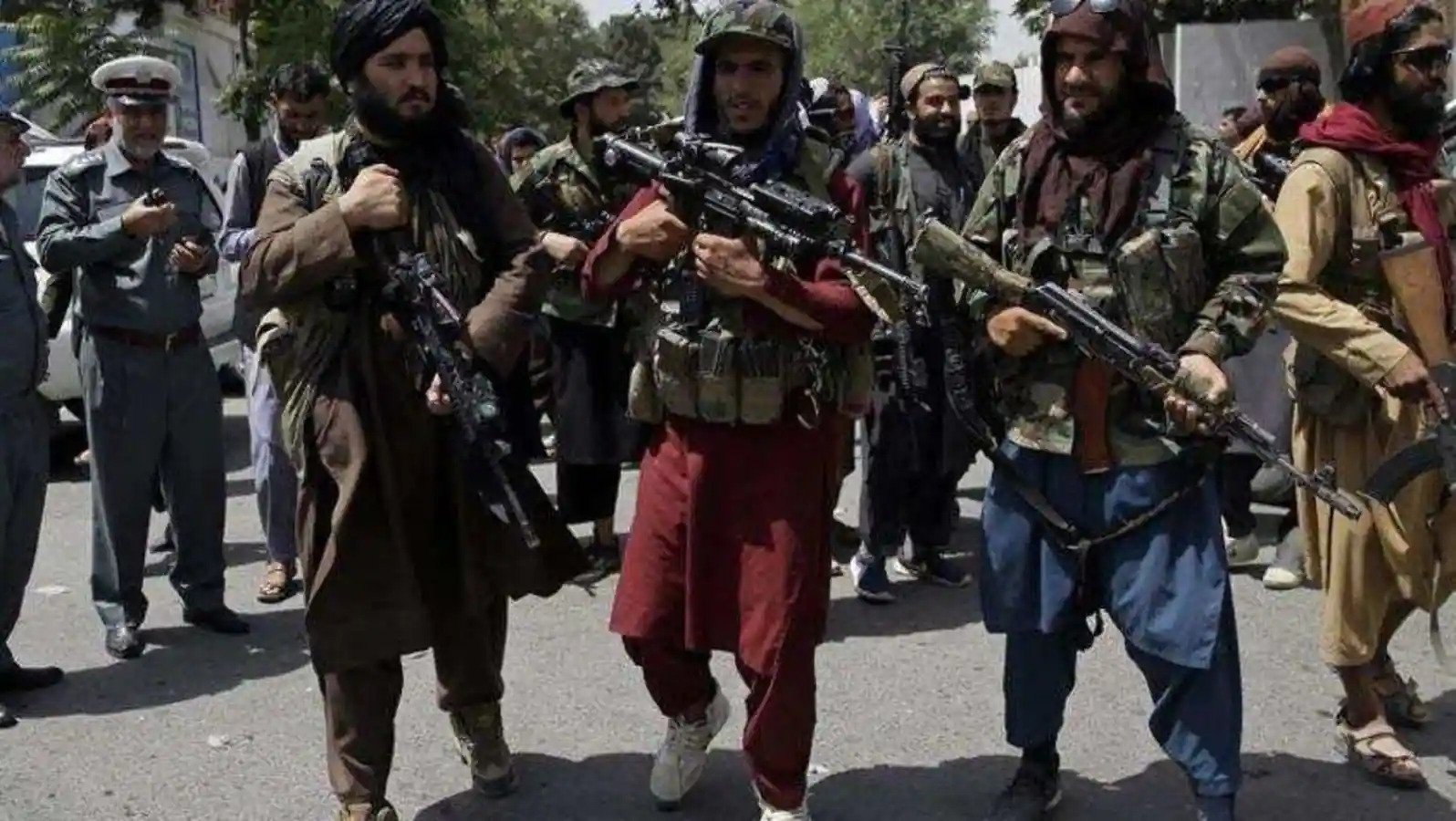
Under Taliban rule, Afghanistan is no longer a battlefield between foreign troops and insurgents. It is, instead, a state governed by a movement that once fought as an insurgency — and whose historical ties to transnational Terrorist groups remain a source of international concern.
Reports have highlighted that Al-Qaeda enjoys greater freedom of movement than during the final years of the previous Afghan government.
At the same time, the Islamic State–Khorasan Province (ISKP) has expanded operational ambition, attempting attacks beyond Afghanistan’s borders and recruiting across Central and South Asia.
According to recent global terrorism assessments, the Islamic State group remains the deadliest organisation worldwide, with operations spanning more than 20 countries.
Though much of its lethal activity remains concentrated in Syria and parts of Africa, ISKP’s presence in Afghanistan signals its intent to project influence regionally and internationally.
The fear among Western and regional intelligence services is not necessarily of an immediate 9/11-style attack — but of Afghanistan once again serving as permissive terrain for planning, training, and coordination.
Regional Shockwaves
The most immediate spillover has been felt in Pakistan.
Since 2021, attacks attributed to the Afghanistan-based terrorist group Tehreek-e-Taliban Pakistan (TTP) have surged, particularly in Khyber Pakhtunkhwa and Balochistan. Global terrorism data indicate that the TTP has been among the fastest-growing militant groups in terms of attributed deaths.
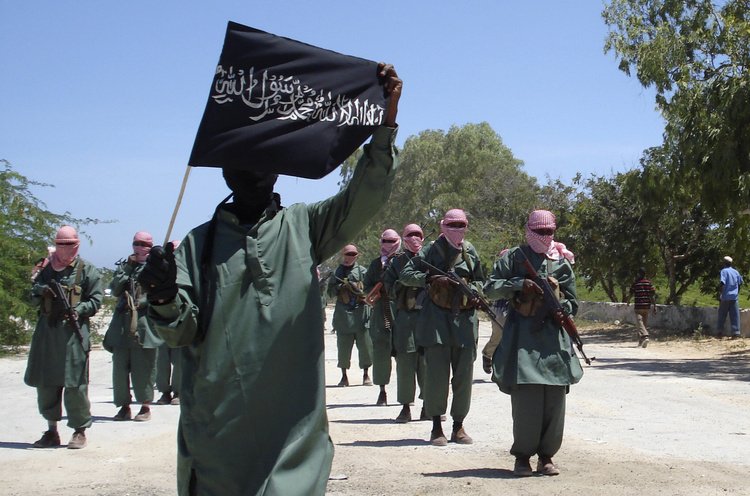
Islamabad has consistently maintained that durable regional stability depends on decisive action against all militant sanctuaries operating across borders.
Pakistani officials argue that safe havens for groups such as the Tehreek-e-Taliban Pakistan (TTP) directly undermine Pakistan’s security and the wider fight against terrorism.
While Kabul denies allowing its territory to be used against other states, Pakistan has repeatedly called for concrete, verifiable steps to dismantle cross-border networks.
The issue highlights a broader counterterrorism challenge: when former insurgent movements become governing authorities, they face a critical test of credibility — whether they can sever ties with armed ideological affiliates and prevent their soil from being used to threaten neighbouring countries.
Weapons and Resources
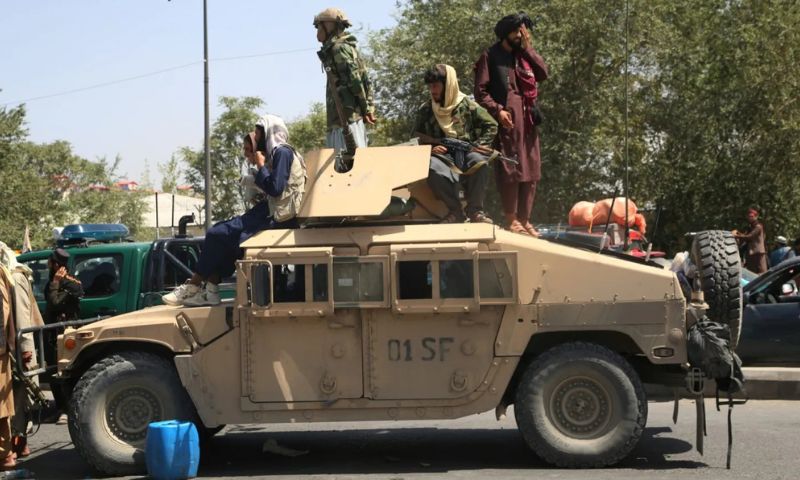
Another destabilising factor is the vast stockpile of military hardware left behind after the US withdrawal.
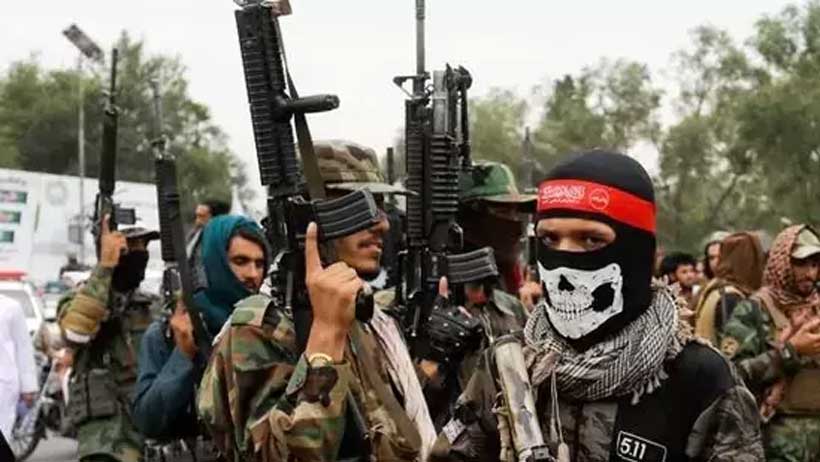
Aircraft, armoured vehicles, and hundreds of thousands of small arms fell into Taliban hands in 2021. While much of the heavier equipment is reportedly inoperable, small arms proliferation remains a long-term security concern.
Beyond weapons, funding streams also matter. Analysts point to a mix of state revenue collection, humanitarian aid flows, and illicit financial networks as sustaining Afghanistan’s de facto authorities — complicating international efforts to use sanctions as leverage without worsening humanitarian conditions.
A Global Context
The broader global terrorism picture is itself shifting. Recent data shows:
-
Terrorist attacks in parts of the West have increased, even as total incidents globally have declined.
-
Lone-actor attacks account for the vast majority of fatal incidents in Western countries.
-
Youth radicalisation is rising, with some Western states reporting that one in five terror suspects is under 18.
-
The Islamic State remains active across multiple theatres, while regional affiliates adapt to local grievances.
In this environment, Afghanistan’s trajectory carries disproportionate symbolic and strategic weight.
Between Governance and Militancy
The Taliban insist they will not allow Afghan soil to be used against other countries. Yet international monitors argue that ideological alignment and historic relationships blur the line between tolerance and control.

Afghanistan today is not identical to the pre-2001 emirate. It faces economic collapse, diplomatic isolation, and a humanitarian crisis. But it also operates with limited external oversight and reduced counterterrorism pressure.
That combination — isolation, armed networks, and weak accountability — makes it uniquely volatile.
The Strategic Question
Is Afghanistan “the” epicentre of terrorism? The answer depends on the definition.
Afghanistan occupies a uniquely consequential position. It is a country governed by a movement that itself emerged from insurgency, with historical ties to transnational jihadist groups. It sits at the crossroads of South Asia, Central Asia, and the broader Middle East — a geography that amplifies its strategic significance.
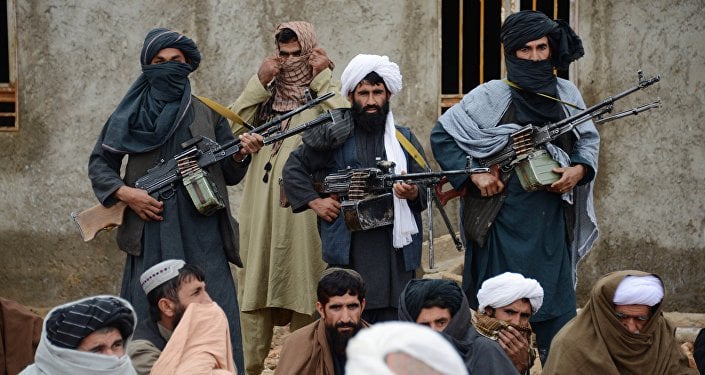
The direction it takes next — whether toward pragmatic state consolidation and tighter control over armed networks, or toward deeper tolerance of transnational militancy — will influence regional and global security calculations.
For the international community, the dilemma is acute: how to mitigate security threats linked to Afghanistan without further isolating a population already enduring economic collapse and humanitarian crisis.
Afghanistan may no longer be an active international war zone, but it remains one of the world’s most sensitive and strategically consequential security arenas.