
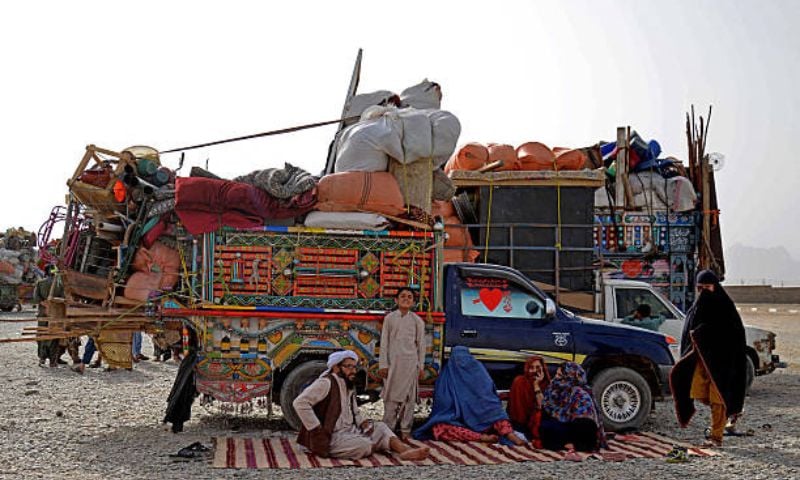
KABUL: Around 3.1 million people were displaced in Afghanistan in 2025 because of economic pressures, food insecurity and natural disasters, according to a report by REACH, a Geneva-based humanitarian research initiative.
The report said poverty and unemployment were the leading factors behind emergency and involuntary displacement among Afghan households, accounting for 85 per cent of reported cases. Lack of access to food and drought were also identified as major drivers of displacement.
REACH said hundreds of thousands of Afghans were forced to leave their homes during 2025 amid unemployment, financial hardship and natural disasters, including droughts, floods and earthquakes. Severe flooding in eastern Afghanistan also resulted in deaths and economic losses.
The research found that 95 per cent of displaced households had no short-term plans to return to their places of origin, largely because continuing livelihood problems and damaged infrastructure made returning difficult.
Poverty also prevented some families from moving to safer locations, with many unable to afford the costs associated with relocation.
Drought and natural disasters
Nimroz province in southwestern Afghanistan recorded the country’s highest displacement rate at 15 per cent, with severe drought and the destruction of agricultural land cited among the main causes.
The report identified Kabul, Herat, Mazar-e Sharif and Jalalabad as major destinations for people seeking to resettle after displacement.
REACH also highlighted difficulties faced by women during emergency evacuations, pointing to restrictions and requirements that can make movement during natural disasters more difficult.
The findings add to concerns over Afghanistan’s prolonged humanitarian and livelihood challenges. A separate 2026 annual report on internal displacement cited in the source estimated that around seven million people remained internally displaced in Afghanistan last year due to prolonged conflict and natural disasters.