


BANGKOK: In 2025, Afghanistan saw a sharp escalation in restrictions on women, girls, and the media under Taliban rule, Human Rights Watch reported in its World Report 2026.
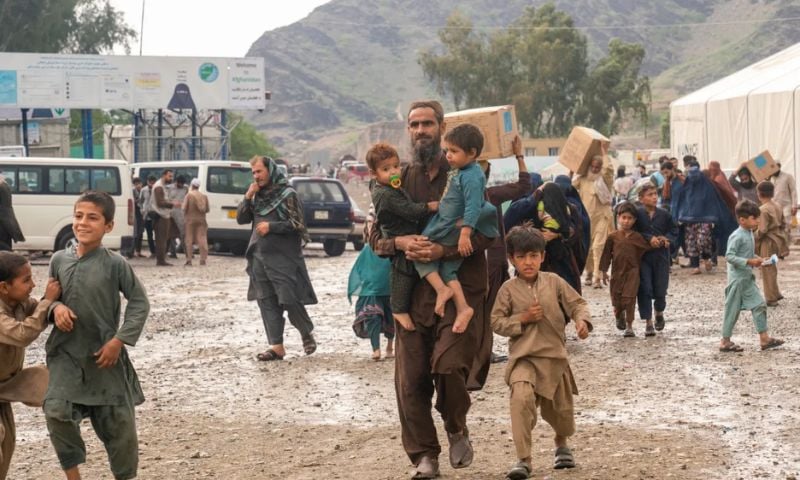
At the same time, the country’s humanitarian crisis deepened as foreign aid dwindled and millions of Afghan refugees were forcibly returned.
The report details how millions of Afghans, especially women and girls, are confronting intensified restrictions under Taliban authorities, alongside growing food insecurity due to cuts in foreign aid and the forced return of refugees.
“Governments need to press the Taliban to end abuses while also addressing Afghanistan’s humanitarian needs and protecting refugees,” said Fereshta Abbasi, Afghanistan researcher at Human Rights Watch. “The international community must support accountability efforts to ensure justice for serious crimes committed in Afghanistan.”
The 529-page World Report 2026, its 36th edition, reviews human rights practices in over 100 countries. Executive Director Philippe Bolopion notes that defending fundamental freedoms against an authoritarian wave is one of the defining challenges of this generation. He urges democracies and civil society to build strategic alliances to protect human rights worldwide.
In Afghanistan, the Taliban enacted stricter rules that limit women’s freedom of movement, access to public spaces, and employment, while maintaining bans on post-primary education.
UN experts have described these measures as “gender apartheid.” In July, the International Criminal Court issued arrest warrants against senior Taliban leaders for gender persecution as a crime against humanity.
On October 6, the UN Human Rights Council established an independent mechanism to investigate ongoing and past rights abuses in Afghanistan.
Media freedom has also been curtailed, with new restrictions and arbitrary detentions of journalists and critics. Morality laws remain in force, targeting people for alleged violations, such as improper hijab use or insufficient gender segregation at workplaces. Aid reductions and Taliban policies have further reduced the number of active journalists.
The humanitarian situation has worsened as massive aid cuts by the US and other countries, combined with forced refugee returns, have left over 22 million people at risk of food insecurity, disproportionately affecting women and girls.
Human Rights Watch calls on governments to press the Taliban to halt abuses while providing humanitarian support, and to avoid returning Afghans to conditions that threaten their safety. UN member states have been urged to fund and support the new investigative mechanism in Afghanistan.