


ISLAMABAD: Violence escalated sharply across Pakistan in 2025, with the surge blamed on terrorist groups based in Afghanistan, as attacks rose by 34 percent compared with the previous year, according to a new assessment by the Pak Institute for Peace Studies (PIPS).
The surge comes amid growing concern in Islamabad over Afghan-based terrorists sanctuaries and their role in sustaining cross-border violence.
The Pakistan Security Report 2025 recorded 699 terrorist incidents nationwide, highlighting persistent security pressures despite stepped-up counterterrorism operations. Fatalities linked to terrorism rose by 21 percent year-on-year, with at least 1,034 people killed and 1,366 injured.
Security and law-enforcement personnel remained the primary targets, accounting for more than 42 percent of all deaths. Analysts say the figures reflect both the intensity of militant operations and the central role of security forces in confronting armed groups.
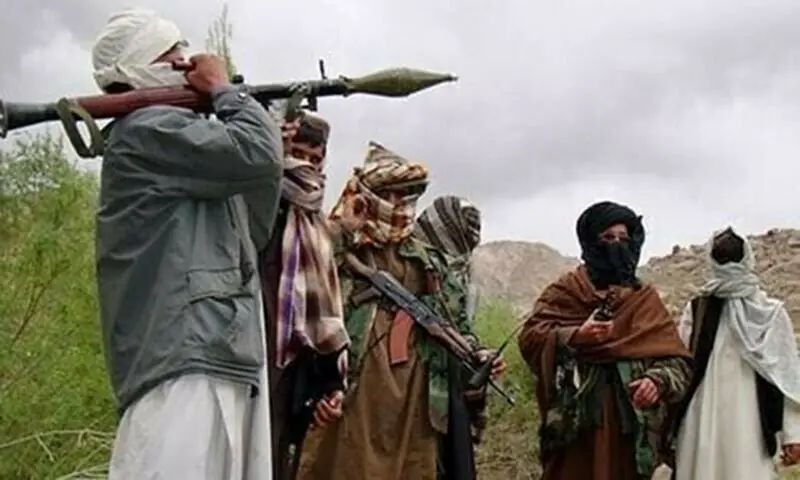
Pakistani authorities attribute the bulk of the violence to the Tehrik-i-Taliban Pakistan (TTP), which they say continues to operate from bases inside Afghanistan. Islamabad maintains that the group enjoys protection under the Afghan Taliban, despite repeated assurances since August 2021 that Afghan territory would not be used for attacks against neighbouring countries.
Security analysts argue that Afghanistan has once again emerged as a permissive environment for multiple militant organisations, several of which are banned in Pakistan. From these safe havens, groups are able to plan, coordinate and direct operations across the border with relative ease.
Many TTP fighters relocated to Afghanistan during Pakistan’s earlier counterterrorism campaigns and have since entrenched themselves in eastern provinces including Khost, Paktika, Paktia and Kunar. Once contested areas, these regions are now described by analysts as secure rear bases where militants regroup after carrying out attacks inside Pakistan.
A senior TTP commander, speaking on condition of anonymity, said the group now operates with unprecedented freedom, with fighters and their families settled across multiple Afghan provinces. He claimed that influential Taliban figures provide protection and facilitate cross-border movement.
Islamabad warns that the continued presence of militant sanctuaries undermines regional stability and erodes trust in peace commitments, arguing that without decisive action against armed groups operating from Afghan soil, violence in Pakistan is likely to remain entrenched.
Civilians Bear Heavy Toll
Civilians also paid a heavy price, with 354 non-combatants killed in militant attacks. At the same time, 243 militants lost their lives, either during suicide operations or in subsequent clashes with security forces.
The report points to a strong regional concentration of violence, with over 95 per cent of attacks occurring in Khyber Pakhtunkhwa (KP) and Balochistan. KP alone witnessed 413 attacks — a 40 per cent increase — reflecting the sustained activity of banned groups such as Tehreek-i-Taliban Pakistan (TTP).
In Balochistan, 254 attacks were recorded, marking a 26 per cent rise. Militants adopted more sophisticated and high-impact tactics, including highway blockades and attacks on economic infrastructure, signalling an evolution in the insurgency’s operational approach.
Elsewhere, militant activity remained comparatively limited. Sindh recorded 21 attacks, mostly in Karachi, while Punjab saw seven incidents, fewer than in 2024. Gilgit-Baltistan reported three attacks, primarily targeting security forces.
Security analysts note that the continued instability in Pakistan’s western regions is closely linked to cross-border militancy and shifting regional dynamics following the Taliban’s return to power in Afghanistan in 2021.
While Pakistan has intensified counterterrorism operations, experts warn that long-term stability will depend on a combination of regional cooperation, economic development, and political engagement, alongside military measures.