



KEY POINTS
- 10,000–15,000 containers of Afghan transit goods stranded.
- Monthly bilateral trade previously stood at $200 million.
- Clashes between Pakistani forces and Taliban sparked border closure.
- Taliban demand borders remain open under any circumstances.
- Pakistan stresses trade must align with border security guarantees.
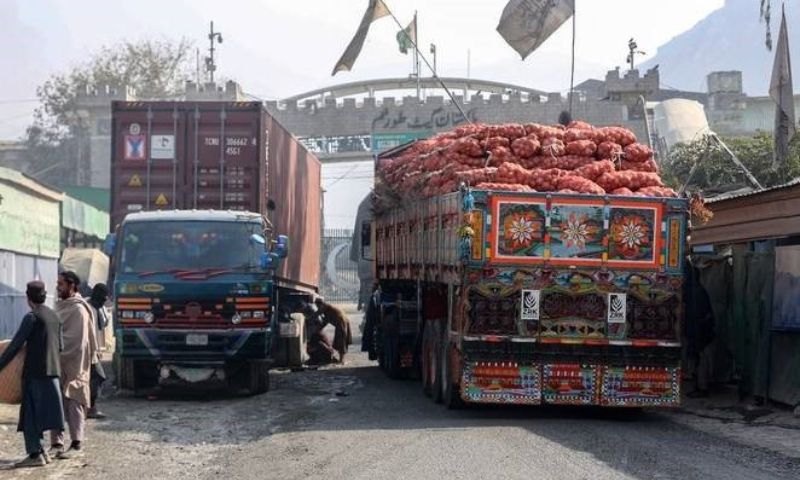
ISLAMABAD: The ongoing closure of key border crossings between Pakistan and Afghanistan, triggered by security concerns along the frontier, has disrupted bilateral trade, with Afghan traders reporting heavy losses, including spoilage of nearly $50 million worth of grapes.
Khan Jan Alokozay, board member of the Afghanistan Chamber of Commerce and Investment, said the shutdown has caused significant financial damage to Afghan exporters and transit traders. “Afghan grapes estimated at nearly $50 million were spoiled during exports,” Alokozay told Kabul-based Amu TV, while noting that Pakistani vegetable exports are also affected.
Afghan losses mount
He said that 10,000 to 15,000 containers of Afghan transit goods remain stranded at Pakistani ports. Prior to the closure, monthly trade between the two countries was about $200 million. The prolonged disruption has stalled factories, strained local markets, and impacted farmers and orchard owners, he added.
Security concerns remain
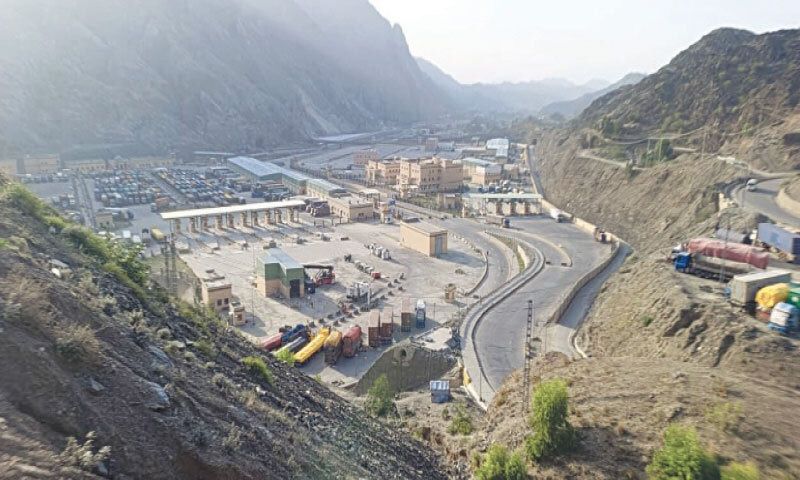
The border shutdown followed clashes between Pakistani forces and Afghan Taliban fighters along the frontier. Pakistan has repeatedly emphasised that border security is paramount and that trade can only resume safely once guarantees are provided ensuring uninterrupted access. Multiple rounds of negotiations in Doha, Istanbul, and Riyadh have yet to yield a formal agreement.
Taliban deputy chief minister for economic affairs, Abdul Ghani Baradar, has insisted that borders should remain open “under any circumstances, whether during conflict or normal conditions.” Pakistan, however, maintains that trade facilitation must be balanced with the protection of its borders and citizens.
Commitment to cooperation
Officials stress that Pakistan remains committed to regional trade and economic cooperation, but reiterate that security guarantees and operational safeguards are essential before full-scale cross-border commerce can resume. Meanwhile, Afghan traders continue to face mounting losses, underscoring the need for a mutually responsible and secure approach to border management.