

Key Points
- Asian markets retreat, with South Korean and Japanese shares leading regional losses
- Tech stocks come under pressure despite strong earnings from US chipmaker AMD
- Investors assess US midterm election results, dollar movements and geopolitical risks
ISLAMABAD: Asian stocks fell on Wednesday as technology shares led regional losses, with investors assessing the implications of US midterm election results during the early trade.
Beyond the US election uncertainty, investors were also wary of the sustainability of heavy investment in artificial intelligence.
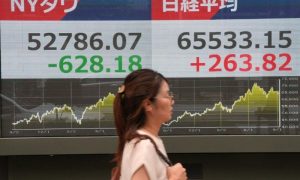
The MSCI’s broadest index of Asia-Pacific shares outside Japan fell 0.5 per cent, reversing earlier gains. South Korea’s Kospi declined 1.6 per cent, while Japan’s Nikkei dropped 3 per cent after returning from a holiday.
The stock posted losses despite encouraging results from US chipmaker Advanced Micro Devices (AMD).
The leading American chipmaker reported stronger-than-expected third-quarter earnings and forecasts. The AMD results offered some reassurance about demand for artificial intelligence technology.
Investors, however, remained concerned about the sustainability of the AI investment boom and elevated technology stock valuations.
US election uncertainty
US election uncertainty also weighed on sentiment as investors assessed the potential implications of Tuesday’s midterm elections for President Donald Trump’s economic and regulatory agenda.
Democrats secured important victories in Senate races, while early results suggested they could gain control of the House of Representatives.
The outcome could influence government spending priorities, fiscal policy and regulatory scrutiny of major technology companies.
US stock futures declined, with S&P 500 futures contracts falling 0.8 per cent and Nasdaq futures losing 1.8 per cent, reflecting particular pressure on technology shares.
The dollar weakened 0.32 per cent against a basket of major currencies, while the yield on the benchmark 10-year US Treasury note fell six basis points to 4.906 per cent, indicating increased demand for government bonds.
Oil prices also remained volatile as investors monitored diplomatic efforts to end the wars in Ukraine and Iran, alongside continuing risks to energy supplies.
Crude fell to a four-week low in the previous session on hopes of progress toward ending the conflicts.
However, concerns over attacks and disruptions to shipping through the Strait of Hormuz continued to influence energy markets.
READ ALSO: Asian Stocks Mixed as Tech Shares Struggle to Recover
The strategic waterway previously handled about one-fifth of global oil supplies, making developments around its shipping routes a major concern for energy markets and inflation expectations.
Meanwhile, China’s central bank announced an increase in the foreign-exchange reserve requirement for financial institutions from 4 per cent to 6 per cent, effective November 15.
The People’s Bank of China‘s measure aims to discourage excessive yuan appreciation after its recent strength against the dollar.
Investors are expected to remain cautious as they assess the final US election results, technology companies’ earnings prospects and geopolitical developments.
Whether major technology companies can sustain growth and justify substantial artificial intelligence investments will remain an important factor shaping market sentiment.