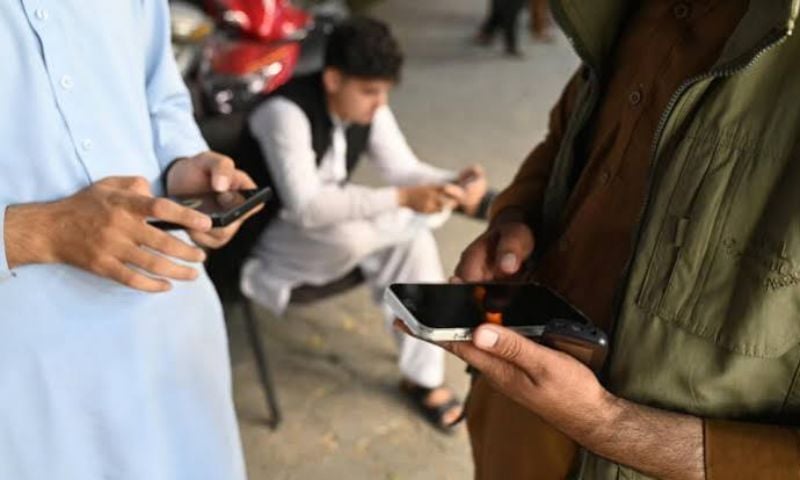
KABUL, Afghanistan: The Taliban regime’s higher education ministry has banned university students across Afghanistan from using smartphones.
Students have expressed concern that the restriction will prevent them from recording lectures, taking notes and accessing educational materials.
On Monday, the Taliban regime’s interim deputy minister of higher education for student affairs announced an immediate ban on the use of smartphones by students during university classes.
According to Afghanistan International, citing an official notice, students are no longer permitted to use smartphones during lectures.
The Taliban’s Ministry of Higher Education has banned university students across Afghanistan from using smartphones during classes.
https://t.co/7tUcMB866s https://t.co/nqs7KbHma8— Afghanistan International English (@AFIntl_En) November 3, 2026
Students at a private university in Kabul told Afghanistan International that mobile phones were essential tools for learning.
Students said that, in addition to the smartphone ban, members of the Taliban regime were stationed outside private universities, where they harassed students over their clothing, lack of beards or failure to wear turbans, Afghanistan International reported.
Previously, Afghanistan International reported that the Taliban had prohibited lecturers, staff and students from using smartphones at several universities and educational institutions across the country.
Meanwhile, UN Special Rapporteur Richard Bennett told a meeting on Afghan youth at the United Nations that the Taliban regime’s policies have severely restricted or eliminated opportunities for young Afghans.
Bennett said young Afghans continue to aspire to study, find meaningful employment, start families and contribute to their communities, but many of those paths have been closed off under Taliban rule.
“Afghanistan’s youth aspire to pursue higher education, find meaningful employment, achieve financial independence, start families, participate in public life and serve their communities,” Bennett said. “Yet today in Afghanistan, many of these opportunities have either been severely restricted or completely taken away.”
Bennett spoke at an event titled “Afghan Youth at a Crossroads: Rights, Aspirations, Challenges and Opportunities,” which brought together Afghan youth, diplomats and human rights advocates, including participants joining from inside Afghanistan.
Women and girls continue to face the most extensive restrictions. Girls are barred from formal education beyond the sixth grade and women from universities, while the Taliban regime has imposed wide-ranging restrictions on women’s employment, movement and participation in public life.
UNICEF reported in August that more than 2.6 million Afghan girls had been denied secondary education since the Taliban returned to power in 2021.
Nuala Ní Mhuircheartaigh, Ireland’s deputy permanent representative to the United Nations, said the quality of boys’ education had deteriorated because of factors including the loss of qualified female teachers, shortages of specialist educators and the removal of key subjects from school curricula.