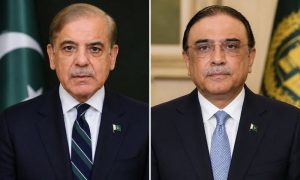
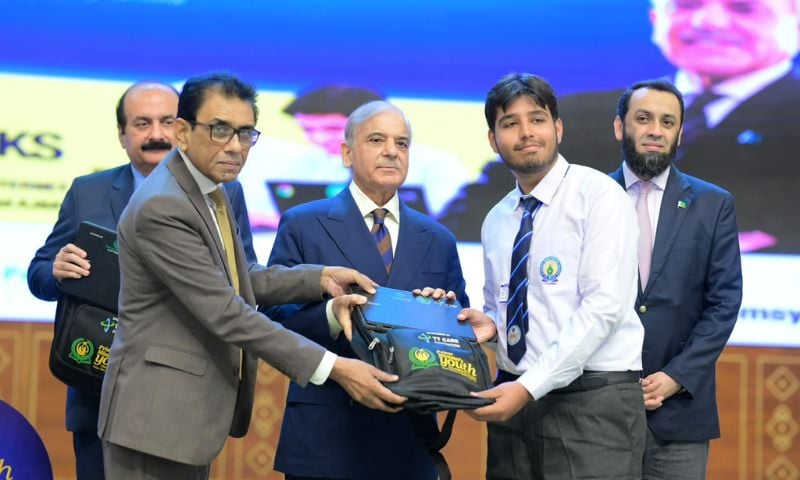
ISLAMABAD: Pakistan will distribute 500,000 Chromebooks to talented students in public schools and religious seminaries over the next two years, Prime Minister Shehbaz Sharif has announced.
The programme will also provide students with internet connectivity and bags for their devices and books, allowing them to access digital libraries and educational resources from home.
آج ان عظیم بچوں اور بچیوں کو، جن کا تعلق مختلف اسکولوں اور مدارس سے ہے، صرف اور صرف ان کی قابلیت کی بنا پر کروم بکس تقسیم کی جا رہی ہیں۔ کیونکہ ذہانت، عمارت اور غربت کی قید میں نہیں ہونی چاہیے؛ یہ صرف اور صرف محنت کے بل بوتے پر ہونی چاہیے۔ حکومت کا اولین فرض ہونا چاہیے کہ وہ قوم کے بچوں کی تعمیر کے لیے تمام وسائل ان کے قدموں میں نچھاور کر دے۔ وزیرِاعظم محمد شہباز شریف کا وزیراعظم یوتھ کروم بُکس اسکیم کے اجراء کی تقریب سے خطاب #PMYouthChromebookScheme
— Prime Minister’s Office (@PakPMO) October 25, 2026
Speaking at the launch ceremony at the Convention Centre in Islamabad on Sunday, Mr Sharif said the devices would be awarded on the basis of merit and academic ability, regardless of students’ financial backgrounds.
آگے بڑھ رہا ہے پاکستان، ڈیجیٹل ہو رہا ہے ہر نوجوان!
پاکستان کی تاریخ میں پہلی بار لاکھوں ہونہار نوجوانوں کو میرٹ پر لیپ ٹاپ کی فراہمی کے بعد، اب ملک بھر کے 5 لاکھ سکولوں اور مدارس کے طلبہ کو کروم بُکس اور انٹرنیٹ کی سہولت فراہم کرنے کے پروگرام کا اجراء۔
وزیرِ اعظم محمد شہباز شریف کی تقریب میں شرکت اور خطاب آج سہ پہر 2 بجکر 5 منٹ پر براہِ راست نشر کیا جائے گا۔
— Government of Pakistan (@GovtofPakistan) October 25, 2026
“Education is a wealth that cannot be stolen,” he said, adding that his government would provide the resources needed to empower young people and prepare them to contribute to Pakistan’s development.
Digital Access
The initiative is intended to help students access online learning materials, electronic libraries and educational opportunities beyond the classroom. Each recipient will also receive a bag for the device and books, along with a MiFi internet device.
https://t.co/oUbaUR3EOI
— Government of Pakistan (@GovtofPakistan) October 25, 2026
Rana Mashhood Ahmad Khan, chairman of the Prime Minister’s Youth Programme, said the internet facilities could benefit up to 2.5 million people, as each connection could be shared by as many as five users.
The programme includes students from religious seminaries, or madrasas, as well as mainstream schools. Mr Sharif said academic ability and hard work, rather than family wealth or the type of educational institution attended, should determine access to the devices.
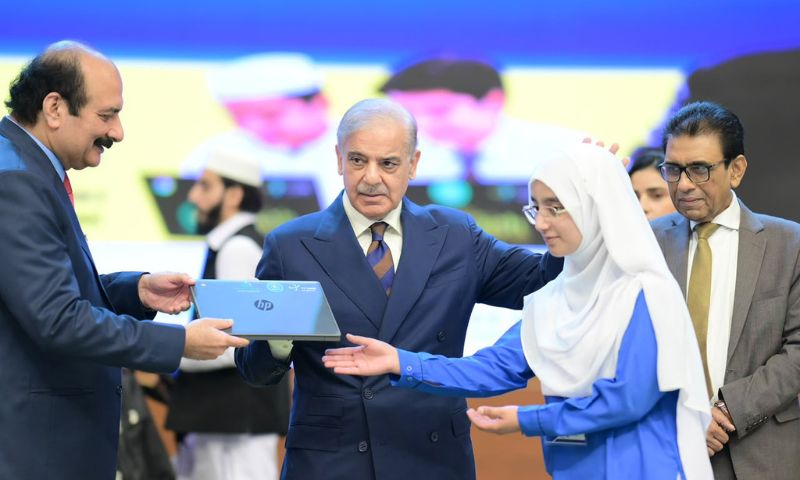
He recalled that 600,000 laptops had been distributed to students during previous Pakistan Muslim League-Nawaz governments over a period of about 10 years. The new initiative aims to deliver 500,000 Chromebooks within two years.
Private Support
The prime minister thanked Rashid Minhas, chairman of the Tokyo Technology Care Foundation, for supporting the initiative. The foundation has signed an agreement with the government to provide Chromebooks to students.
Mr Sharif said the contribution reflected overseas Pakistanis’ confidence in the country’s young people and their potential.
Two students were highlighted at the ceremony as examples of young people pursuing education despite difficult circumstances. Syed Shams Raza, from the former Federally Administered Tribal Areas, spoke about his life after his father was killed. Mahak Sabir, a student at a religious seminary from Gilgit-Baltistan, also addressed the gathering.
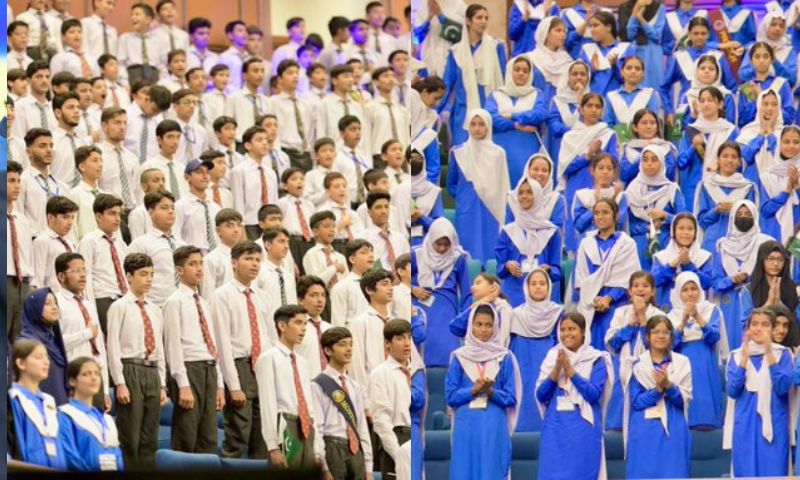 Both thanked the government for including seminary students in the scheme, saying access to digital tools could help them combine religious studies with wider educational opportunities.
Daanish Schools
Mr Sharif also pointed to the government’s efforts to expand the Daanish Schools network, saying 27 schools were under construction across the country.
He said the institutions would provide quality education alongside facilities including smart boards, electronic libraries, sports grounds, accommodation and meals at no cost to students.
Federal Education Minister Khalid Maqbool Siddiqui said Pakistan needed to invest further in education to prepare its young population for changing global demands.
The Chromebook scheme forms part of the government’s wider effort to expand access to technology and education.