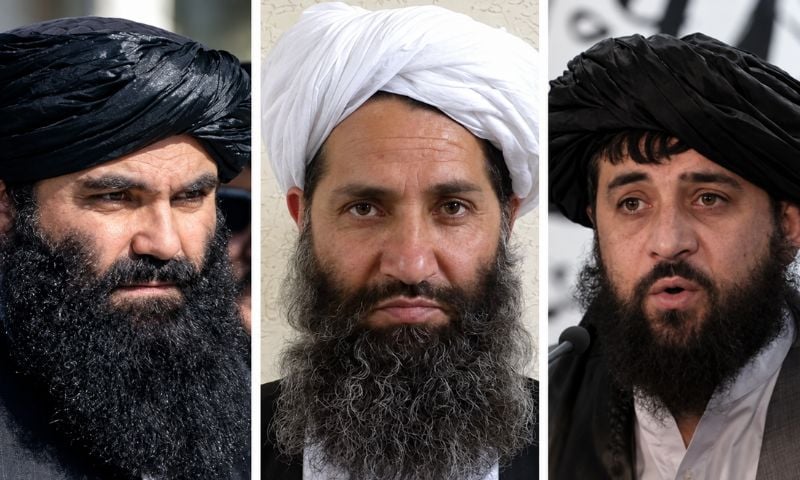
ISLAMABAD: Deepening differences between Afghanistan’s Taliban leadership in Kandahar and powerful figures based in Kabul are raising questions about the movement’s internal unity, as disagreements over governance, foreign relations and the concentration of power continue to surface.
At the centre of the dispute is Supreme Leader Mullah Hibatullah Akhundzada, who has consolidated authority around his base in Kandahar, and a group of influential Taliban officials in Kabul who favour a more pragmatic approach to governing the country and dealing with the outside world.
Recent intelligence assessments have also alleged that Akhundzada’s faction is considering action against Interior Minister Sirajuddin Haqqani because of his opposition to some of Kandahar’s policies.
According to the assessments, Haqqani became aware of a possible plan against him and warned that his arrest could have serious consequences for the Taliban leadership.
Senior figures, including intelligence chief Abdul Haq Wasiq, Mullah Taj Mir Jawad and Sadr Ibrahim, were also concerned that an open confrontation could destabilise the Taliban government.
Kandahar Versus Kabul
Sources in the Afghan Taliban said the tensions reflect a broader divide that has emerged since the Taliban returned to power in August 2021.
Akhundzada has largely remained in Kandahar, while Kabul serves as the seat of government. Sources describe the divide as a struggle between a hard-line Kandahar camp loyal to the supreme leader and a Kabul-based group seeking greater engagement with the international community.
The Kandahar faction supports Akhundzada’s increasingly centralised authority and a strict interpretation of Islamic law.
The Kabul group, meanwhile, includes influential figures such as Deputy Prime Minister Abdul Ghani Baradar, Sirajuddin Haqqani and Defence Minister Mohammad Yaqoob Mujahid.
They are not regarded as moderate, but are generally seen as more pragmatic on economic issues, international engagement and some aspects of social policy.
Concentration Of Power
Since taking overall control of the Taliban, Akhundzada has strengthened his position by placing trusted loyalists in key security, religious and government institutions.
Several Taliban officials based in Kabul have increasingly complained that major decisions are being taken in Kandahar without sufficient consultation with government ministers.
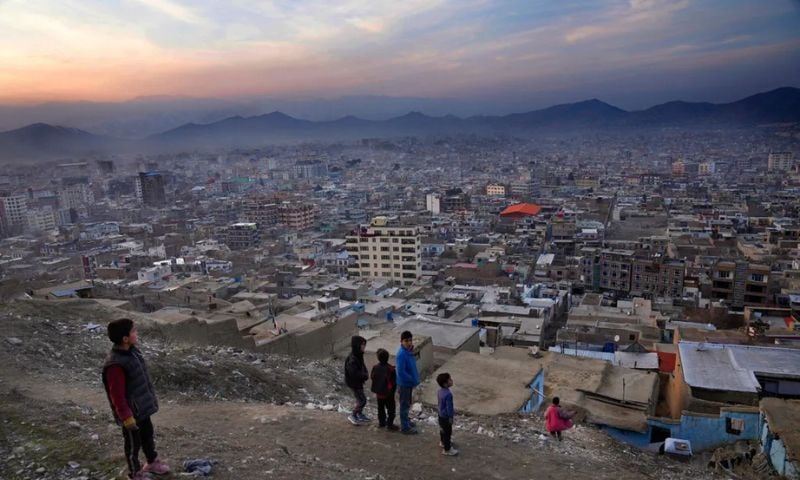
The issue has become particularly sensitive over restrictions on women and girls, the Taliban’s engagement with foreign governments and the administration of the economy.
A United Nations monitoring assessment has previously pointed to Akhundzada’s growing control over security structures and the concentration of authority around Kandahar.
Taliban spokesman Zabihullah Mujahid has repeatedly rejected claims of a serious internal split, describing differences among officials as disagreements within a family while insisting that the movement remains united.
Restrictions on Mobile — disagreements over communications
The growing divide within the Taliban leadership has also become visible through disagreements over communications and the use of modern technology.
Akhundzada has long taken a restrictive position on the use of smartphones and the internet. Restrictions on mobile-phone use in government offices, along with warnings against excessive use of smartphones and WhatsApp, have added to tensions among officials who argue that modern communications are essential for running the state.
The restrictions have reportedly included discouraging or limiting mobile-phone use by government officials and raising concerns over the widespread use of WhatsApp for official and personal communication.
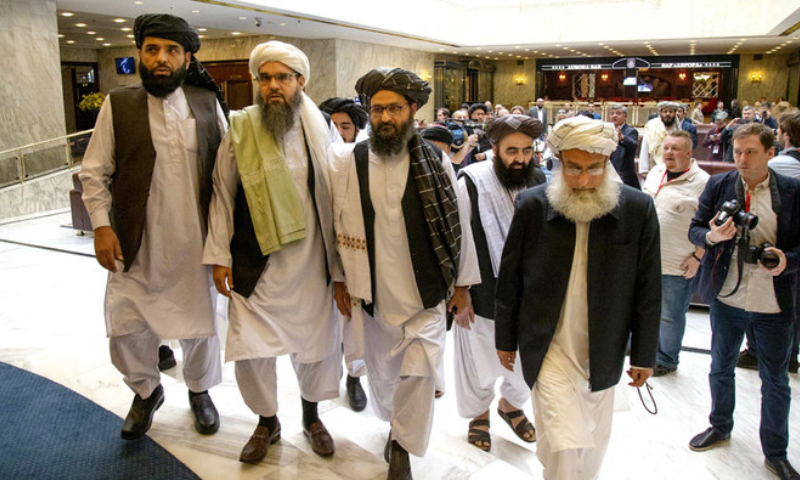
The dispute reflects a wider difference in approach between Kandahar’s hard-line leadership and Kabul-based officials, who see modern communications as necessary for government administration, economic activity and engagement with the outside world.
The disagreements over internet access, mobile phones and WhatsApp are therefore part of a broader struggle over how Afghanistan should be governed and how far the Taliban leadership should engage with modern technology.
For the Kabul camp, excessive restrictions risk weakening government efficiency and isolating Afghanistan further. For Akhundzada’s supporters, tighter controls are part of maintaining religious and ideological discipline within the Islamic Emirate
Haqqani’s Position
Sirajuddin Haqqani occupies a particularly sensitive position within the Taliban hierarchy.
The Haqqani network has long been one of the movement’s most powerful military factions, and Haqqani became interior minister after the Taliban seized power.
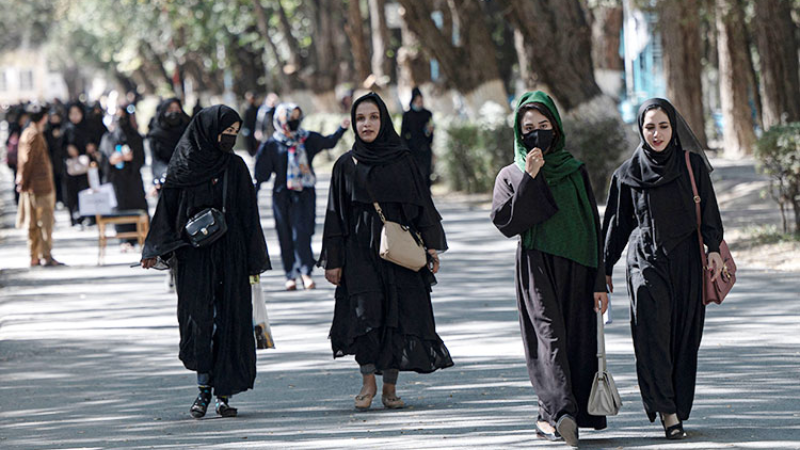
His public criticism of aspects of the Taliban leadership has added to speculation about tensions with Akhundzada.
At the same time, Haqqani has publicly stressed the importance of maintaining Taliban unity and avoiding an internal confrontation that could destabilise Afghanistan.
The latest intelligence claims about a possible move against him therefore carry significance.
What The Rift Means For Afghanistan
The Taliban’s rule has been marked by severe restrictions on girls’ education, women’s employment and their participation in public life. Critics argue that the leadership has increasingly used religious authority as a shield for policies that have isolated Afghanistan and curtailed the rights and freedoms of millions of Afghans.
The growing rivalry between Kandahar’s hard-line leadership and Kabul-based officials also raises questions about whether the Taliban’s internal disagreements will lead to any meaningful change in these policies or merely become another struggle over who controls the machinery of power.
While the leadership continues to defend its policies in the name of religion, the consequences are increasingly visible in Afghanistan’s social, economic and international isolation.
The central question is no longer simply whether the Taliban can maintain unity, but whether its leadership can address the mounting costs of policies imposed in the name of religious rule while denying millions of Afghans, particularly women and girls, opportunities in education, employment and public life.