Key Points
- Qatar urges return to diplomacy and negotiations
- Doha coordinates with China and regional partners
- Hormuz reopening remains an immediate priority
- Qatar says Iranian strikes hit civilian facilities
ISLAMABAD: Qatar has warned against allowing the Middle East’s prolonged “no war, no peace” situation to become normal, saying continued instability is draining countries’ economic and development resources and increasingly affecting global trade and supply chains.
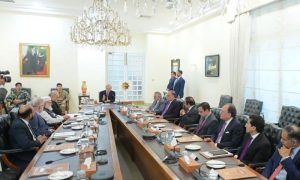
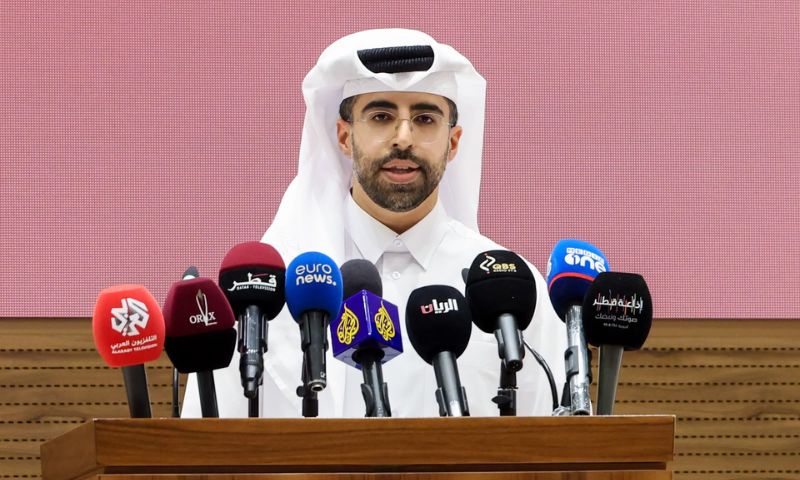
The warning came from Qatar Foreign Ministry Director of Media and Communications Ibrahim bin Sultan Al Hashmi during the ministry’s weekly briefing.
He said Doha was working with regional and international partners, including China, to revive negotiations and create conditions for renewed diplomatic engagement.
According to the Minister, Doha’s diplomatic efforts aim to develop practical, balanced proposals that could address all parties’ concerns and create conditions for sustainable solutions.
He stressed that mediation could only succeed if the mediating parties have sufficient political will to bear the burden of mediation.
“Returning to the dialogue table” and using peaceful means remained the only way to prevent further escalation and attrition.
READ ALSO: Qatar Urges US, Iran to Resume Talks Under Islamabad MoU Framework
Qatar’s assertions surface amid renewed regional tensions that have heightened concerns over energy supplies and maritime trade.
Oil prices approached $100 a barrel on Tuesday as attacks involving Iran, the United States and their regional allies intensified. Shipping traffic through the Strait of Hormuz also declined at the start of the week, according to shipping data.
Al Hashmi said the immediate and unconditional reopening of the Strait of Hormuz was a top priority for Qatar and countries across the region because of its importance to global trade, energy supplies and international economies.
Qatar-China talks
Qatar’s prime minister and foreign minister, Sheikh Mohammed bin Abdulrahman Al-Thani, discussed the issue with Chinese Foreign Minister Wang Yi in Beijing on Tuesday, with both sides stressing the need to protect freedom of navigation through the strait.
Responding to claims by Iran that its strikes had been limited to US military facilities, Al Hashmi said Doha had submitted hundreds of official communications to the United Nations Security Council and General Assembly documenting Iranian attacks.
He said the correspondence recorded strikes that directly hit civilian and economic facilities inside Qatar and constituted an official record before the international community.
Al Hashmi said Doha would nevertheless maintain a “balanced and responsible” diplomatic approach, arguing that the current circumstances required dialogue, restraint and joint efforts rather than an exchange of accusations.
The Director also rejected Israeli characterisations of the country as a “hostile state”, with Al Hashmi defending Doha’s role as a mediator and humanitarian partner.
Doha would continue its diplomatic efforts despite what he described as political and media campaigns against the country.
The Iran war began on February 28, 2026, when Israel and the United States launched coordinated strikes on Iran, targeting its top leadership, nuclear, military and missile infrastructure. Since the very first strike killed its top leadership, including the country’s supreme leader, Iran retaliated with missile and drone attacks against Israel and US military positions across the region.
The conflict eventually widened to the entire Arabian Gulf region and threatened the Strait of Hormuz.
After nearly four months of intermittent fighting, a Pakistan-mediated ceasefire and a US-Iran Islamabad memorandum of understanding in June produced a temporary lull and opened a 60-day window for negotiations.
The arrangement envisaged progress on nuclear issues, sanctions relief and reopening Hormuz, but disagreements over the waterway and the scope of a long-term settlement prevented a lasting agreement.
The 60-day framework expired in August, and diplomacy was paralysed as military tensions gradually returned. By early September, US and Iranian forces had resumed tit-for-tat attacks around Hormuz, pushing oil prices sharply higher and renewing fears of a lingering regional confrontation.