NEW DELHI: Thousands of food products and businesses across India have failed safety and quality checks, as regulators intensify inspections amid growing concern over hygiene, adulteration and misleading labelling.
Government data shows Indian food inspectors have tested more than 100,000 samples annually since 2020, with roughly one in five found to be unsafe, substandard or lacking proper labels.
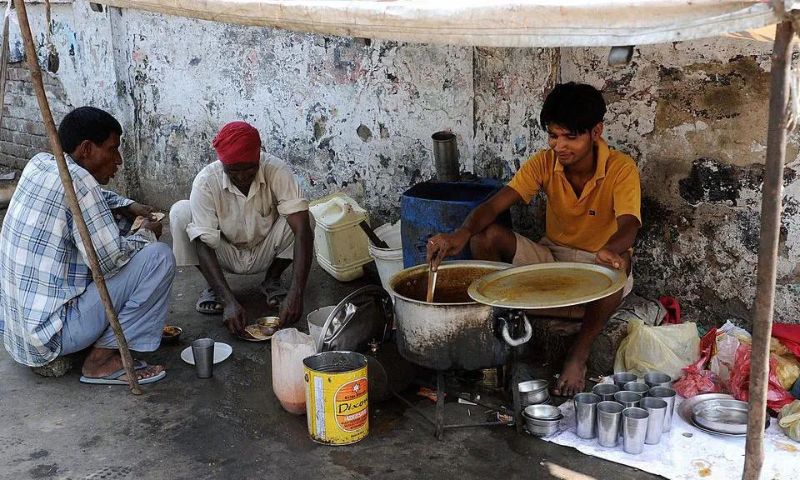
Nearly 8,000 food business licences have been cancelled over the past three years, highlighting the scale of regulatory violations across the world’s most populous country.
“In a country of 1.4 billion people consuming nearly 1.5 trillion meals every year, ensuring food safety is a monumental task,” the Food Safety and Standards Authority of India (FSSAI) said.
India Intensifies Food Safety Crackdown
The FSSAI and state regulators have stepped up surprise inspections, raids and licence suspensions, frequently publishing footage of enforcement operations.
In Uttar Pradesh, inspectors recently seized 1,300 kilogrammes of adulterated paneer from an unhygienic facility.
ALSO READ: India-Born US Federal Agency’s Fifth Most-Wanted Fraudster Arrested in India
Maharashtra food commissioner Tukaram Mundhe has emerged as a prominent figure in the crackdown. His inspections have targeted outlets operated by major chains including Domino’s, Pizza Hut and McDonald’s, alongside restaurants and clubs around Mumbai.
Authorities also recently raided a warehouse where they said expiry dates and nutritional information were being falsified on products manufactured by major multinational companies for export.
Warning Labels Spark New Battle
India is simultaneously considering tougher front-of-pack warnings for its packaged food and beverage industry, worth more than $100 billion.
The FSSAI has proposed red hexagonal warnings for products exceeding prescribed levels in at least two of three categories: sugar, salt and saturated fat.
The plan faces opposition from both industry and health campaigners. Food companies argue the thresholds could result in warnings appearing on a huge proportion of packaged products.
Health activists, however, say the proposal is too weak because products high in only one concerning nutrient could escape a warning.
India’s Supreme Court is scheduled to examine the proposal on September 10 as the country’s widening food-safety crackdown puts manufacturers, restaurants and regulators under unprecedented scrutiny.