Key Points
- Iran reports 18 killed and 108 wounded
- Wedding strike raises fresh civilian casualty concerns
- Regional retaliation fuels fears of wider war
ISLAMABAD: The latest escalation in the Iran war has renewed concern over civilian casualties, with Iranian authorities reporting that 18 people were killed and 108 wounded in US strikes across the country, including four people killed at a wedding in southern Iran.
Iran’s health minister said the casualties resulted from US strikes late Tuesday, according to the Iranian state media.
The Iranian Red Crescent said four people were killed and 67 wounded when a wedding ceremony in Kuhestak, in southern Hormozgan province, was hit.
The reported strike on the wedding has become a fresh focus of international concern over the civilian impact of the conflict.
Associated Press, citing Iranian state media and a human rights group, reported that the attack struck a home where a wedding was taking place, killing two women and two children and injuring more than 60 people.
The US Central Command said it was reviewing the incident but has not confirmed a formal investigation.
The renewed fighting follows a lull since July and comes after diplomatic efforts failed to prevent the conflict from escalating again.
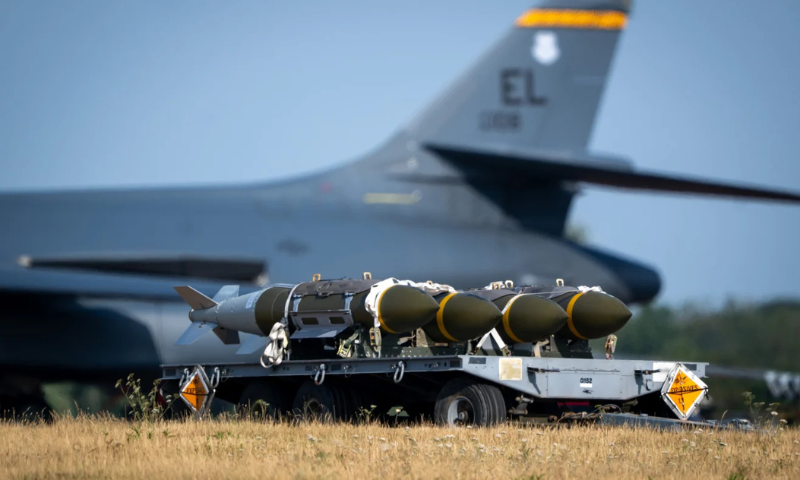
The United States has carried out fresh strikes against Iranian targets, including radar and missile systems near the Strait of Hormuz, and President Donald Trump has threatened further military action if Tehran retaliates.
Iran responded with missile and drone attacks against US-linked targets in Bahrain, Jordan, Kuwait and Iraq. Kuwait said it intercepted some of the incoming threats, adding to concerns that the conflict could widen across the region.
UN alarmed over civilian deaths
The United Nations has expressed concern over reports of civilian casualties. UN Secretary-General António Guterres has called for an immediate halt to hostilities and stressed the obligation of all parties to protect civilians and comply with international humanitarian law.
The latest casualties add to a much larger toll from the conflict that began in February. Human Rights Activists News Agency, a US-based rights group, has reported more than 3,600 deaths in Iran, including 1,701 civilians.
The civilian toll has emerged as one of the most contentious aspects of the war.
Earlier in the conflict, a US strike on a girls’ school in Minab killed more than 100 people, according to Iranian reports. The Pentagon has yet to release findings from its review of that incident.
READ ALSO: US Vows to ‘Sever Every Tie’ Iran Has with Outside World as ‘Fastest Way’ to End War
The renewed fighting has also raised concerns beyond the immediate humanitarian impact. Iran has restricted oil tanker traffic through the Strait of Hormuz, one of the world’s most important energy corridors, increasing uncertainty over global energy supplies.
With Washington warning of further strikes and Tehran retaliating across the region, fears are growing that the renewed confrontation could produce more civilian casualties and widen beyond Iran’s borders. The immediate challenge for international diplomacy is to contain the escalation before the civilian toll rises further.
The current conflict stems from decades of confrontation between Iran and the United States over Tehran’s nuclear programme, sanctions and its regional alliances.
Tensions escalated sharply after the United States and Israel launched military strikes against Iran in February, prompting Tehran to retaliate against Israeli and US-linked targets across the region.
The fighting disrupted diplomacy and raised fears of a wider regional war. A temporary reduction in hostilities later offered limited respite, but negotiations failed to produce a durable agreement.
Renewed US strikes and Iranian retaliation have since reopened the conflict, increasing civilian risks and intensifying concerns over regional security, shipping and energy supplies.