Key Points
- Government consults industry stakeholders on transition to daily petroleum pricing.
- Daily pricing replaces existing weekly fuel price adjustment system.
- Reform approved by federal cabinet on Prime Minister’s directive.
- SOPs being developed with industry for smooth implementation.
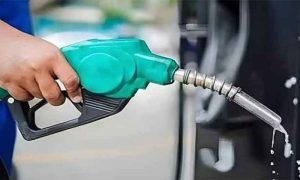
ISLAMABAD: Pakistan’s government on Saturday stepped up preparations for the rollout of Pakistan’s new daily petroleum pricing system, holding consultations with oil industry stakeholders as part of its broader plan to deregulate the country’s fuel market and reduce government intervention in price-setting.
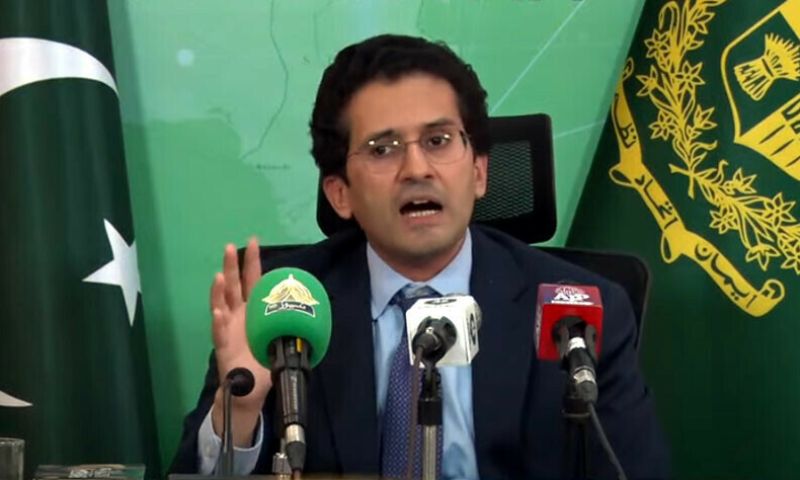
Federal Minister for Petroleum Ali Pervaiz Malik chaired a high-level meeting attended by representatives of the Oil and Gas Regulatory Authority (OGRA), Oil Companies Advisory Council (OCAC), Oil Marketing Association of Pakistan (OMAP), refineries, oil marketing companies (OMCs), and senior officials of the Petroleum Division.
The meeting focused on the transition from the existing weekly petroleum price adjustment mechanism to a daily pricing regime. Participants discussed implementation challenges, operational preparedness and technical issues to ensure a smooth rollout of the new system.
According to the Petroleum Division, the proposed reform forms part of the government’s phased deregulation strategy aimed at introducing a transparent, rules-based petroleum pricing framework driven by market fundamentals rather than administrative decisions.
Towards deregulation
The minister told participants that the reform had been undertaken on the directive of Prime Minister Shehbaz Sharif and approved by the federal cabinet.
Under the new mechanism, retail petroleum prices will be calculated through a formula-based system reflecting market conditions. Officials said the move is intended to shield consumers from price distortions linked to political considerations while encouraging greater competition in the petroleum sector.
Malik described the daily pricing regime as a major shift towards a market-driven economy, saying it would eliminate reliance on weekly price announcements and mandatory government approvals, thereby reducing opportunities for market manipulation and windfall gains.
Officials also said the daily pricing model would bring greater transparency and align domestic petroleum pricing with changing market conditions, similar to the way exchange rates fluctuate.
Technical preparations
The meeting was informed that the Petroleum Division, in consultation with OGRA and industry representatives, is preparing detailed standard operating procedures (SOPs) to facilitate the transition.
Officials said technical matters, including the Inland Freight Equalisation Margin (IFEM), refinery adjustments and true-up mechanisms, are being finalised through consultations with stakeholders.
OGRA told the meeting it had begun upgrading its internal systems and data dissemination processes to support the new pricing regime. The regulator also committed to publishing daily petroleum price information to improve public access and transparency.
Participants also reviewed operational issues, including fuel supply logistics, inventory management and the availability of real-time market data. The government assured industry representatives that operational challenges would be addressed through continued engagement.
Industry feedback
Representatives of OCAC, OMAP, refineries and OMCs welcomed the government’s move towards daily petroleum pricing but raised operational concerns regarding implementation.
The petroleum minister assured stakeholders that their concerns would be addressed through continuous consultations before the new mechanism is fully implemented.
He also directed the Petroleum Division and OGRA to hold follow-up meetings with industry representatives to refine the pricing formula, resolve remaining technical issues and ensure the successful rollout of the daily petroleum pricing system.
A dedicated committee has also been constituted to oversee the transition process and resolve implementation issues through consensus.