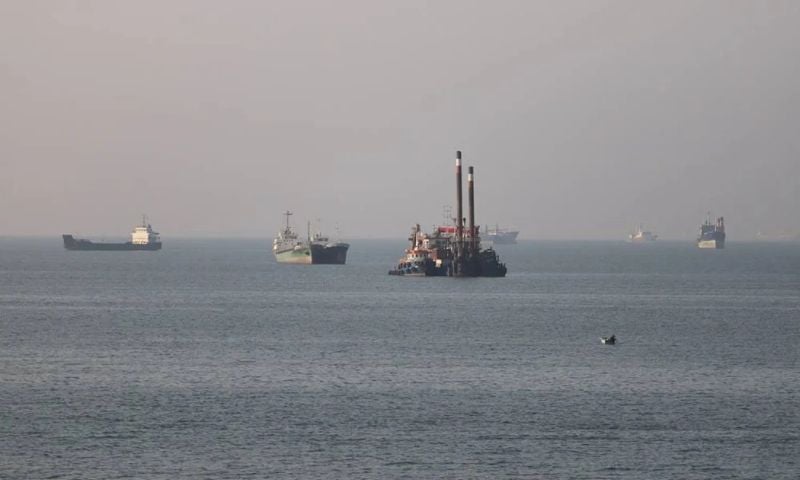



WASHINGTON: US Energy Secretary Chris Wright said on Tuesday that oil exports through the Strait of Hormuz are rising “very meaningfully” despite ongoing tensions in the region.
Speaking at an Atlantic Council conference, Wright said energy flows through the strategic waterway were improving compared with previous weeks.
“I would say rising very meaningfully,” Wright said when asked about vessel movement through the Strait of Hormuz. He added that oil exports through the strait and the wider Gulf “will continue to rise”.
Wright said it would take “many months” for energy markets and related supply chains to return to normal even after a lasting peace is reached.
“It’s many months to get back to normal flows of energy,” he said, noting that disruptions extend beyond oil and gas to include critical materials such as sulphur, helium and lubricants.
He added that the global economy had shown resilience despite the disruption.
“We’ve seen how robust a modern economy is,” Wright said, adding that impacts had been “much more modest than was expected”.
Global Brent crude prices fell more than 3% on Tuesday to $91.34 a barrel after Iran and Israel halted strikes following an appeal from US President Donald Trump, according to market data cited by media reports.
Wright said oil prices had not risen more sharply during the conflict, partly because global inventories, particularly in China, were higher than expected.
He said China’s oil imports fell by around 4 million barrels per day in May as inventories were drawn down, though he said this did not reflect demand destruction driven by prices.
The Strait of Hormuz, one of the world’s most critical energy chokepoints, normally carries around one-fifth of global oil and liquefied natural gas shipments.
Vessel movements through the strait were significantly disrupted following US and Israeli strikes on Iran in late February, which escalated tensions in the region.
Disruptions to energy flows have contributed to volatility in global energy prices, affecting economies worldwide and creating political pressure in the United States ahead of upcoming elections.
Washington has been pressing for a peace agreement with Tehran that would include a full reopening of the Strait of Hormuz.
Iran has continued to restrict most shipping through the waterway, which it has used as leverage during the ongoing confrontation with Israel and the United States.
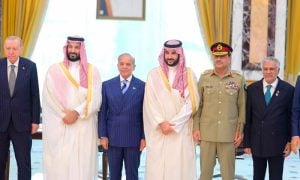
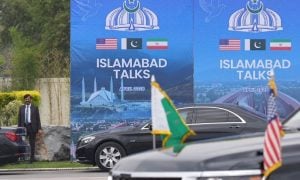
A ceasefire took effect on April 8 through Pakistani mediation, but subsequent talks failed to produce a final agreement. The truce was later extended by President Trump without a fixed deadline.
The US Energy Information Administration (EIA) does not expect traffic through the Strait of Hormuz to return to pre-war levels until early 2027.
Oil markets also reacted to the latest developments, with Brent futures falling about 3.6% to $90.85 a barrel and US West Texas Intermediate crude declining 4.1% to $87.59.