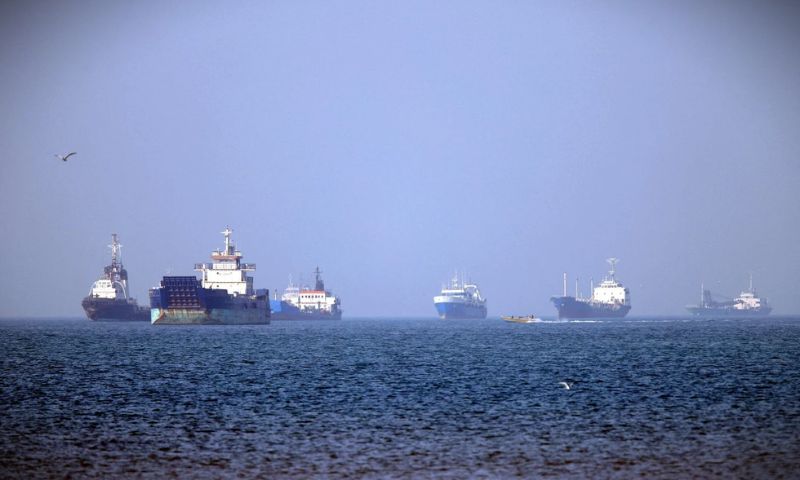
TEHRAN: Iran has warned that vessels belonging to countries complying with United States sanctions against Tehran could face difficulties while transiting the strategically important Strait of Hormuz, amid ongoing tensions in the Gulf region.
According to Iran’s semi-official Tasnim news agency, Iranian Army spokesperson Brigadier General Mohammad Akraminia said on Sunday that vessels belonging to states complying with US sanctions against Iran would “certainly face difficulties” while passing through the narrow maritime corridor.
The statement comes as tensions remain elevated following months of military confrontation involving Iran, the United States and Israel.
Akraminia claimed that Iran had successfully resisted pressure from its adversaries, stating that “none of the enemy’s objectives were achieved” and that the country’s political system had remained stable despite the conflict and sanctions campaign.
The Strait of Hormuz, located between Iran and Oman, is regarded as one of the world’s most important oil shipping routes, with a significant portion of global energy supplies passing through the waterway every day. Any disruption in the strait is closely monitored by international markets and regional governments.
Iranian lawmakers are also reportedly preparing draft legislation aimed at formalising Tehran’s control and management measures in the Strait of Hormuz.
According to local reports, the proposed bill includes provisions that could restrict or deny passage to vessels linked to what Iran describes as “hostile states”.
Regional instability intensified after the United States and Israel launched strikes on Iranian targets on February 28, prompting retaliatory action from Tehran against Israeli interests and American allies in the Gulf region. The confrontation also contributed to disruptions in maritime traffic around the Strait of Hormuz.
A ceasefire brokered through Pakistani mediation came into effect on April 8, temporarily easing hostilities. However, subsequent negotiations held in Islamabad were unable to produce a permanent settlement between the opposing sides.
US President Donald Trump later announced an extension of the truce without specifying a deadline, while diplomatic efforts towards a broader agreement continue.
Meanwhile, Washington has maintained pressure on Tehran through maritime measures in the Gulf. Since April 13, the United States has enforced what Iranian officials describe as a naval blockade targeting Iranian shipping activity in and around the Strait of Hormuz.
Earlier this week, President Trump stated that the US military would temporarily suspend “Project Freedom”, an operation intended to ensure unrestricted commercial navigation through the strategic waterway. Despite the pause, he stressed that the American blockade would remain “in full force and effect”.
The latest warning from Tehran is expected to further raise concerns over maritime security and the stability of global energy supplies, particularly as diplomatic efforts to reduce tensions in the region remain uncertain.